Travel / Explore India / North India / Climate & seasons
North India · Planning
Climate & seasons
North India does not have one climate or one best season. Weather depends on altitude, season and where you are, from the cold deserts of Ladakh to the river plains and the Thar. Use this as a broad guide, then check current forecasts before you travel.
Three broad climates
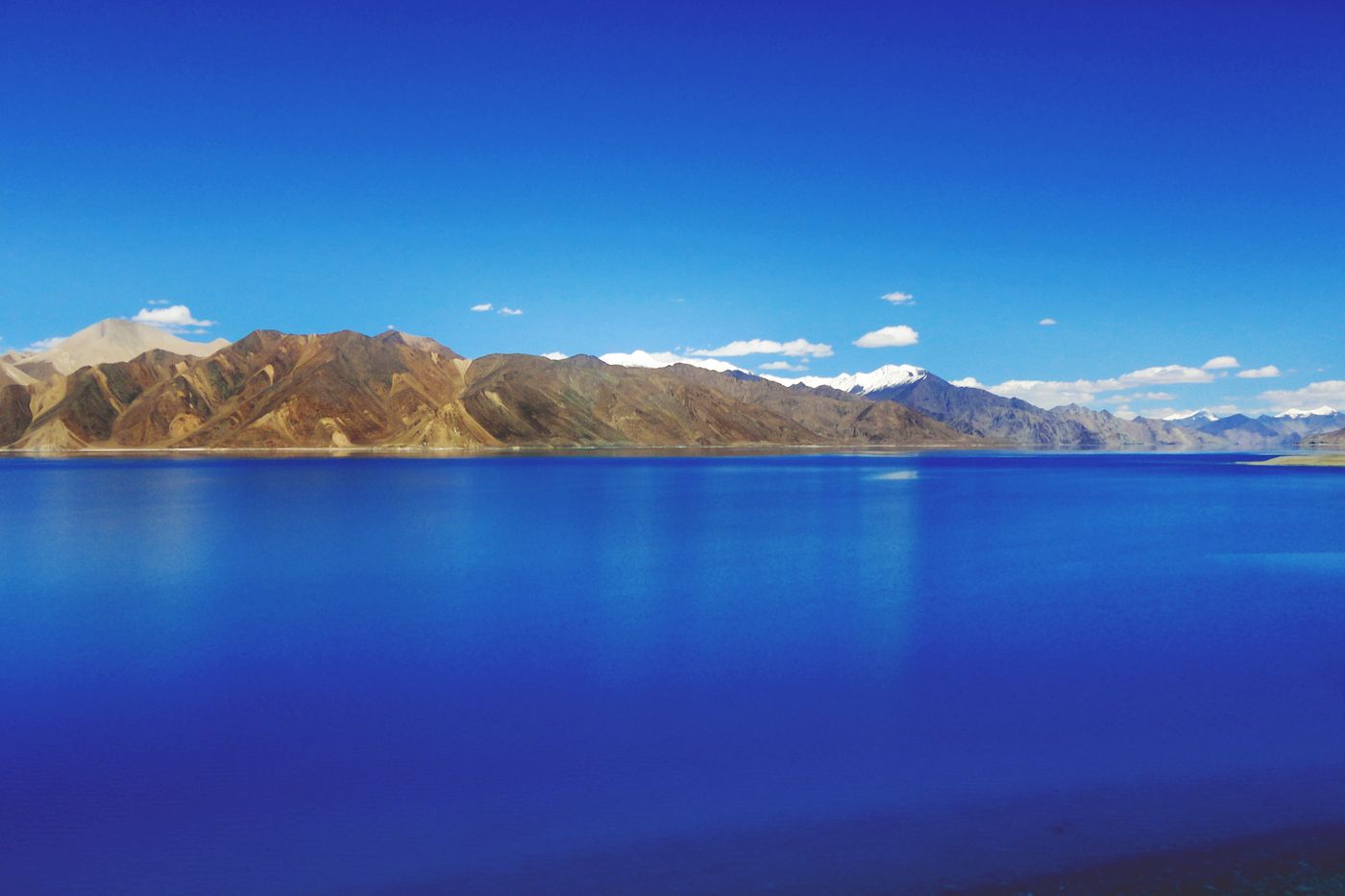
Himalayan mountain regions
Ladakh, the Kashmir Valley and the hill districts of Himachal Pradesh and Uttarakhand. Temperature falls with altitude, so a single trip can move from mild valley afternoons to freezing nights on a pass.
Ladakh is a cold, dry, high-altitude desert with severe winters. The Kashmir Valley has snowy winters and warm summers. In Himachal and Uttarakhand the monsoon, roughly July to September, brings the heaviest rain of the year, and mountain roads can close after landslides.
Usually most comfortable: Ladakh from about June to September; the Kashmir Valley in spring and autumn, or in winter for snow; Himachal and Uttarakhand outside the peak monsoon. High passes close for winter, so check road status first.
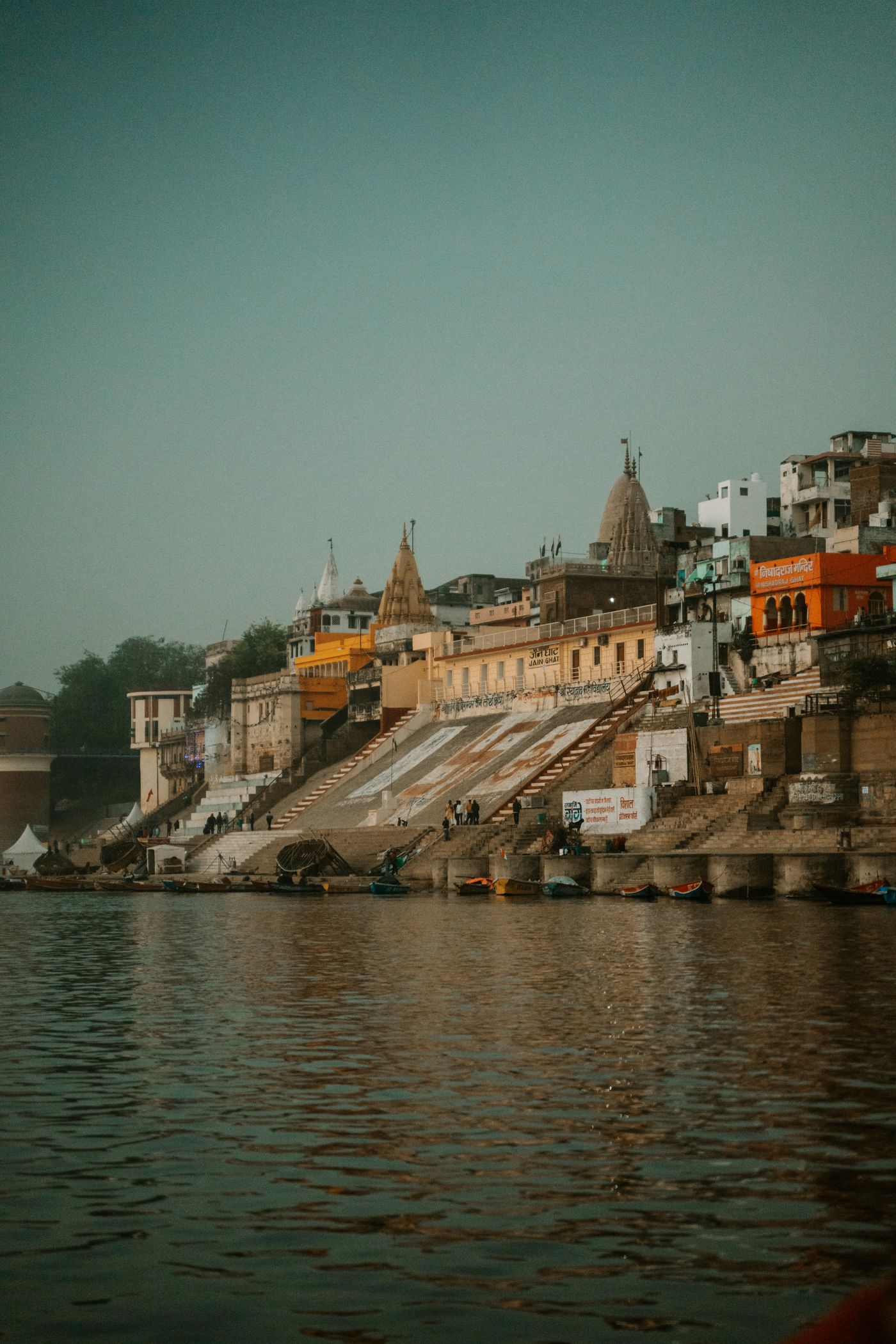
Northern plains and cities
Delhi, Punjab, Haryana, Chandigarh and Uttar Pradesh. Summers are long and hot: in New Delhi, average May highs are close to 40 °C.
The monsoon usually arrives in late June and lasts into September. Winters are cool and dry, with chilly nights, and dense fog in December and January can delay trains, flights and road travel.
Usually most comfortable: October to March, allowing for winter fog; avoid the heat of May and June if you can.
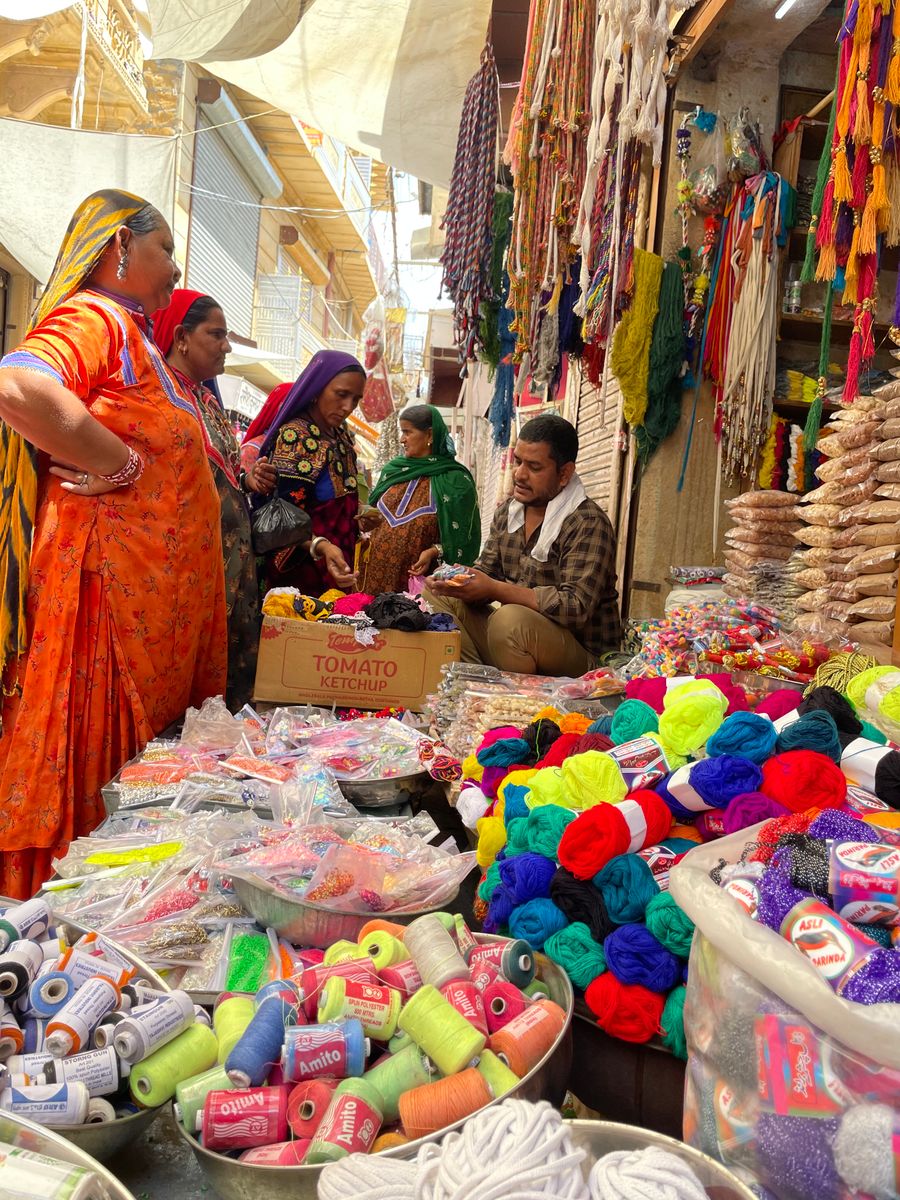
Rajasthan’s desert and semi-arid regions
Western Rajasthan lies in the Thar Desert and receives very little rain; Jaisalmer averages roughly 250 mm a year. The east of the state is semi-arid and somewhat wetter.
Summers are extreme, with average May highs above 40 °C in Jaisalmer. Winter days are warm and sunny, but desert nights can be cold.
Usually most comfortable: October to March, with warm layers for winter evenings in the desert.
At a glance
Average temperatures at five places show how far apart the regions are, especially in January.
| Place | Setting | January (avg high / low) | Hottest month (avg high / low) |
|---|---|---|---|
| Leh, Ladakh | High-altitude cold desert, about 3,500 m | 1.5 °C / −13.1 °C | July: 28.5 °C / 15.9 °C |
| Srinagar, Kashmir Valley | Himalayan valley, about 1,585 m | 7.1 °C / −1.9 °C | July: 30.0 °C / 18.4 °C |
| Shimla, Himachal Pradesh | Hill town, about 2,200 m | 9.3 °C / 1.7 °C | June: 23.8 °C / 15.1 °C |
| New Delhi | Northern plains | 20.1 °C / 7.5 °C | May: 39.9 °C / 25.8 °C |
| Jaisalmer, Rajasthan | Thar Desert | 23.4 °C / 9.3 °C | May: 42.1 °C / 26.5 °C |
Before you set dates
- Check the India Meteorological Department for current forecasts and warnings.
- For mountain trips, confirm road and pass openings close to your dates; regional guides note the main routes.
- Allow time to acclimatise at altitude, especially in Ladakh.
- Pair regions that suit the same season rather than crossing all of North India in one trip.
Sources · Station averages: climate tables for Leh, Srinagar, Shimla, New Delhi (Safdarjung) and Jaisalmer, which compile India Meteorological Department normals; checked 22 October 2026. Forecasts: mausam.imd.gov.in. Photography via Pexels: Avinash Patel (Pangong), Stijn Dijkstra (Varanasi), sajhad (Jaisalmer).
A little something
for your inbox.
Stories, finds and inspiration, occasionally — and a note when new destination guides go live.
More life, always. © 2026 Lifelately · Privacy

