Magazine / Travel / Explore India / East India / Bihar
Bodhi leaves,
brick ruins,
the Ganges at dusk.
East India · Where the Buddha taught
Bihar
The landscape of early Buddhism, ancient universities and a long river history.
Bodh Gaya, Nalanda, Rajgir, Vaishali and Patna.
Places Buddhist sites Food & culture Plan Itineraries Before you go
Bihar, in the plains of the Ganges, is where much of early Indian history happened. The Buddha attained enlightenment at Bodh Gaya and taught at Rajgir and Vaishali; Mahavira, the 24th Jain Tirthankara, was born near Vaishali; and Pataliputra, today’s Patna, was the capital of great empires.
For travellers, the core is a compact circuit: Bodh Gaya, Rajgir and Nalanda lie within a few hours of one another, with Patna and Vaishali to the north. It suits pilgrims and history lovers alike.
First edition · Practical details last checked 31 October 2026
At a glance
Ideal length · 3–4 days for Bodh Gaya, Rajgir and Nalanda; 5–6 days to add Patna and Vaishali
Gateways · Patna and Gaya airports; Gaya and Patna railway stations
Best time · October to March; winter is also the main season for Buddhist pilgrims
Know before · Summers are very hot; the monsoon brings flooding in parts of north Bihar
On this page: Places · The Buddhist sites · Culture & food · Plan your trip · Itineraries · Safety & access · Stories · Sources
Where to go
Places in Bihar
The south of the state holds the Buddhist sites; Patna and Vaishali lie on and beyond the Ganges.
Bodh Gaya
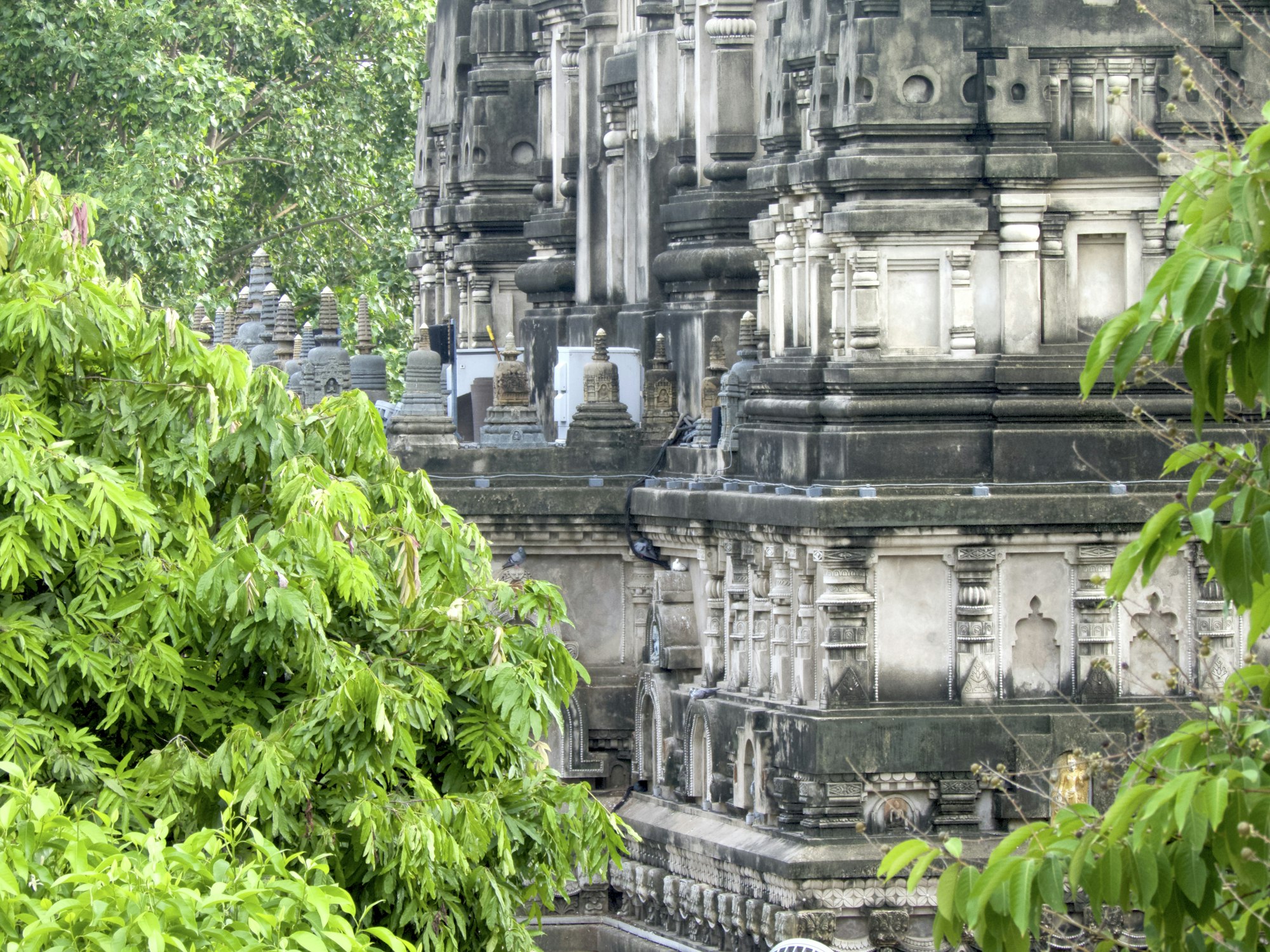
- The Mahabodhi Temple, a UNESCO World Heritage Site; the present temple dates from the late Gupta period.
- The Bodhi Tree, believed to descend from the tree under which the Buddha attained enlightenment.
- Monasteries built by Buddhist countries from across Asia. See the Buddhist sites.
Nalanda
- The excavated ruins of Nalanda Mahavihara, a monastic university that taught from the 5th to the 13th century CE; a UNESCO World Heritage Site.
- Stupas, temples and monastery blocks in red brick.
- A short drive from Rajgir.
Rajgir
- A town ringed by hills, linked with the Buddha and with Mahavira.
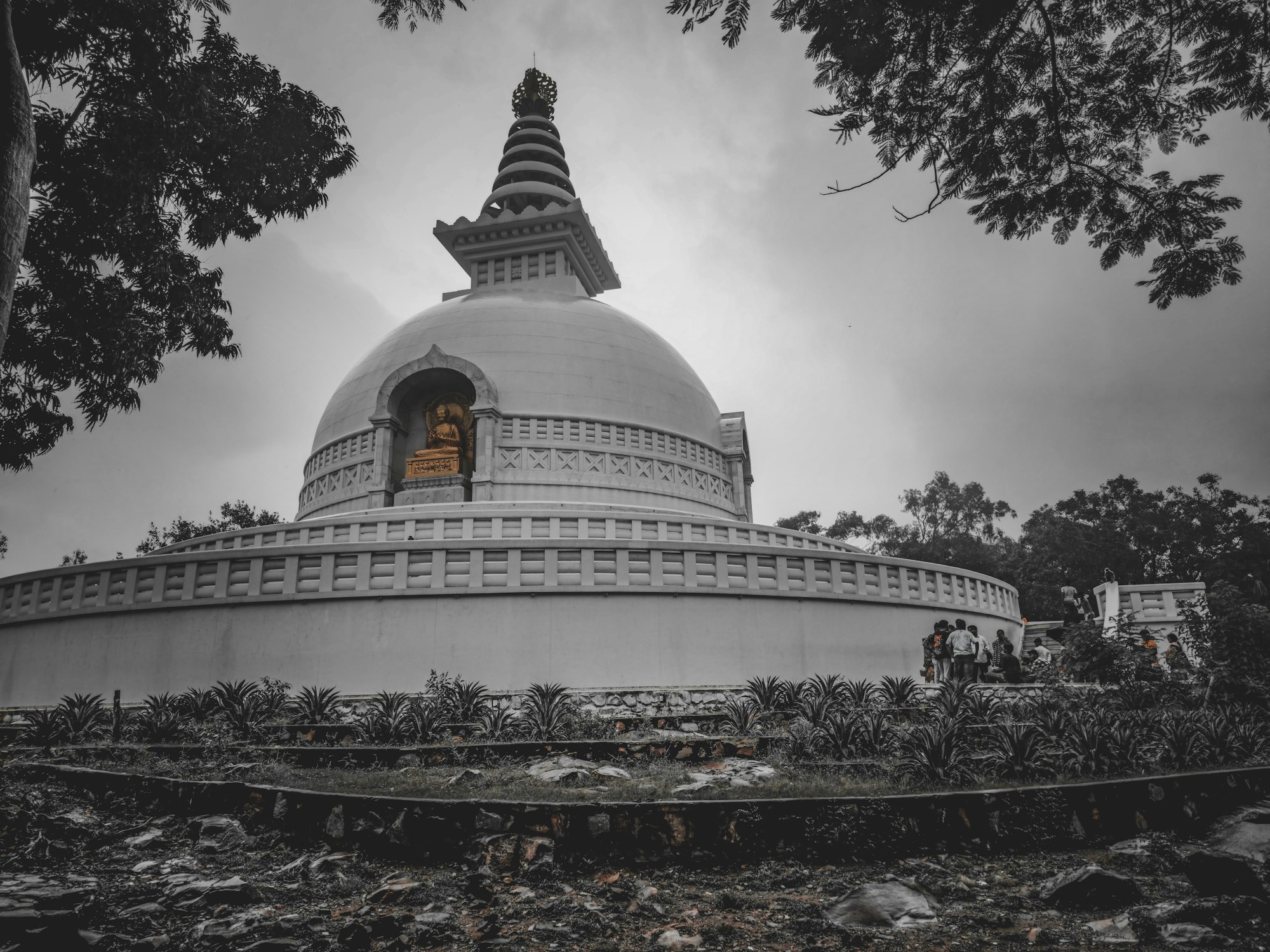
- The Vishwa Shanti Stupa, first completed in 1969, and Griddhakuta (Vulture Peak).
- Hot springs and old fortification walls.
Vaishali
- Capital of the ancient Licchavi republic.
- A polished Ashokan-era pillar with a lion capital at Kolhua, and a relic stupa.
- Where the Buddha gave his last sermon before his final journey; Mahavira was born nearby.
Patna
- The state capital on the Ganges, ancient Pataliputra.
- Takht Sri Patna Sahib, the gurdwara at the birthplace of Guru Gobind Singh.
- The Golghar granary of 1786 and the Bihar Museum.
The Buddhist sites
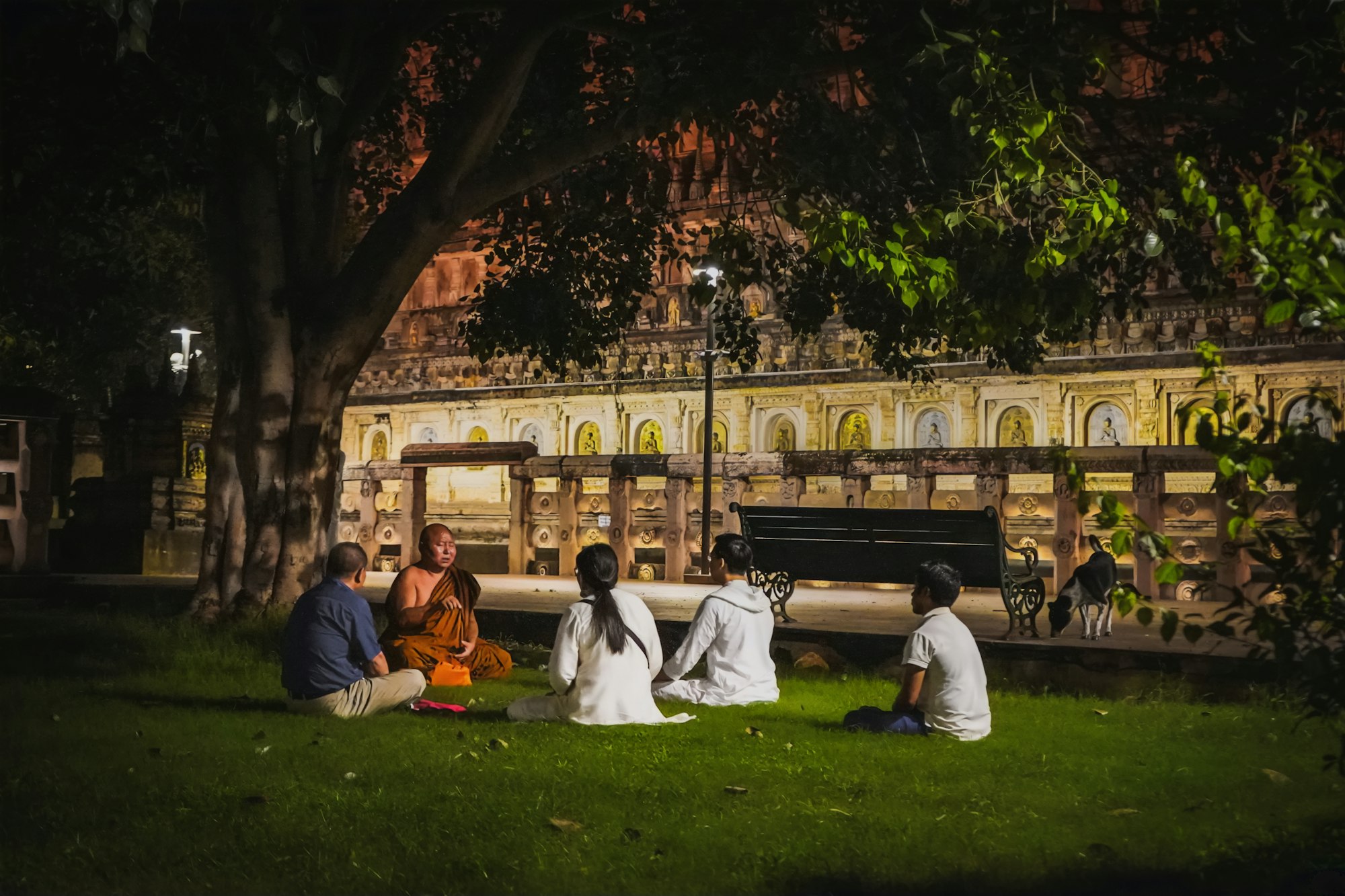
Bodh Gaya is the most important of all Buddhist pilgrimage sites. The first temple here is attributed to the emperor Ashoka in the 3rd century BCE; the present brick temple, about 50 metres high, dates from roughly the 5th or 6th century CE. Pilgrims circle the temple, meditate under the trees and leave offerings at the Bodhi Tree.
From Bodh Gaya, Rajgir and Nalanda make a natural pair: Rajgir for the hills where the Buddha spent many rainy seasons, Nalanda for the ruins of one of the world’s great centres of learning. Hire a guide at Nalanda to understand the layout.
- Dress modestly and speak quietly in the Mahabodhi compound.
- Winter is the busiest season, with large pilgrim groups from across Asia.
- Allow a full morning at Nalanda; there is little shade.
Culture & food
Food
- Litti chokha: roasted wheat balls stuffed with sattu, served with mashed aubergine, potato and tomato.
- Sattu drinks in summer; khaja and tilkut sweets.
- Simple vegetarian thalis near the pilgrim sites.
Festivals
- Chhath, Bihar’s great festival of offerings to the sun at rivers and ponds; in 2026 the main days fall in mid-November.
- Buddha Purnima in Bodh Gaya.
- The Sonepur cattle fair in November.
Crafts
- Madhubani (Mithila) painting from north Bihar.
- Bhagalpur silk.
- Sikki grass work.
Etiquette
- Walk clockwise around stupas and temples.
- Remove shoes where asked and dress modestly.
- Ask before photographing monks and pilgrims.
Plan your trip
How many days?
- 2 days: Bodh Gaya.
- 4 days: Bodh Gaya, then Rajgir and Nalanda.
- 6 days: add Patna and Vaishali.
When to go
- October to March is the most comfortable time.
- April to June is very hot.
- The monsoon, roughly June to September, brings heavy rain; parts of north Bihar flood most years.
Getting around
- Gaya is the railhead for Bodh Gaya, about 16 km away.
- Rajgir and Nalanda are best reached by road from Bodh Gaya or Patna.
- Hire a car with a driver for the full circuit.
Where to stay
- Hotels and monastery guesthouses in Bodh Gaya.
- Simple hotels in Rajgir.
- Business hotels in Patna.
Sample itineraries
Starting points, not fixed packages. Adjust for weather, crowds and current advisories.
The Buddhist circuit · 4 days
Starting point: Gaya or Patna · Style: history and pilgrimage
- Day 1 · Arrive in Gaya; evening at the Mahabodhi Temple.
- Day 2 · Bodh Gaya: the temple at dawn and the international monasteries.
- Day 3 · Drive to Rajgir: Vishwa Shanti Stupa and Griddhakuta.
- Day 4 · Nalanda ruins and museum; continue to Patna.
Limitations · Winter mornings can be foggy, which slows road journeys.
Patna and Vaishali · 2 days
Starting point: Patna · Style: add-on
- Day 1 · Patna: Golghar, the Bihar Museum and Takht Sri Patna Sahib.
- Day 2 · Day trip north across the Ganges to Vaishali.
Limitations · Allow extra time for traffic on the Ganges bridges.
Safety and current access
Last checked 31 October 2026. This is a summary, not a safety assurance.
- Heat: temperatures are very high from April to June; visit sites early in the day.
- Monsoon: flooding can disrupt roads in north Bihar between June and September.
- Fog: winter fog can delay trains and flights, especially in December and January.
- Festivals: Chhath and Buddhist festivals bring large crowds; book rooms early.
From the journal & traveller stories
Lifelately guides to Bihar, researched from official and published sources. We have not yet received a firsthand traveller story from here.
- Bodh Gaya and the Mahabodhi Temple: a guide for a first visit
- Nalanda and Rajgir: ancient ruins and the hills where the Buddha taught
Travelled here? Lifelately publishes reader stories with the writer’s approval and full credit. Share your travel story →
Official resources
- Bihar State Tourism Development Corporation.
- India Meteorological Department: forecasts, monsoon and cyclone warnings.
- GOV.UK travel advice (or your own government’s equivalent).
Sources & last checked
Time-sensitive details were checked on 31 October 2026:
- Mahabodhi Temple · UNESCO World Heritage Centre
- Nalanda Mahavihara · UNESCO World Heritage Centre
- Vishwa Shanti Stupa · Wikipedia
- Vaishali · Wikipedia
- Chhath 2026 · Drik Panchang
Background on history, culture and food is drawn from general reference sources. Spotted something out of date? Let us know.
Photography (stock images, not the author’s own): via Unsplash, under the Unsplash License: Prashanth Karnam (Mahabodhi Temple, Bodh Gaya), Sumeet Singh (Vishwa Shanti Stupa, Rajgir), Nayan Bhalotia (Meditation in the Mahabodhi Temple grounds).
A little something
for your inbox.
Stories, finds and inspiration, occasionally — and a note when new destination guides go live.
More life, always. © 2026 Lifelately · Privacy

