Home / Travel / Explore India / North India / Jammu & Kashmir / Jammu Region
Temple bells,
palace courtyards,
pine on the ridges.
Jammu & Kashmir · The southern region
Jammu
Region
Temple towns, Dogra palaces and pine ridges between the plains and the Pir Panjal.
Jammu city, Katra and Vaishno Devi, Patnitop, Bhaderwah and Kishtwar.
South of the Pir Panjal range, the Jammu region is warmer and hillier than the Kashmir Valley, with Dogra palaces, temple towns and the Vaishno Devi pilgrimage. Jammu is not just a transit stop: the region has its own history, cuisine and hill country, and makes a strong three-to-five-day trip on its own.
This guide covers the Jammu region only. For Srinagar, Gulmarg and the lakes, see the Kashmir Valley guide; for an overview of both, go back to Jammu & Kashmir.
First edition · Practical details last checked 21 October 2026
On this page: Places · Vaishno Devi · Culture & food · Plan your trip · Itineraries · Safety & access · Stories · Sources
Where to go
Places in the Jammu region
Jammu city
- The Raghunath Temple complex, Bahu Fort above the Tawi, and the Mubarak Mandi palace complex of the Dogra rulers.
- The Amar Mahal Palace museum, known for its Pahari miniature paintings.
- A good overnight stop between the plains and the Valley, and the rail and air gateway for Katra.
Katra
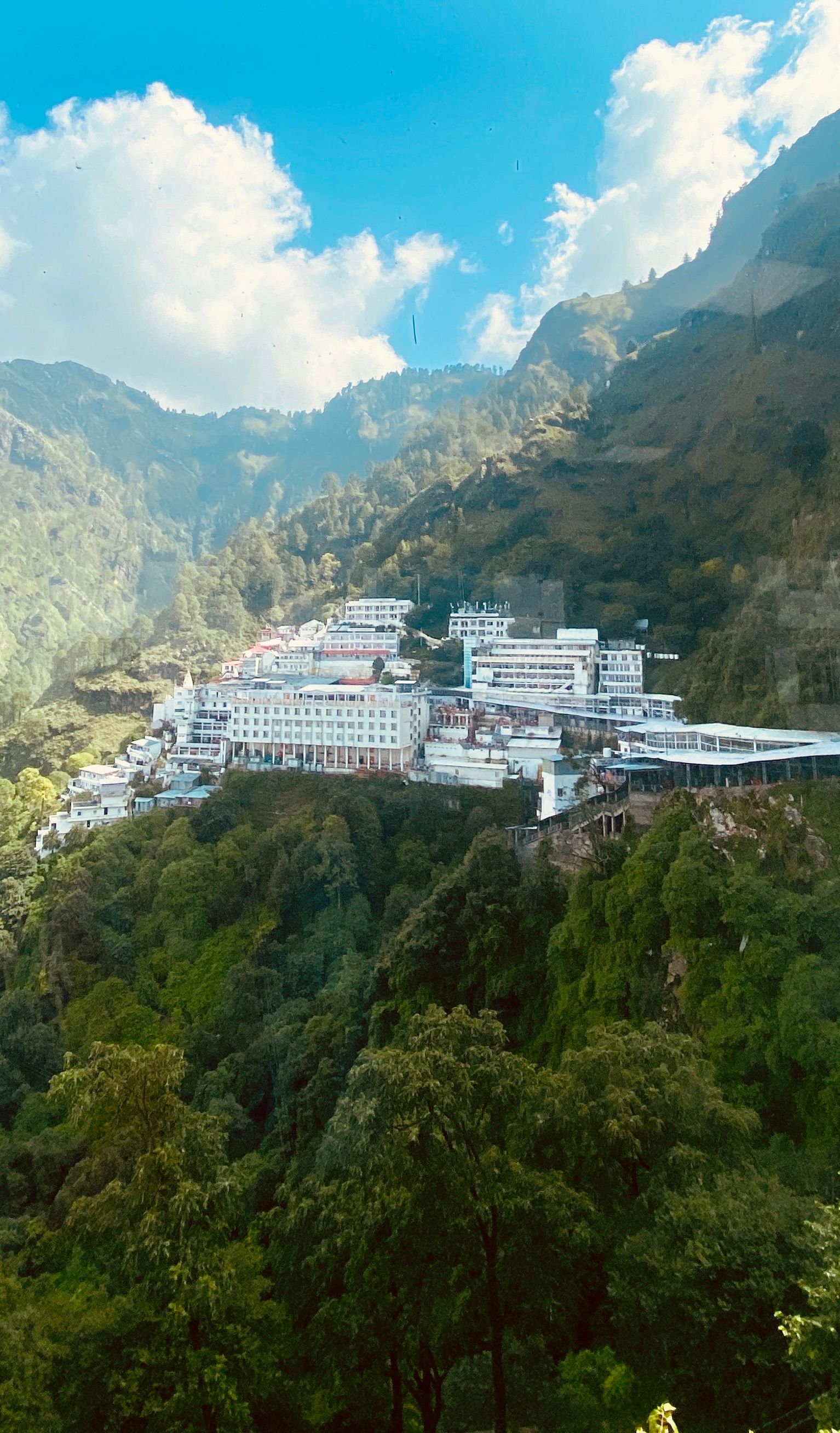
- Base town for the pilgrimage to the Mata Vaishno Devi cave shrine in the Trikuta hills. See Vaishno Devi below.
- On the Udhampur–Srinagar–Baramulla railway line.
Hills and meadows
- Patnitop, Sanasar and Nathatop: pine-forested ridges above the Jammu–Srinagar highway. The Chenani–Nashri tunnel now bypasses Patnitop, so it needs a detour.
- Bhaderwah (Doda), often called “mini Kashmir”, with meadows such as Guldanda and a reputation for rajma.
- Kishtwar: saffron, the Paddar valley and Mughal Maidan, which reopened in 2026. Plan this as its own trip.
Near Jammu
- Mansar and Surinsar lakes, an easy day out from the city.
- Shiv Khori cave shrine and Devi Pindi (Reasi). Devi Pindi reopened in 2026.
- The Chenab rail bridge near Reasi, opened in June 2025 and described as the world’s highest railway arch bridge. You see it from the Jammu–Srinagar train.
Border districts: check first
- Rajouri and Poonch: the historic Mughal Road over Peer Ki Gali (reopened in 2026), and shrines such as Buddha Amarnath.
- These districts are close to the Line of Control. Follow local advisories and avoid unplanned detours.
Vaishno Devi
- The Mata Vaishno Devi cave shrine in the Trikuta hills is reached from Katra and is open year-round.
- Pilgrims must register and carry an RFID-based Yatra Access Card, available through the Shrine Board’s online portal (SMVDSB).
- Options include walking, battery cars and helicopters for part of the route. The ropeway between Bhawan and Bhairon ji runs from 9 am to 5 pm.
- The busiest periods are Navratri, the summer holidays and New Year. Book helicopters in advance.
Culture & food
Architecture and history
- The Raghunath Temple complex and other temples of the old city.
- Dogra palaces: the Mubarak Mandi complex and Amar Mahal, now a museum known for its Pahari miniature paintings.
- Bahu Fort above the Tawi.
Food
- Try kalari, a fried local cheese, and rajma-chawal; the rajma of Bhaderwah has a particular reputation.
- Dogra dishes such as ambal and khatta meat.
Respect temple rules on dress and photography, and follow posted instructions on the yatra route.
Plan your trip
How many days?
- Two to three days covers Jammu city and the Vaishno Devi yatra.
- Four to five days lets you add the hills at Patnitop and Sanasar, or Mansar Lake and Shiv Khori.
- Bhaderwah and Kishtwar each need their own trip of several days.
When to go
- Jammu city lies at the edge of the plains and is hot in summer; the hill areas such as Patnitop, Sanasar and Bhaderwah are cooler and can get snow in winter.
- Vaishno Devi is open year-round. The busiest periods are Navratri, the summer holidays and New Year.
- For how the plains and mountains compare through the year, see our climate and seasons guide, and check IMD forecasts before you go.
Getting there
- Air: Jammu (IXJ) airport has domestic flights from major cities.
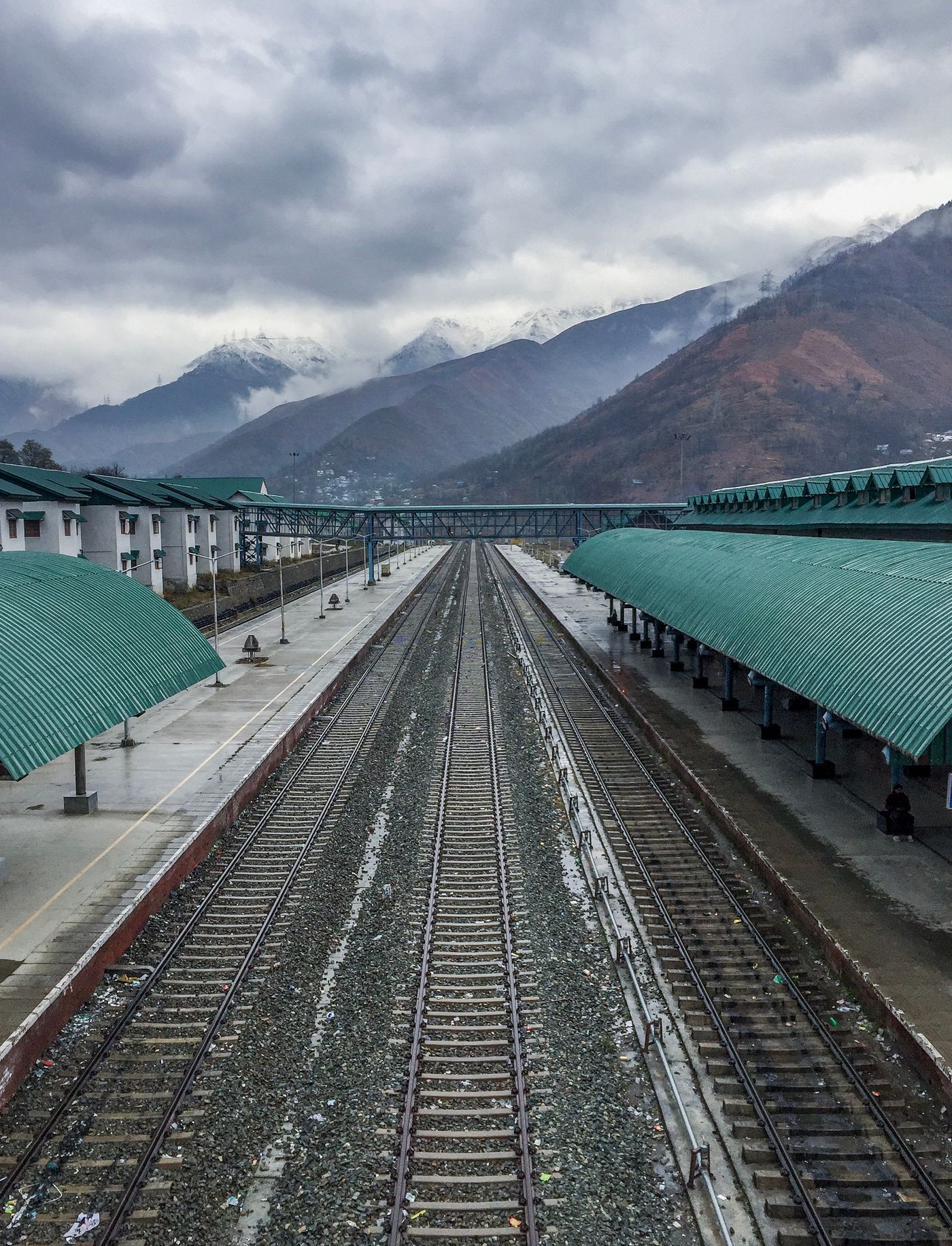
- Rail: Jammu Tawi is on the national network, and the Udhampur–Srinagar–Baramulla line continues through Katra, Banihal and on to the Valley. The Vande Bharat Express was extended to run Jammu Tawi–Katra–Banihal–Srinagar from 2026 (News On AIR, 24 Feb 2026). Check IRCTC for the current timetable.
- Road: NH44 runs north from Jammu through the Chenani–Nashri tunnel, which now bypasses Patnitop.
Getting around
- Hire a taxi in Jammu for Katra, Patnitop, Mansar or Shiv Khori, and agree the route and waiting time in advance.
- At Vaishno Devi, options include walking, battery cars and helicopters for part of the route; the ropeway between Bhawan and Bhairon ji runs from 9 am to 5 pm (SMVDSB).
- NH44 can close for snow or landslides around Ramban and Banihal, and the Mughal Road closes in winter. Check the J&K Traffic Police daily advisories before any long drive.
Budget and where to stay
- Budget: guesthouses and dharamshalas, shared cabs and buses.
- Mid-range: hotels in Jammu and Katra, private taxi for day trips.
- In Jammu, Gandhi Nagar is a common choice; in Katra, stay near the start of the route.
- We don’t quote prices because they change by season, and pilgrimage peaks push them up.
What to pack
- Summer: light, breathable clothing for the plains and a layer for the hills.
- Winter: warm layers for the hills and early mornings.
- Pilgrimage: comfortable walking shoes for the route to Bhawan, modest clothing for temples and shrines.
- All seasons: any prescription medicines, and some cash.
Check before you go
- Shrine Board registration and the RFID Yatra Access Card for Vaishno Devi.
- J&K Traffic Police road advisories.
- Your government’s travel advice and your insurance terms.
- Current district notices for hill and border areas.
Sample itineraries
Starting points, not fixed packages. Adjust for weather, crowds and current advisories.
Jammu heritage and pilgrimage · 3 days
Starting point: Jammu (air or rail) · Style: heritage plus Vaishno Devi
- Day 1 · Jammu city: Raghunath Temple, Bahu Fort, Mubarak Mandi, and the Amar Mahal museum.
- Day 2 · Katra and the Vaishno Devi yatra. Register first; many pilgrims walk overnight or stay near Bhawan.
- Day 3 · Rest, then visit Shiv Khori or the pine ridges of Patnitop and Sanasar. Or take the Vande Bharat on to Srinagar to continue into the Kashmir Valley.
Limitations · Crowds peak during Navratri and holidays. Book helicopters in advance. Patnitop is off the main highway since the tunnel opened.
Jammu, the shrine and the hills · 5 days
Starting point: Jammu (air or rail) · Style: heritage, pilgrimage and a cooler finish
- Day 1 · Jammu city: Raghunath Temple, Bahu Fort, Mubarak Mandi and the Amar Mahal museum.
- Day 2 · Katra and the Vaishno Devi yatra. Register first.
- Day 3 · Rest, then Shiv Khori or Devi Pindi in Reasi district.
- Day 4 · Up to the pine ridges of Patnitop and Sanasar, a detour from the highway since the tunnel opened.
- Day 5 · Mansar Lake on the way back to Jammu, or the train on to Srinagar.
Limitations · Crowds peak during Navratri and holidays. Hill roads can close in winter.
Continuing north? The Kashmir Valley guide has routes from Srinagar.
Safety and current access
Last checked 21 October 2026. This is a summary, not a safety assurance.
- Conditions in Jammu & Kashmir change at short notice, and the 2025–26 closures and reopenings were concentrated in the Kashmir Valley. Check district notices before visiting any hill or border area.
- The UK government currently advises against all travel to Jammu & Kashmir except flights to and travel within Jammu city (GOV.UK, checked 21 October 2026). Katra, the hills and the border districts fall outside that exception. International readers should check their own government’s advice and whether their travel insurance applies.
- Rajouri and Poonch are border districts close to the Line of Control. We list them for context but do not include them in itineraries.
- Peer Ki Gali on the Mughal Road was among the places reopened on 16 February 2026 (Business Today, 17 Feb 2026).
Traveller stories
We haven’t yet found a firsthand account of the Jammu region that we can summarise and recommend. If you have travelled here, we would like to hear from you.
Travelled here? Lifelately publishes reader stories with the writer’s approval and full credit. Share your travel story →
Official resources
- Shri Mata Vaishno Devi Shrine Board: registration, Yatra Access Card and services.
- IRCTC: Indian Railways bookings.
- India Meteorological Department: forecasts.
- GOV.UK travel advice (or your own government’s equivalent).
Sources & last checked
Time-sensitive details were checked on 21 October 2026:
- Vaishno Devi registration and ropeway · Shri Mata Vaishno Devi Shrine Board
- Jammu–Srinagar Vande Bharat · News On AIR / Northern Railway, 24 Feb 2026
- UK travel advice (Jammu & Kashmir, border areas) · GOV.UK FCDO
- Jammu & Kashmir reopenings, February 2026 · Business Today, 17 Feb 2026
Background on history, culture and food is drawn from general reference sources. Spotted something out of date? Let us know.
Photography via Pexels, used under the Pexels License (stock images, not the author’s own): mayank dixit (Vaishno Devi), Iqbal Farooz (Banihal railway station).
A little something
for your inbox.
Stories, finds and inspiration, occasionally — and a note when new destination guides go live.
More life, always. © 2026 Lifelately · Privacy

