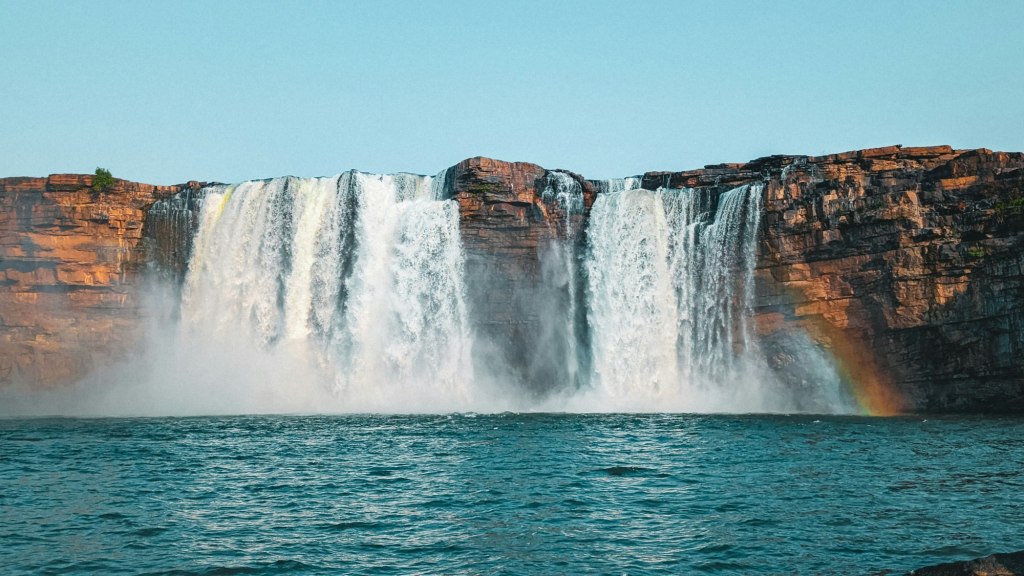
Bastar, in the far south of Chhattisgarh, is a region of sal forest, rivers and waterfalls, home to Adivasi communities including the Gond, Muria, Maria and Halba. It has long been off most travel itineraries. That is starting to change, and Jagdalpur, its main town, now has an airport.
Before you go
Bastar was for many years affected by Left-Wing Extremism. In May 2026 the Union Home Minister declared the region free of it, and the state is promoting tourism. Some foreign governments’ travel advice still asks visitors to seek local advice before travelling in affected states; read the current GOV.UK advice or your own government’s equivalent, travel with a reputable local operator, and stick to known sites and main roads.
Chitrakote Falls
About 38 kilometres west of Jagdalpur, the Indravati river drops roughly 29 metres over a broad, horseshoe-shaped cliff. At full monsoon flow Chitrakote can be close to 300 metres wide, which is why it is often called India’s Niagara. It is at its most dramatic from July to October; in the dry months from April to June the flow thins to a few streams.
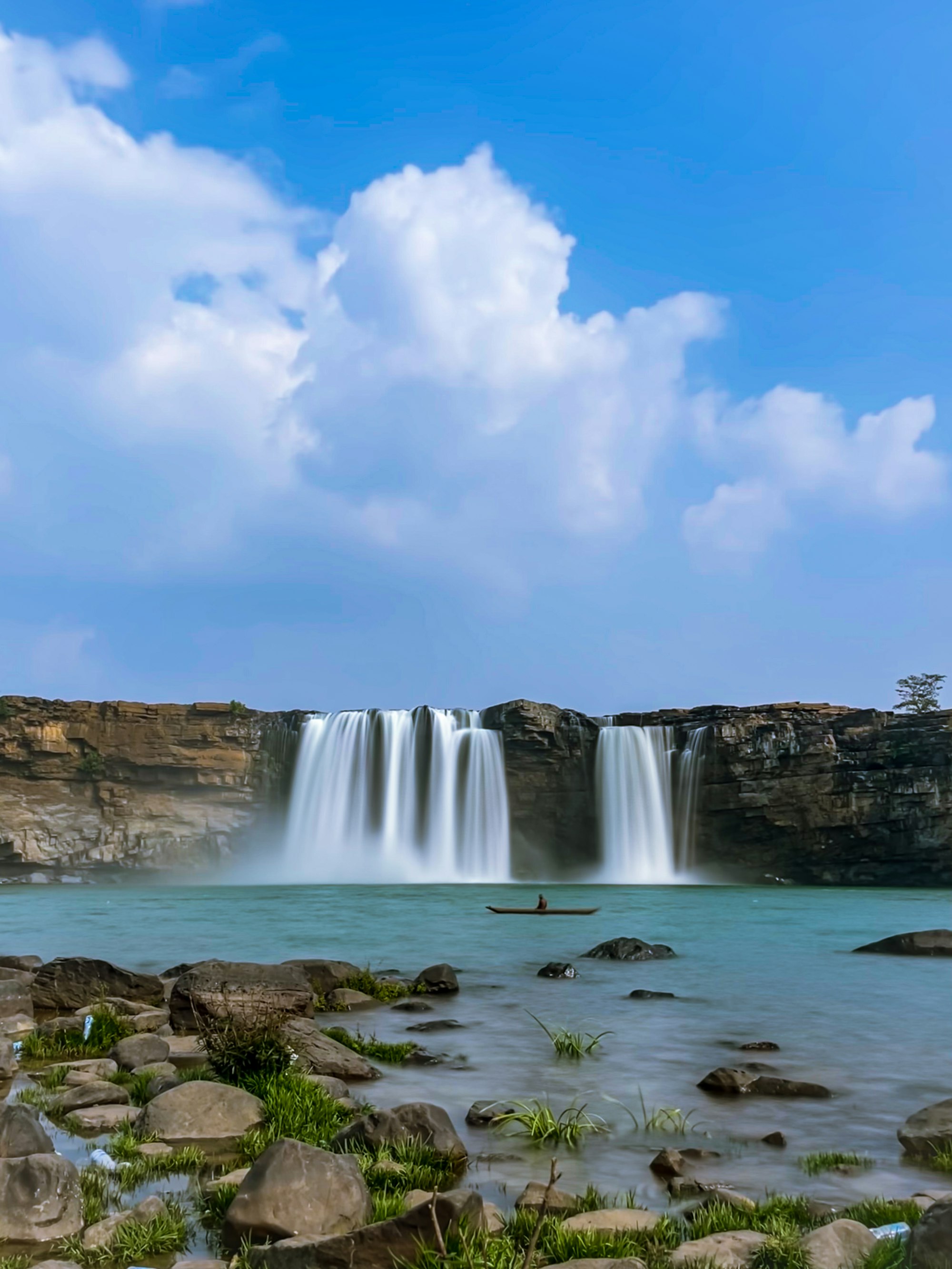
Watch from the viewpoints on the rim, and take a boat on the pool below only if it is operating and the water is calm.
Kanger Valley National Park
About 30 kilometres south-east of Jagdalpur, Kanger Valley National Park covers around 200 square kilometres of forest along the Kanger river. It is home to the Bastar hill myna, the state bird of Chhattisgarh.
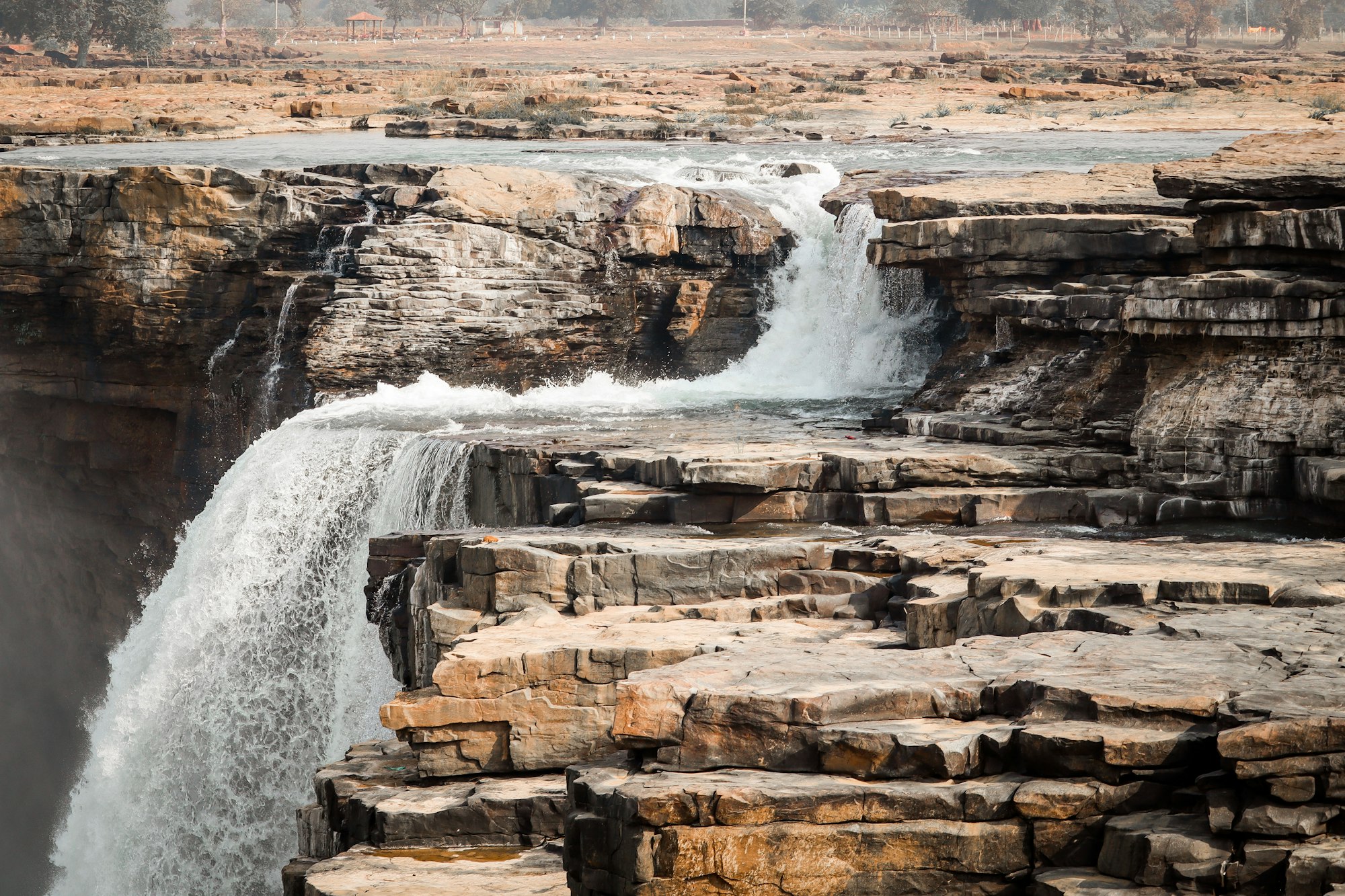
- Tirathgarh Falls: water tumbles over a series of rock steps for more than 30 metres; the white water gives it the name ‘Milky Fall’.
- Kotumsar Cave: a limestone cave with stalactites and stalagmites, and blind fish in its pools. It floods in the rains and is closed to visitors roughly mid-June to mid-October.
- Kailash Cave: another limestone cave in the park, discovered in 1993.
Jagdalpur and the villages
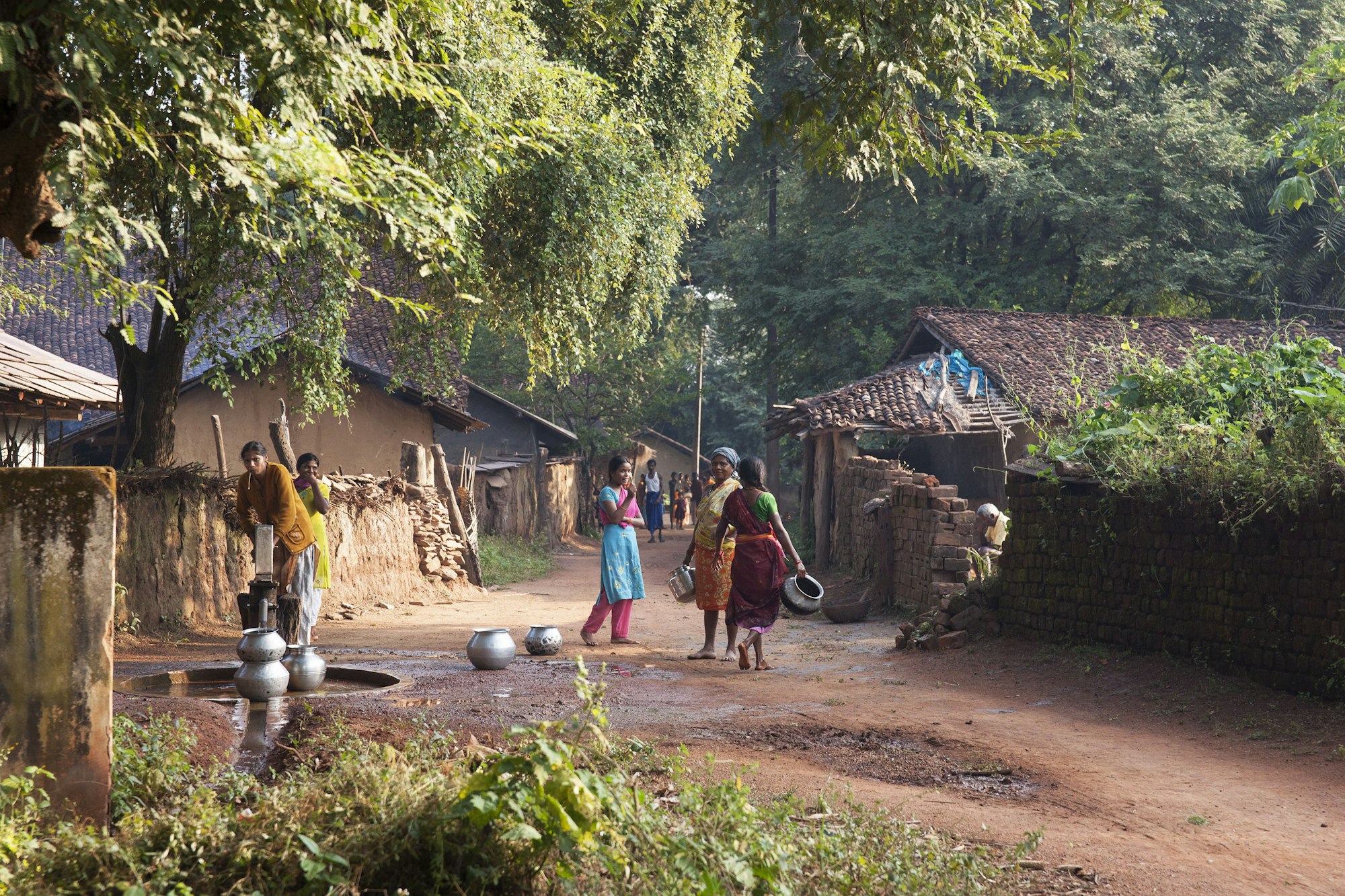
Jagdalpur is the base for exploring. Its anthropological museum and the Danteshwari temple are worth a visit, and Lamni Park is a green escape in town. The weekly haats (village markets) around Bastar are where much of the region’s trade and social life happens: go with a local guide, ask before photographing anyone, and buy something.
Bastar is known for its crafts: dhokra (lost-wax metal casting), wrought-iron figures, terracotta and wood carving. Buy from artisans or government emporiums so that the money reaches the makers.
Bastar Dussehra
Bastar’s Dussehra is unlike any other: it lasts about 75 days, is centred on the goddess Danteshwari rather than on Rama, and involves rituals drawn from many communities across the region, including the pulling of a huge wooden chariot. In 2026 it began with the Pat Jatra ritual on 12 August. If you plan to go, book well ahead and travel with someone who knows the festival.
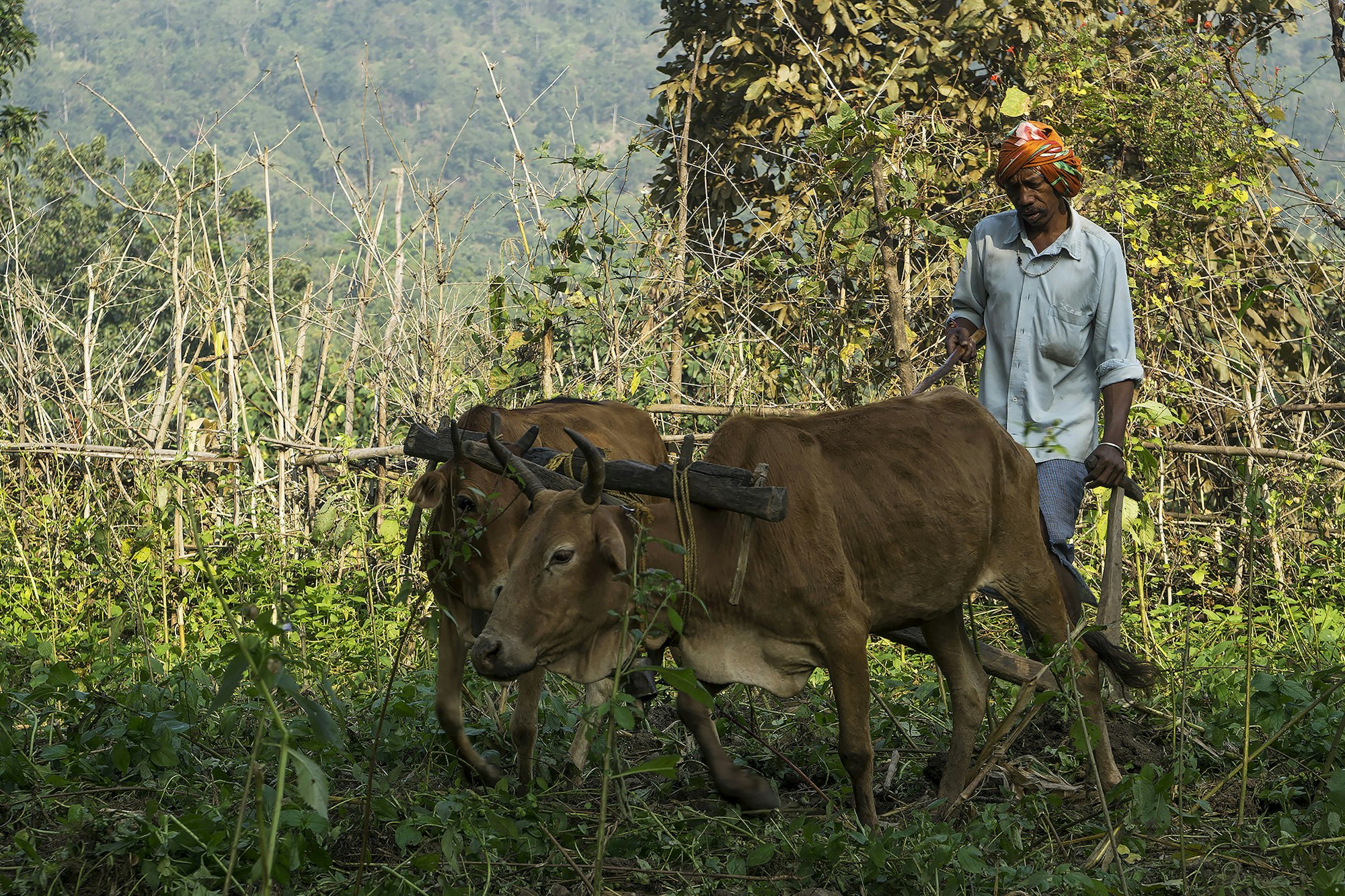
Food
Look out for rice-based dishes common across Chhattisgarh, forest produce, and in Bastar chapra, a chutney made with red ants. Mahua flowers, collected in spring, are central to the local economy.
Practicalities
- Getting there: Jagdalpur’s Maa Danteshwari Airport has flights to a few cities; routes change, so check current services. Raipur, the state capital, is the main gateway, a long drive to the north.
- When to go: October to February is the most comfortable. Waterfalls are best from late monsoon into early winter.
- How long: three to four days from Jagdalpur.
More in our Chhattisgarh guide.
Sources and image credits
Facts that can change were checked on 31 October 2026:
- GOV.UK foreign travel advice: India regional risks
- India TV News: Amit Shah says Naxal-free Bastar target achieved (18 May 2026)
- Wikipedia: Chitrakote Falls
- Wikipedia: Kanger Ghati National Park
- Wikipedia: Kotumsar Cave
- Wikipedia: Bastar Dussehra
- Chhattisgarh Tourism
Photography (stock images, not the author’s own): via Unsplash, under the Unsplash License: Gyanaprakash Maharana (Chitrakote Falls, Bastar), Ashutosh Chaudhari (A waterfall in Bastar), Manish Patel (Rock ledges and falls, Bastar), Wietse Jongsma (A village road, Bastar; Ploughing with oxen, Bastar).
Check the latest official travel advice for Bastar before you travel, and ask your hotel or local authorities about road and site conditions. Caves and some falls close in the monsoon.