Home / Travel / Explore India / North India / Himachal Pradesh
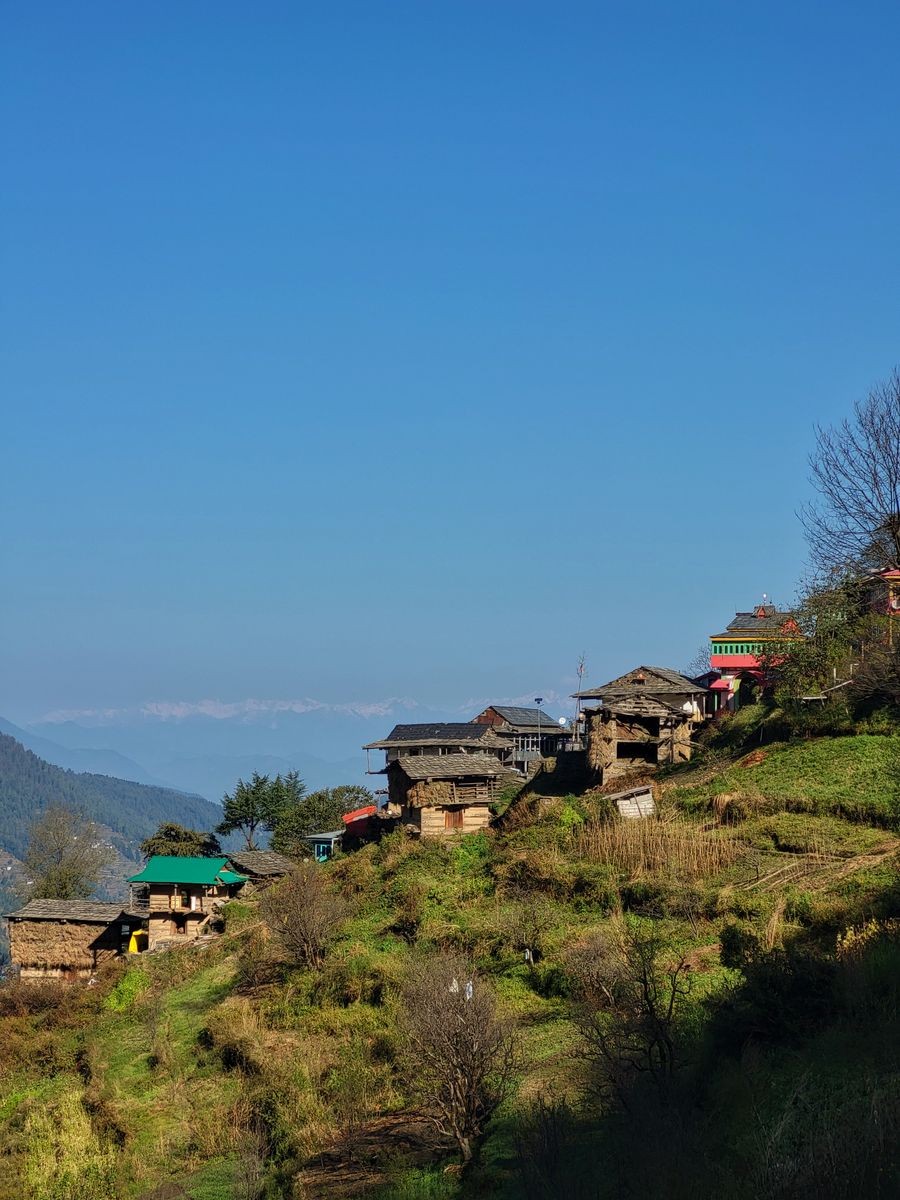
Deodar forests,
slate roofs,
slow roads.
North India · The mountain state
Himachal
Pradesh
Old hill stations, apple valleys, Tibetan culture and high desert, from the Shivaliks to Spiti.
Shimla, Kullu–Manali, Kangra, Chamba, Kinnaur, Spiti and Lahaul.
Himachal Pradesh climbs from the Shivalik foothills to the trans-Himalayan deserts of Spiti and Lahaul, and its valleys feel like different countries: Shimla’s colonial ridge, Kullu’s orchards and river towns, Kangra’s tea gardens and Tibetan monasteries, Kinnaur’s wooden temples, and the stark monastery villages of Spiti.
Roads, not distances, decide a Himachal trip. Choose one valley, or one connected route, and give it time. This guide is organised by valley so you can pick yours.
First edition · Practical details last checked 29 October 2026
At a glance
Ideal length · 4–7 days for one valley; 10–14 days for Kinnaur, Spiti and Lahaul
Gateways · Chandigarh; Shimla, Kangra (Gaggal) and Kullu (Bhuntar) airports; the Kalka–Shimla toy train
Best time · March–June and September–November; Spiti and Lahaul roughly June–October
Know before · Monsoon landslides (July–August); winter road closures in the high valleys
On this page: Places · Spiti & Lahaul · Culture & food · Plan your trip · Itineraries · Safety & access · Stories · Sources
Where to go
Places in Himachal Pradesh
Six clusters, each enough for a trip on its own.
Shimla and the old hill stations
- Shimla: the Ridge, Christ Church and the Viceregal Lodge; the Kalka–Shimla railway is part of the UNESCO-listed Mountain Railways of India.
- Mashobra, Naldehra, Chail and Kasauli for quieter stays. See slow weekends in the Himalayan foothills.
- Narkanda and Hatu Peak for orchards and views.
Kullu, Manali and the quiet valleys
- Manali and Old Manali, Naggar castle and the Roerich gallery, Vashisht’s hot springs.
- Parvati valley: Kasol, Manikaran, Tosh and Kalga.
- Tirthan valley, Jibhi and Shoja, gateway to the UNESCO-listed Great Himalayan National Park. Read two slow days in the Tirthan Valley.
Kangra, Dharamshala and the west
- McLeod Ganj, seat of the Tibetan government-in-exile, with the Tsuglagkhang complex.
- Bir–Billing for paragliding; Palampur’s tea gardens; the artists’ village of Andretta. Read the Kangra Valley, slowly.
- Kangra Fort, the Masroor rock-cut temples and the Baijnath temple.
Chamba, Dalhousie and Pangi
- Chamba town and its temples; the Chaurasi temples at Bharmour.
- Dalhousie, Khajjiar and the Kalatop forest.
- Pangi and Sach Pass: remote, seasonal and not an easy add-on.
Kinnaur
- Sarahan and the Bhimakali temple.
- Sangla and Chitkul, the last village of the Baspa valley, at about 3,450 m.
- Kalpa facing Kinner Kailash; Nako on the way to Spiti.
Spiti and Lahaul
- Kaza, Key, Kibber, Langza and Komic.
- Tabo, whose monastery was founded in 996, and Dhankar on its cliff.
- Chandratal, Sissu, Keylong and Jispa in Lahaul. See Spiti & Lahaul below.
Spiti & Lahaul
Spiti is a high-altitude cold desert on the Tibetan side of the Himalaya: villages above 3,500 metres, centuries-old monasteries and some of the most dramatic roads in India. Lahaul, across the Kunzum Pass, is greener and is now reached from Manali through the Atal Tunnel.
- Two routes in: from Shimla through Kinnaur (open for longer, and gentler for acclimatisation), or from Manali over Kunzum Pass (seasonal, usually summer to early autumn).
- Altitude: go up slowly, sleep lower where you can, and treat headache and breathlessness as reasons to rest.
- Services: fuel, cash and phone signal are limited beyond Kaza and Keylong; carry what you need.
- Foreign nationals need an Inner Line Permit for the stretch of the Kinnaur route near the border.
Culture & food
Arts and crafts
- Kangra miniature painting and Chamba rumal embroidery.
- Kullu shawls and Kinnauri caps and textiles.
- Kath-kuni architecture of stone and deodar in villages and temples.
Food
- The Himachali dham, a festive meal cooked by hereditary cooks; siddu, madra, babru and chha gosht.
- Trout in the Kullu and Tirthan valleys.
- Tibetan food in McLeod Ganj; thukpa and butter tea in Spiti.
Festivals
- Kullu Dussehra in October; Mandi Shivratri in late winter or early spring.
- The Minjar fair in Chamba; Losar in Buddhist areas.
- Dates vary each year; check with the district administration.
Travel responsibly
- Respect temple and monastery etiquette and ask before photographing people.
- Use local guides for remote trails and carry your waste out.
- Check whether trails, camps or protected areas need permits.
Plan your trip
How many days?
- 3–4 days: one base, such as Shimla, Tirthan or Dharamshala.
- 5–7 days: a Kullu–Manali or Kangra–Dharamshala route.
- 10–14 days: Spiti and Lahaul as a dedicated trip.
When to go
- March–June and September–November suit most of the state.
- July–August brings monsoon landslides; avoid long mountain drives.
- Winter brings snow to Shimla and Manali and closes the high passes. See our climate and seasons guide.
Getting there
- Air: Shimla, Kangra (Gaggal) and Kullu (Bhuntar) have small airports; Chandigarh is the larger gateway.
- Rail: the toy train from Kalka to Shimla; broad gauge to Chandigarh, Kalka and Pathankot.
- Road: overnight buses from Delhi to Manali, Dharamshala and Shimla.
Getting around
- HRTC buses reach most towns; taxis are simplest for valleys.
- Drive in daylight. Kinnaur roads are prone to rockfall.
- Rohtang Pass needs an online vehicle permit, with limited daily numbers.
Budget and where to stay
- Town hotels in Shimla, Manali and Dharamshala for first visits.
- Homestays in Tirthan, Kinnaur and Spiti for slower travel.
- We don’t quote prices because they change by season.
What to pack
- Layers all year; serious warm clothing for Spiti and winter.
- Rain gear in the monsoon.
- Cash for remote areas and any prescription medicines.
Sample itineraries
Starting points, not fixed packages. Adjust for weather, crowds and current advisories.
Kangra valley, slowly · 5 days
Starting point: Dharamshala (Gaggal airport) · Style: culture and soft adventure
- Day 1 · McLeod Ganj and the Tsuglagkhang complex.
- Day 2 · A morning walk to Dharamkot or Naddi; Kangra Fort in the afternoon.
- Day 3 · Masroor rock-cut temples.
- Day 4 · To Bir and Billing; paragliding if the weather allows.
- Day 5 · Palampur tea gardens and Andretta, then onward.
Limitations · Paragliding is weather-dependent and seasonal. Use registered operators.
Spiti circuit · 10 days
Starting point: Shimla · Style: high-altitude road trip
- Days 1–2 · Shimla to Sarahan, then Sangla or Chitkul.
- Days 3–4 · Kalpa, then Nako.
- Days 5–7 · Tabo, Dhankar and Kaza; day trips to Key, Kibber and Langza.
- Days 8–9 · Over Kunzum Pass to Chandratal, then Lahaul.
- Day 10 · Through the Atal Tunnel to Manali.
Limitations · Only in season, roughly June–October. Kunzum can close at short notice; return via Kinnaur if it does.
Roads and current access
Last checked 29 October 2026. This is a summary, not a safety assurance.
- Monsoon rains have caused serious landslides and flash floods in Himachal in recent years. Check district and HP Police road updates before long drives.
- Rohtang Pass needs an online vehicle permit (rohtangpermits.nic.in), with limited daily numbers.
- Kunzum Pass is seasonal. Foreign nationals need an Inner Line Permit for the border stretch of the Kinnaur–Spiti route.
- High valleys can be cut off by snow from late autumn to spring.
From the journal & traveller stories
- A weekend in the mountains: two slow days in the Tirthan Valley
- A different side of Himachal Pradesh: the Kangra Valley, slowly
- Slow weekends in the Himalayan foothills
- Lesser-known places in North India, including Chitkul
We haven’t yet found a firsthand travel account of Himachal Pradesh that we can summarise and recommend. If you have travelled here, we would like to hear from you.
Travelled here? Lifelately publishes reader stories with the writer’s approval and full credit. Share your travel story →
Official resources
- Himachal Tourism: official destination directory.
- HPTDC: state-run stays and travel.
- Rohtang permits: rohtangpermits.nic.in.
- India Meteorological Department: forecasts.
Sources & last checked
Time-sensitive details were checked on 29 October 2026:
- Himachal destinations · Himachal Tourism
- State-run stays · HPTDC
- Chitkul altitude · via our lesser-known places sources
Background on history, culture and food is drawn from general reference sources. Spotted something out of date? Let us know.
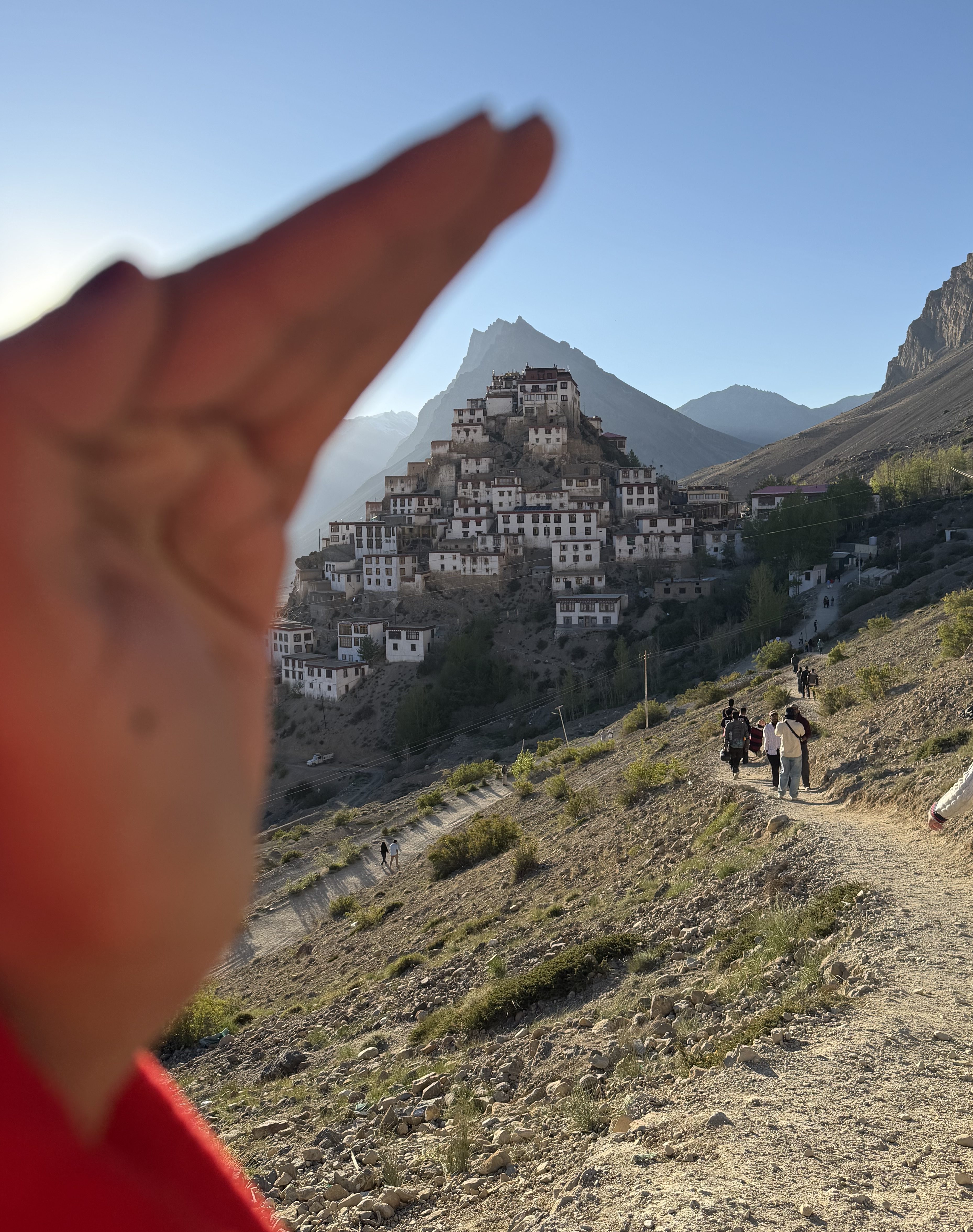
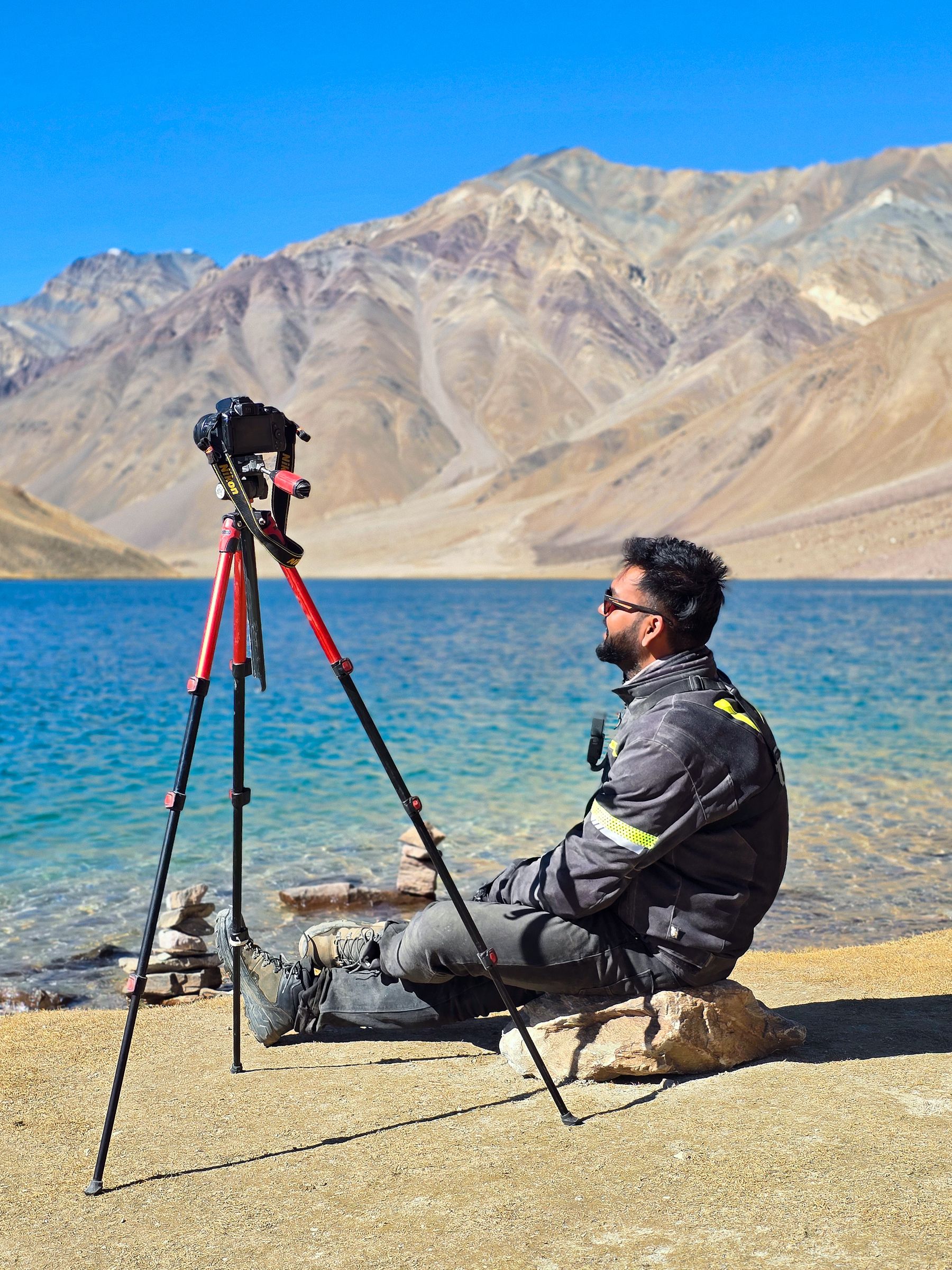
Photography: Mahek / Lifelately (Key Monastery, Spiti; author’s own). Stock images via Pexels, used under the Pexels License, not the author’s own: Nishant Malik (Shoja), Mangalam Bhargava (Chandratal).
A little something
for your inbox.
Stories, finds and inspiration, occasionally — and a note when new destination guides go live.
More life, always. © 2026 Lifelately · Privacy

