Home / Travel / Explore India / North India / Ladakh
Thin air,
prayer flags,
slow days.
Ladakh is a high-altitude cold desert between the Karakoram and the Great Himalaya, a union territory since 2019 with two districts at its heart: Buddhist-majority Leh and Muslim-majority Kargil. Whitewashed monasteries sit on ridges above the Indus, villages are green islands of barley and apricot in a brown landscape, and the roads cross some of the highest passes in the world.
Altitude shapes everything. Leh sits at roughly 3,500 metres, so the first days of any trip are for resting, not sightseeing. This page is our single guide to the whole region, Leh included: start with Leh, then choose one or two valleys rather than trying to see everything.
First edition · Practical details last checked 29 October 2026
At a glance
Ideal length · 7–10 days, including two full days to acclimatise in Leh
Gateways · Leh airport (flights year-round); by road from Manali or from Srinagar over Zoji La, both seasonal
Best time · Roughly June to September for most routes; winter is for experienced, well-prepared travellers
Know before · Altitude sickness is the main risk; foreign nationals need permits for border areas
On this page: Places · Leh · Altitude · Culture & food · Plan your trip · Itineraries · Permits & access · Stories · Sources
Where to go
Places in Ladakh
Most journeys start in Leh and radiate out along a few valleys. Each needs at least one night; the high lakes need more planning.
Leh and the Indus valley
- Leh: the old town below Leh Palace, Namgyal Tsemo, Shanti Stupa at sunset, and the main bazaar. See Leh below.
- Monasteries on the Indus: Thiksey, Hemis, Shey, Stakna and Stok, all reachable as day trips.
- Sangam, where the Zanskar meets the Indus, on the way to the Sham valley.
Sham valley and the west
- Alchi, with 11th-century murals among the oldest surviving in Ladakh.
- Likir, Basgo and Lamayuru, with its eroded “moonland” landscape.
- Village homestays in the Sham valley, a gentle first trip after acclimatising.
Nubra valley
- Over Khardung La, one of the highest motorable passes in the world.
- Diskit monastery and its large Maitreya statue; the dunes at Hunder.
- Turtuk, a Balti village in lower Nubra, opened to visitors in 2010.
The high lakes
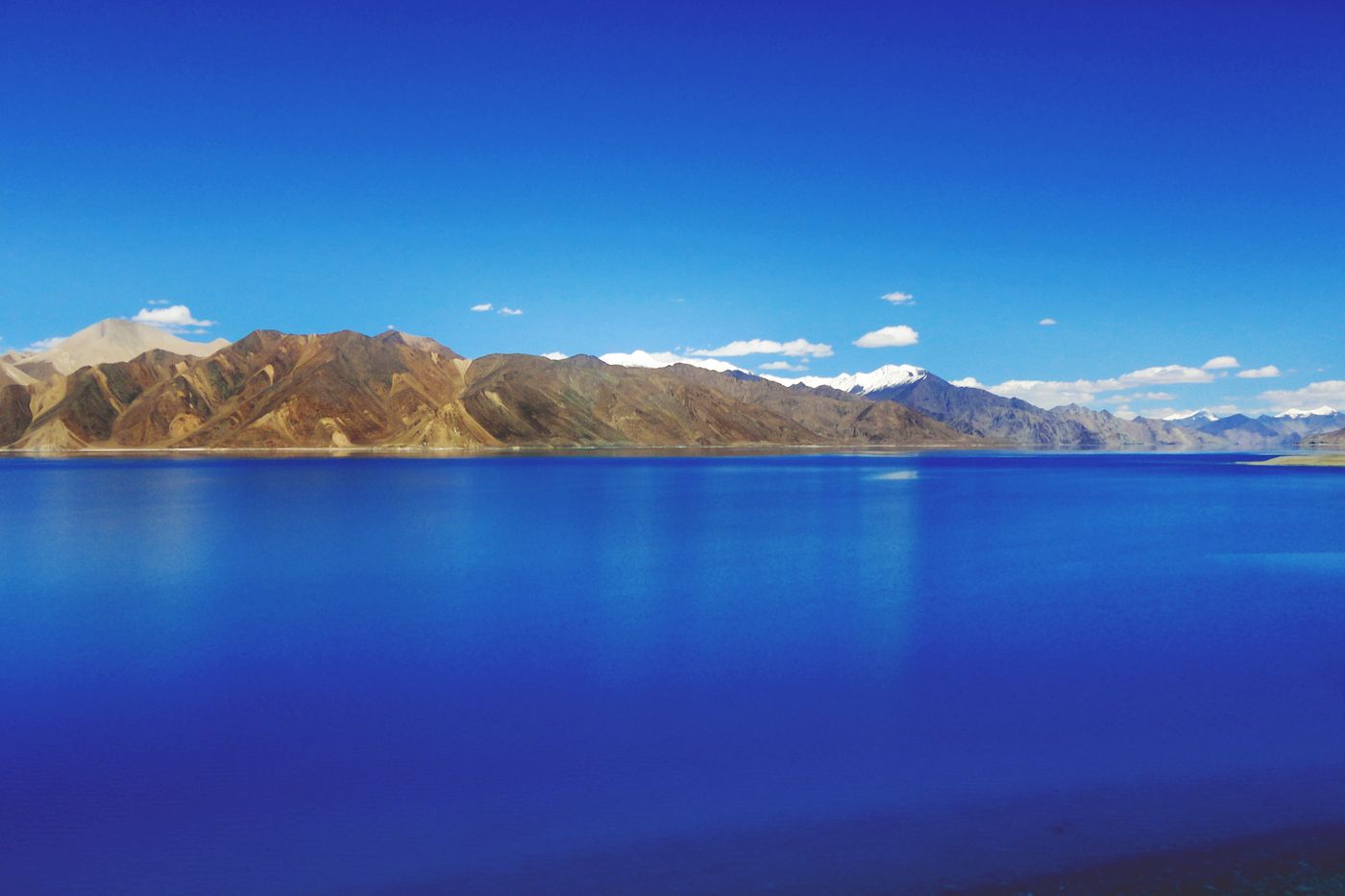
- Pangong Tso, the long lake on the Changthang plateau, reached over Chang La.
- Tso Moriri and Korzok village, higher and quieter.
- Hanle, home to India’s first dark-sky reserve and the Indian Astronomical Observatory.
Kargil, Suru and Zanskar
- Kargil and Drass, on the road from Srinagar, with the Kargil War Memorial at Drass.
- The Suru valley, with views of the Nun Kun massif.
- Zanskar and Padum, for those with a week or more: remote, seasonal and best with a local driver.
Aryan valley
- The Brokpa villages of Dha, Hanu and Garkone along the lower Indus, known for their distinct dress, language and apricot orchards.
- Check permit rules before you go: this is a border area.
Leh
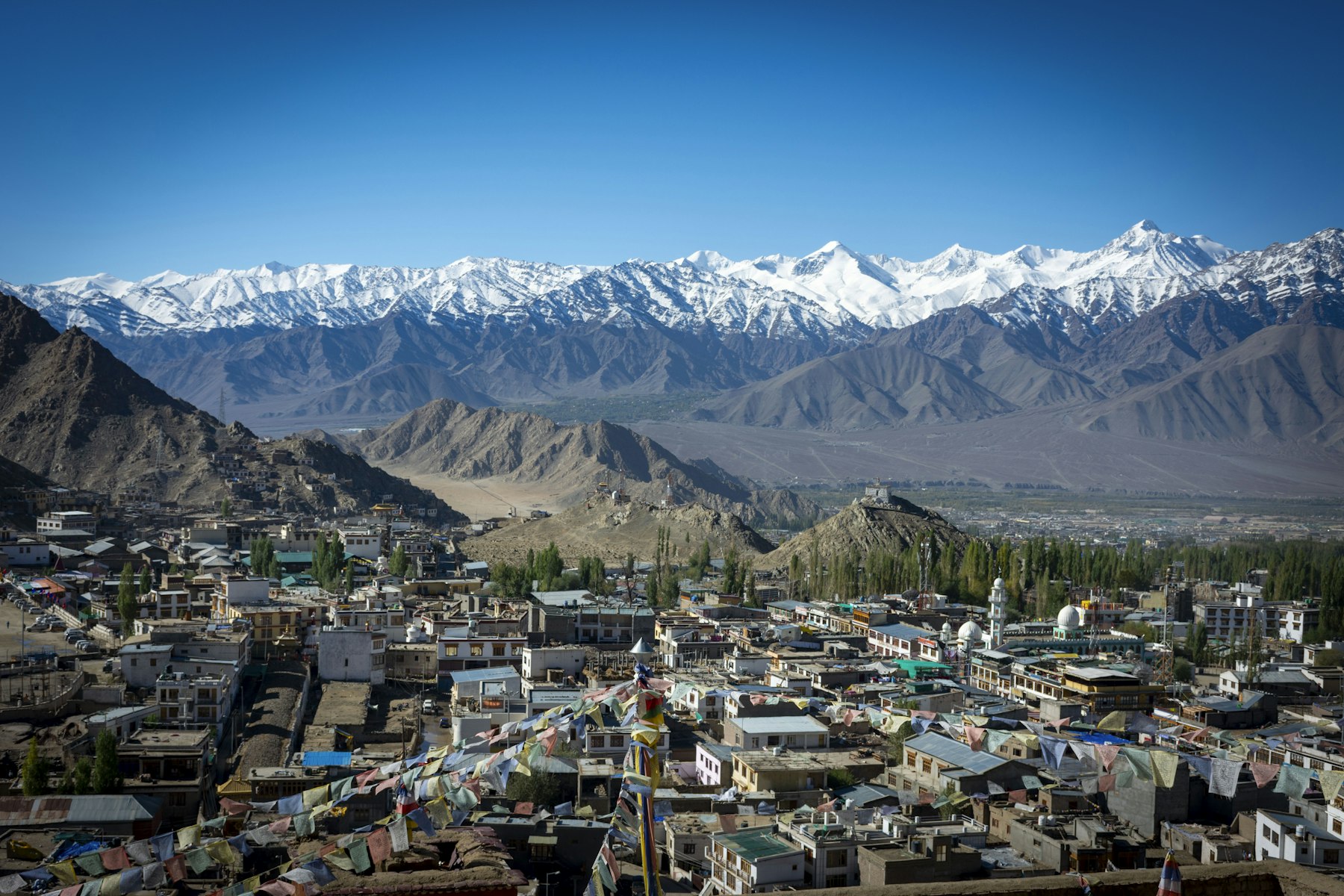
Leh is where almost every Ladakh trip begins and ends, and it is worth more than a transit night. The old town of mud-brick houses climbs towards the nine-storey Leh Palace, built in the 17th century for the Namgyal kings; above it, Namgyal Tsemo gompa and its prayer flags look over the whole valley.
- Walk the old town in the morning, then climb to Shanti Stupa for the evening light. Take both slowly on your first days.
- Day trips: Thiksey for early prayers, Hemis (Ladakh’s largest monastery), Shey Palace, Stok Palace museum, and the Hall of Fame army museum.
- Where to stay: central Leh is walkable and close to cafés; Changspa and the lanes towards Sankar are quieter guesthouse areas.
- Practical: Leh is where you arrange permits, taxis and fuel for onward routes. Mobile coverage thins quickly outside town.
Altitude: the first two days
Acute mountain sickness can affect anyone, however fit. If you fly in, rest for 36–48 hours before doing anything strenuous, drink water, avoid alcohol and climb gradually: spend a night in Leh or Nubra before sleeping at Pangong, Tso Moriri or Hanle.
- Headache, nausea, poor sleep and breathlessness are common early signs. Rest, and do not go higher until they pass.
- Confusion, severe breathlessness at rest or loss of coordination are emergencies: descend and get medical help.
- If you have heart or lung conditions, or are pregnant, talk to a doctor before you travel.
Culture & food
Monasteries and etiquette
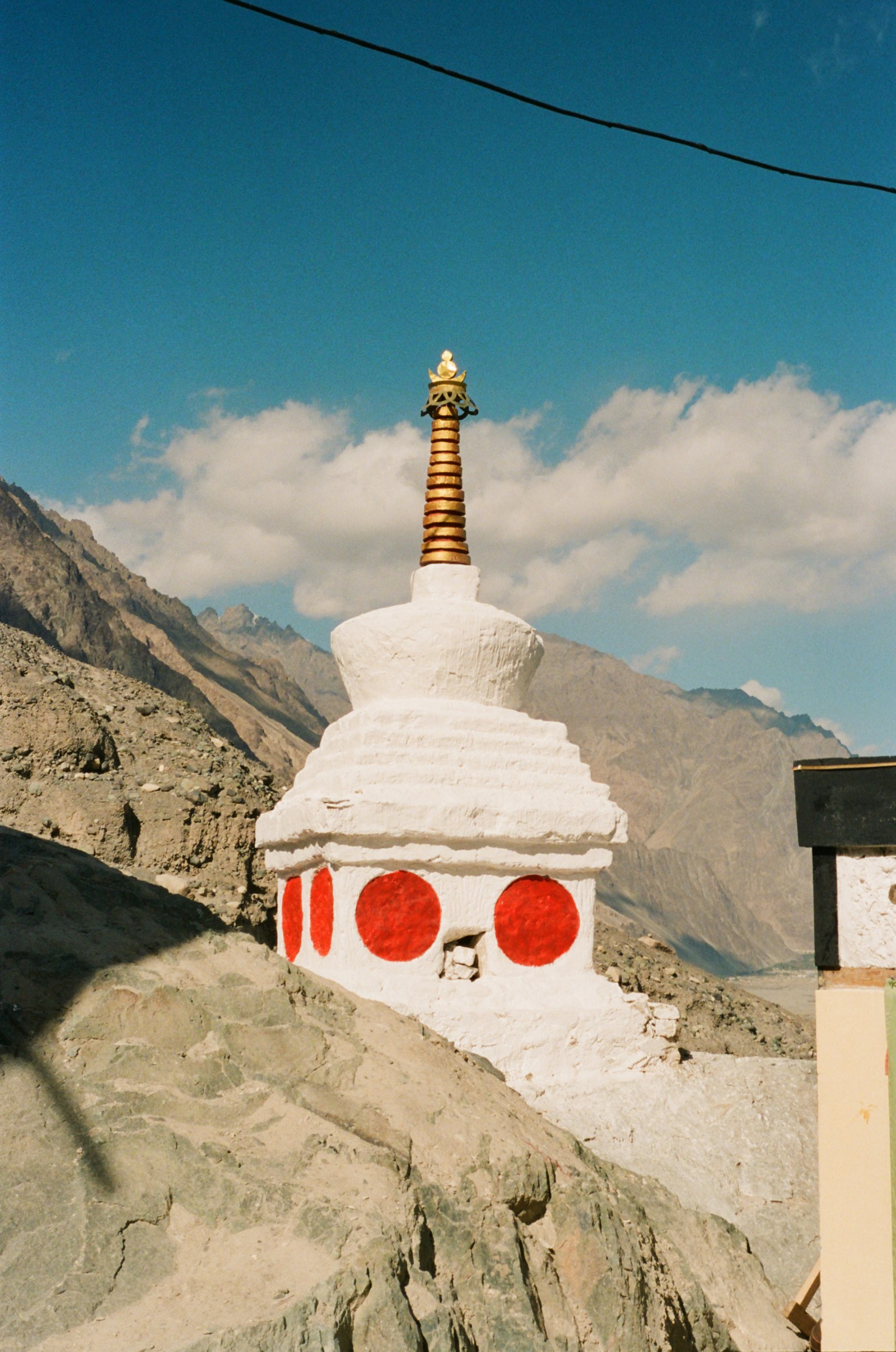
- Walk clockwise around chortens, mani walls and prayer wheels.
- Ask before photographing people and inside prayer halls; some forbid flash or photography altogether.
- Dress modestly and keep voices low during prayers.
Food
- Thukpa and skyu (a hearty pasta stew), momos, khambir bread and butter tea (gur gur cha).
- Apricots in late summer, dried apricots and apricot-kernel oil all year; sea buckthorn juice.
- In Kargil and Turtuk, Balti and Shia Muslim dishes add another layer.
Festivals
- Monastery festivals with masked cham dances, such as Hemis in summer; dates follow the Tibetan calendar, so check each year.
- Ladakhi Losar, the new year, in winter.
- The Ladakh Festival in September, with music, dance and polo.
Travel lightly
- Water is scarce: take short showers and refill bottles instead of buying plastic.
- Stay on marked tracks. Off-road driving damages fragile habitats and is fined.
- Choose homestays and local drivers so more of your spend stays in villages.
Plan your trip
How many days?
- 5 days: Leh and nearby monasteries with rest built in.
- 7–8 days: add Nubra and Pangong once you have acclimatised.
- 10–14 days: add Tso Moriri, Hanle, the Sham valley or Kargil and Suru.
When to go
- Most routes are open roughly June to September, and the high passes can close at short notice in any month.
- Late May and early October are quieter and colder; some camps and guesthouses close.
- Winter (December–February) is extremely cold. Flights still operate, but roads and services are limited. See our climate and seasons guide.
Getting there
- Air: Leh has direct flights from Delhi and other cities through the year.
- Road from Manali: via the Atal Tunnel and the high passes beyond Lahaul; typically a two-day drive in season.
- Road from Srinagar: over Zoji La via Sonamarg, Drass and Kargil; also a two-day drive, which helps with acclimatisation.
Getting around
- Most visitors hire a taxi from Leh; local taxi unions set route rates, so agree the itinerary and overnight stops in advance.
- Self-drive and motorbike trips need fuel planning: pumps are few beyond Leh, Diskit and Kargil.
- Allow daylight for every drive and expect slow, rough stretches near the passes.
Budget and where to stay
- Leh: guesthouses, homestays and hotels across all budgets.
- Nubra: Diskit, Hunder or Sumur; the lakes: basic camps and homestays, often seasonal.
- We don’t quote prices because they change by season and demand.
What to pack
- Warm layers even in summer: nights are cold and the passes can be freezing.
- Sunscreen, sunglasses and a hat: UV is intense at altitude.
- Any prescription medicines, a basic first-aid kit and enough cash; ATMs are few outside Leh and Kargil.
Sample itineraries
Starting points, not fixed packages. Adjust for weather, crowds and current advisories.
Leh and the Indus valley · 5 days
Starting point: Leh (air) · Style: gentle, acclimatisation-first
- Day 1 · Arrive in Leh and rest. No sightseeing.
- Day 2 · A short walk in the old town; early night.
- Day 3 · Thiksey, Shey and Hemis monasteries.
- Day 4 · West along the Indus to Sangam, Basgo, Likir and Alchi.
- Day 5 · Shanti Stupa and the bazaar, then fly out the next morning.
Limitations · Keep days 1–2 truly restful. Monastery festival days are busy; check dates.
Leh, Nubra and Pangong · 8 days
Starting point: Leh (air) · Style: classic loop
- Day 1 · Arrive and rest.
- Day 2 · Rest and an easy old-town walk.
- Day 3 · Thiksey and Hemis.
- Day 4 · Over Khardung La to Diskit and Hunder.
- Day 5 · Turtuk and back to Hunder, or a quieter day in Nubra.
- Day 6 · Nubra to Pangong via the Shyok route, if it is open, or return via Leh.
- Day 7 · Pangong to Leh over Chang La.
- Day 8 · Fly out.
Limitations · Foreign nationals need permits for Nubra and Pangong. The Shyok route depends on conditions; check locally the day before.
Arriving by road from Manali or Srinagar? Build in a night at Kargil or in Lahaul, and keep your first full day in Leh light.
Permits and current access
Last checked 29 October 2026. This is a summary, not a safety assurance.
- Indian citizens no longer need an Inner Line Permit for protected areas such as Nubra, Pangong and Tso Moriri; the requirement was removed in 2021 (Deccan Herald). Registration and fees may still apply, so check before you travel.
- Foreign nationals need a Protected Area Permit for these border areas, usually arranged through a registered travel agent in Leh; it is valid for 15 days.
- Off-road driving near Pangong and in protected habitats is penalised: in June 2026, four vehicles were fined ₹50,000 each (Business Today, 30 Jun 2026).
- Ladakh borders Pakistan and China. Follow checkpoint instructions, don’t photograph military installations, and avoid unmarked detours.
- International readers should check their own government’s travel advice and whether their insurance covers high-altitude travel (GOV.UK, for example).
From the journal & traveller stories
- Planning a Ladakh trip: seasons, roads, acclimatisation and permits
- Leh, Nubra, Pangong and Tso Moriri: how to plan the classic routes responsibly
- The Himalaya walks the runway: a preview of Ladakh’s craft at Lakmé Fashion Week.
We haven’t yet found a firsthand travel account of Ladakh that we can summarise and recommend. If you have travelled here, we would like to hear from you.
Travelled here? Lifelately publishes reader stories with the writer’s approval and full credit. Share your travel story →
Official resources
- LAHDC Leh permit portal: permits and fees.
- India Meteorological Department: forecasts.
- GOV.UK travel advice (or your own government’s equivalent).
Sources & last checked
Time-sensitive details were checked on 29 October 2026:
- Inner Line Permit removed for Indian citizens (2021) · Deccan Herald
- Ladakh protected-area fines · Business Today, 30 Jun 2026
- Ladakh permits · LAHDC Leh permit portal
- UK travel advice · GOV.UK FCDO
Background on history, culture and food is drawn from general reference sources. Spotted something out of date? Let us know.
Photography (stock images, not the author’s own): Avinash Patel / Pexels (Pangong Tso), used under the Pexels License; Ben Gillam (chorten) and Anand Mahajan (town below the mountains) via Unsplash, used under the Unsplash License.
A little something
for your inbox.
Stories, finds and inspiration, occasionally — and a note when new destination guides go live.
More life, always. © 2026 Lifelately · Privacy

