Magazine / Travel / Explore India / West India / Goa
Sea breeze,
church bells,
long lunches.
West India · Coast, churches and a slower pace
Goa
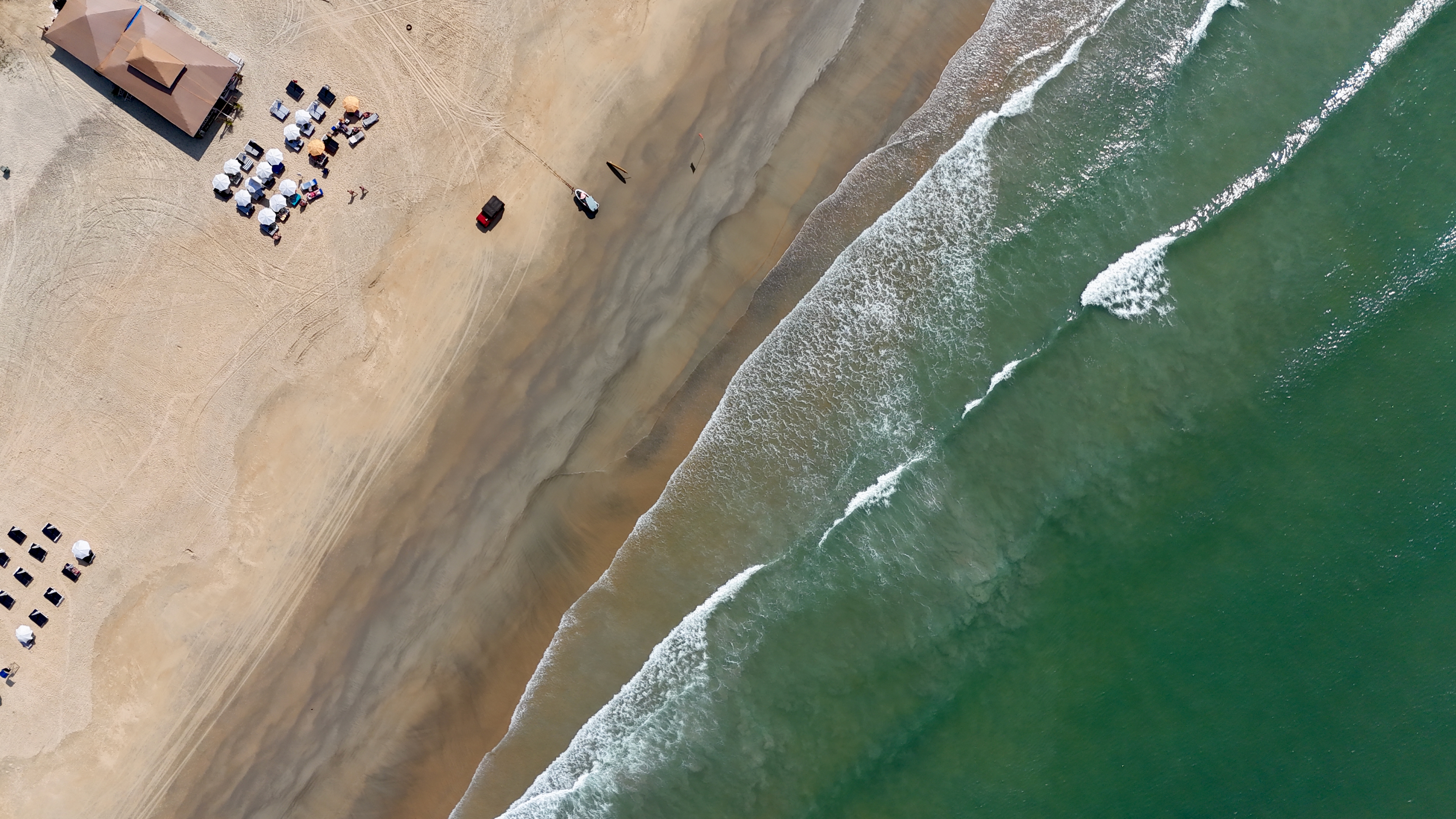
Long beaches, Portuguese-era churches, painted lanes and a green hinterland.
North and South Goa, Old Goa, Panaji and Fontainhas, and the Western Ghats.
Places The coast Food & culture Plan Itineraries Before you go
Goa is India’s smallest state by area, a strip of coast and hills between Maharashtra and Karnataka. It was ruled by Portugal for some four and a half centuries, until 1961, and that history still shapes its churches, houses, food and festivals.
Most visitors come for the beaches, and they are the right reason to come. But give yourself time for the river towns, the old churches and the forested interior too: Goa is more varied than its reputation.
First edition · Practical details last checked 31 October 2026
At a glance
Ideal length · 4–5 days for one stretch of coast and Old Goa; a week or more to see north and south
Gateways · Dabolim and Manohar International (Mopa) airports; Madgaon and Thivim stations on the Konkan Railway
Best time · November to February; the monsoon runs roughly June to September
Know before · Swim only at lifeguarded beaches; the sea is dangerous in the monsoon
On this page: Places · North or south · Old Goa · Culture & food · Plan your trip · Itineraries · Safety & access · Stories · Sources
Where to go
Places in Goa
Think of Goa as three parts: the busier north, the quieter south, and the river towns and hills inland.
North Goa
- Candolim, Calangute, Anjuna, Vagator, Morjim and Arambol.
- The most restaurants, markets and nightlife, and the biggest crowds at Christmas and New Year.
- See north or south.
South Goa
- Long, wide beaches such as Colva, Benaulim, Varca and Cavelossim.
- Smaller coves around Palolem and Agonda in the far south.
- Quieter, and better for a restful stay.
Old Goa
- The former Portuguese capital on the Mandovi.
- The UNESCO-listed Churches and Convents of Goa, including the Basilica of Bom Jesus.
- See Old Goa.
Panaji and Fontainhas
- The relaxed state capital, also called Panjim.
- Fontainhas, the old quarter of painted houses and narrow lanes.
- The Church of Our Lady of the Immaculate Conception.
The hinterland
- Spice farms and temples around Ponda.
- Forested Western Ghats along the Karnataka border.
- Check access to waterfalls and forest areas in the monsoon.
North or south?
The simplest way to choose: stay north for variety and an evening out, south for space and quiet. With a week, split your stay between the two. Distances are short on a map but roads are slow, so a base in each half saves time.
Read our guide to choosing between North and South Goa.
Old Goa and Panaji
Old Goa’s great churches stand in open lawns a short drive from Panaji. UNESCO’s listing names seven monuments, among them the Basilica of Bom Jesus, completed in 1605, which holds the tomb of St Francis Xavier, and the Sé Cathedral. Go in the morning, dress modestly and allow a couple of hours.
Then spend the afternoon in Panaji’s Fontainhas quarter. See Old Goa and Panaji.
Culture & food
Food
- Fish curry and rice, the everyday Goan meal.
- Xacuti, cafreal and vindaloo, and bebinca for dessert.
- Cashew feni, a local spirit, and Goan bakeries’ breads such as poi.
Festivals
- Christmas and New Year, the busiest season.
- Carnival, tentatively February 2027.
- Shigmo, the spring festival, tentatively March 2027.
Architecture
- Portuguese-era churches and chapels.
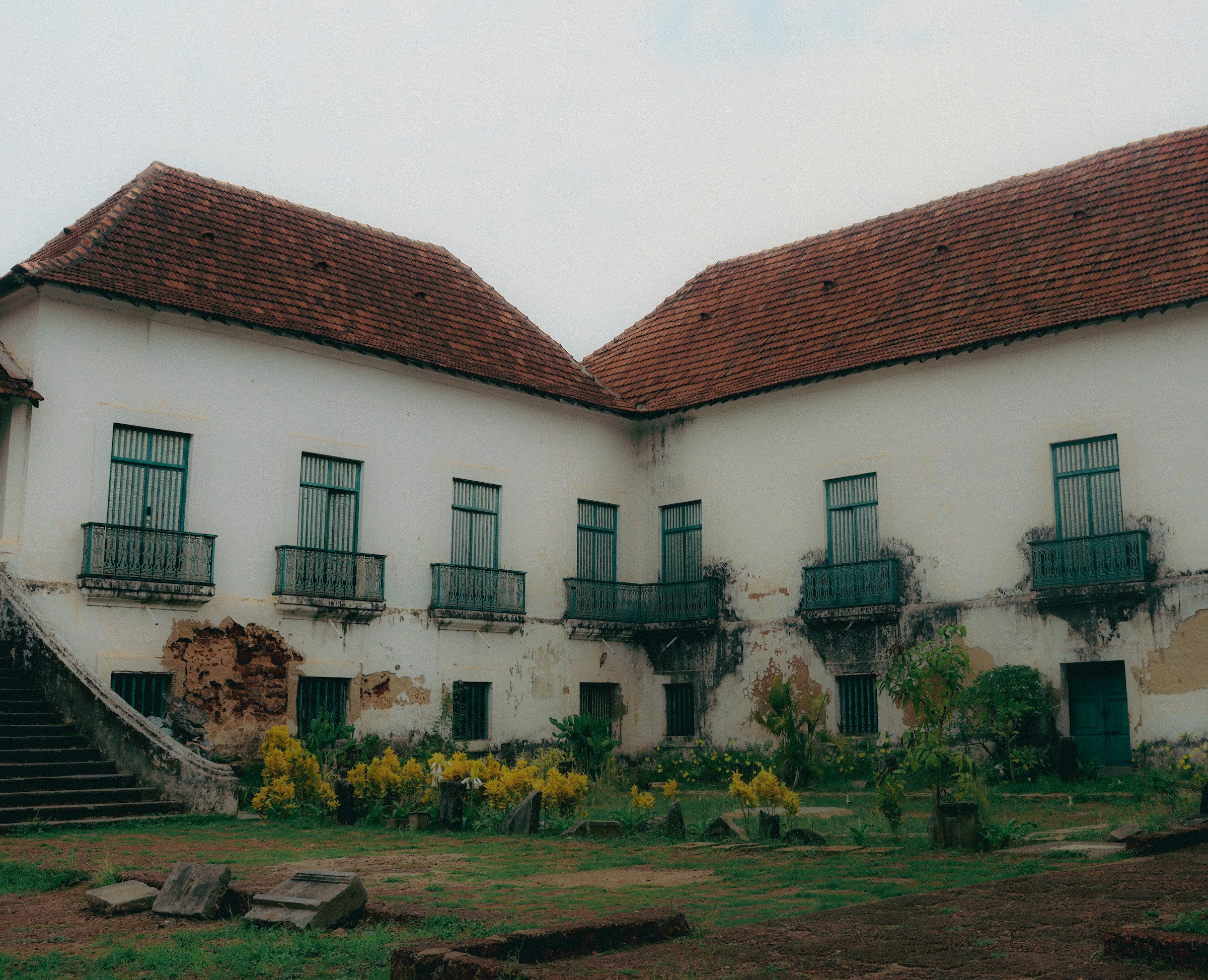
- Old houses with balconies and tiled roofs.
- Temples in the Ponda area.
Etiquette
- Cover up away from the beach, and in churches and temples.
- Ask before photographing people and homes.
- Respect quiet hours in residential areas.
Plan your trip
How many days?
- 3–4 days: one beach base plus Old Goa and Panaji.
- 7 days: north and south, with a day inland.
- 10 days: add Mumbai or the Konkan coast.
When to go
- November to February: warm, dry and busiest.
- March to May: hot and humid, quieter.
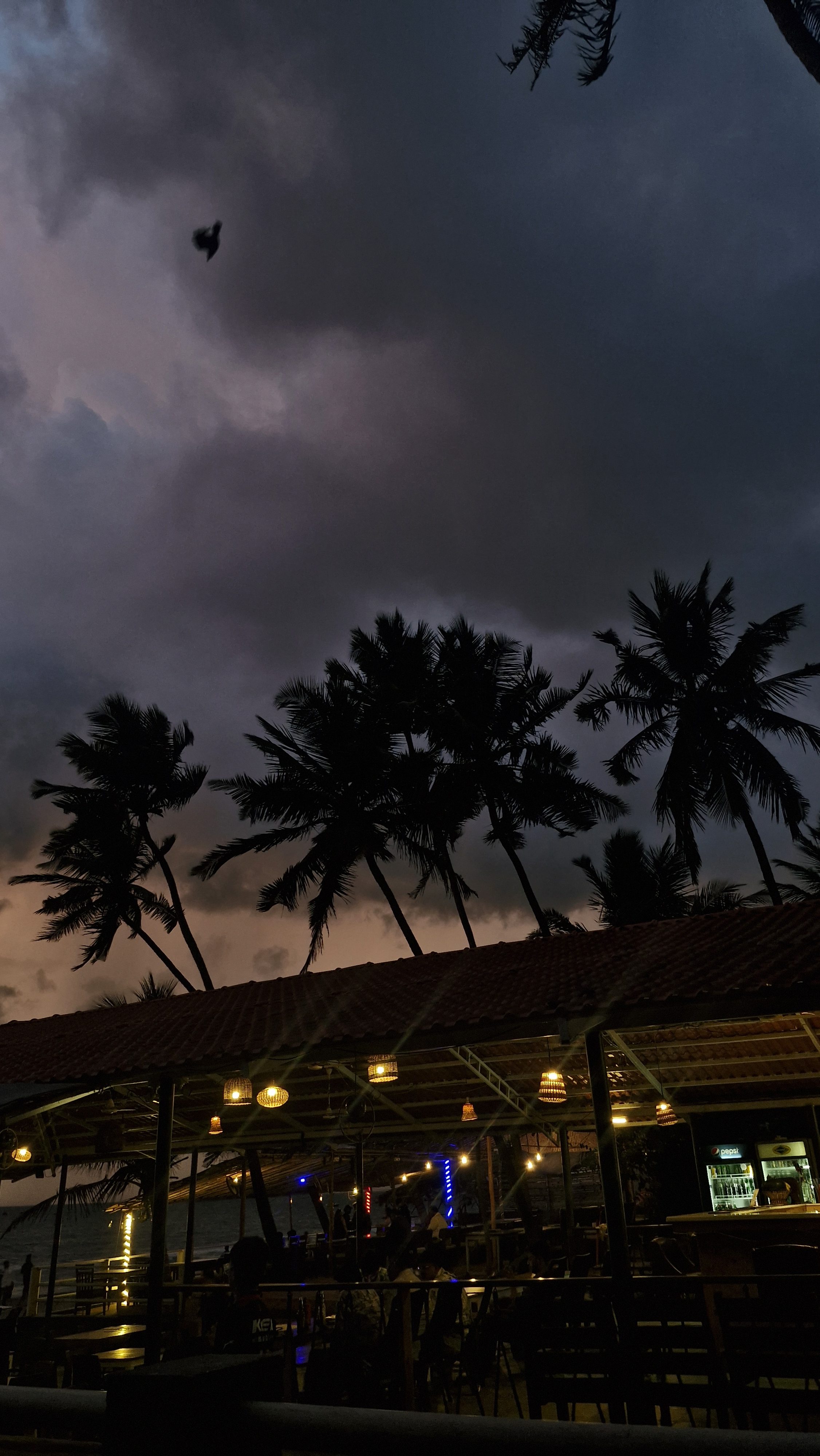
- June to September: the monsoon. Green and lush, but the sea is rough and many beach shacks close.
Getting around
- Taxis and app cabs where available, or a car with a driver.
- Scooters are widely rented; wear a helmet and carry your licence.
- Konkan Railway trains link Goa with Mumbai and Mangaluru.
Where to stay
- Guesthouses and beach huts along the coast.
- Heritage homestays in old Goan houses.
- Resorts in the north and south.
Sample itineraries
Starting points, not fixed packages. Adjust for weather, crowds and current advisories.
Goa in five days · 5 days
Starting point: Goa airport · Style: coast and heritage
- Day 1 · Arrive; settle into a North Goa base.
- Day 2 · Beaches and a market.
- Day 3 · Old Goa in the morning, Panaji and Fontainhas in the afternoon.
- Day 4 · Move to South Goa.
- Day 5 · A slow beach day before leaving.
Limitations · Roads are slow; avoid packing too much into one day.
Mumbai to Goa · 7 days
Starting point: Mumbai · Style: city and coast
- Days 1–3 · Mumbai.
- Day 4 · Konkan Railway or flight to Goa.
- Days 5–7 · Old Goa, Panaji and a beach base.
Limitations · See West India itineraries for more routes.
Safety and current access
Last checked 31 October 2026. This is a summary, not a safety assurance.
- Beaches: swim only where lifeguards are on duty and follow their flags. Swimming is dangerous in the monsoon.
- Monsoon: roughly June to September. Some waterfalls, forest areas and boat services close for safety.
- Festivals: Goa Tourism’s calendar for 2026–27 lists Carnival (February 2027) and Shigmo (March 2027) as tentative.
- Roads: drive carefully at night; wear a helmet on two-wheelers.
From the journal & traveller stories
Lifelately guides to Goa, researched from official and published sources. We have not yet received a firsthand traveller story from here.
- Old Goa and Panaji: churches, the Latin quarter and an unhurried river town
- North or South Goa? How to choose your stretch of coast
- How to plan a West India trip
Travelled here? Lifelately publishes reader stories with the writer’s approval and full credit. Share your travel story →
Official resources
- Department of Tourism, Government of Goa.
- India Meteorological Department: forecasts and monsoon warnings.
- GOV.UK travel advice (or your own government’s equivalent).
Sources & last checked
Time-sensitive details were checked on 31 October 2026:
- Churches and Convents of Goa · UNESCO World Heritage Centre
- Goa festivals 2026–27 · Goa Tourism, State festival calendar (PDF)
- Airports · Manohar International Airport (Wikipedia)
- History · Goa (Wikipedia)
Background on history, culture and food is drawn from general reference sources. Spotted something out of date? Let us know.
Photography (stock images, not the author’s own): via Unsplash, under the Unsplash License: Rishi Jhajharia (a colonial-era building, Old Goa). Via the WordPress Photo Directory, CC0: Hardeep Asrani (Cavelossim Beach, South Goa), Prathamesh Bhagat (a beach café in Goa).
A little something
for your inbox.
Stories, finds and inspiration, occasionally — and a note when new destination guides go live.
More life, always. © 2026 Lifelately · Privacy

