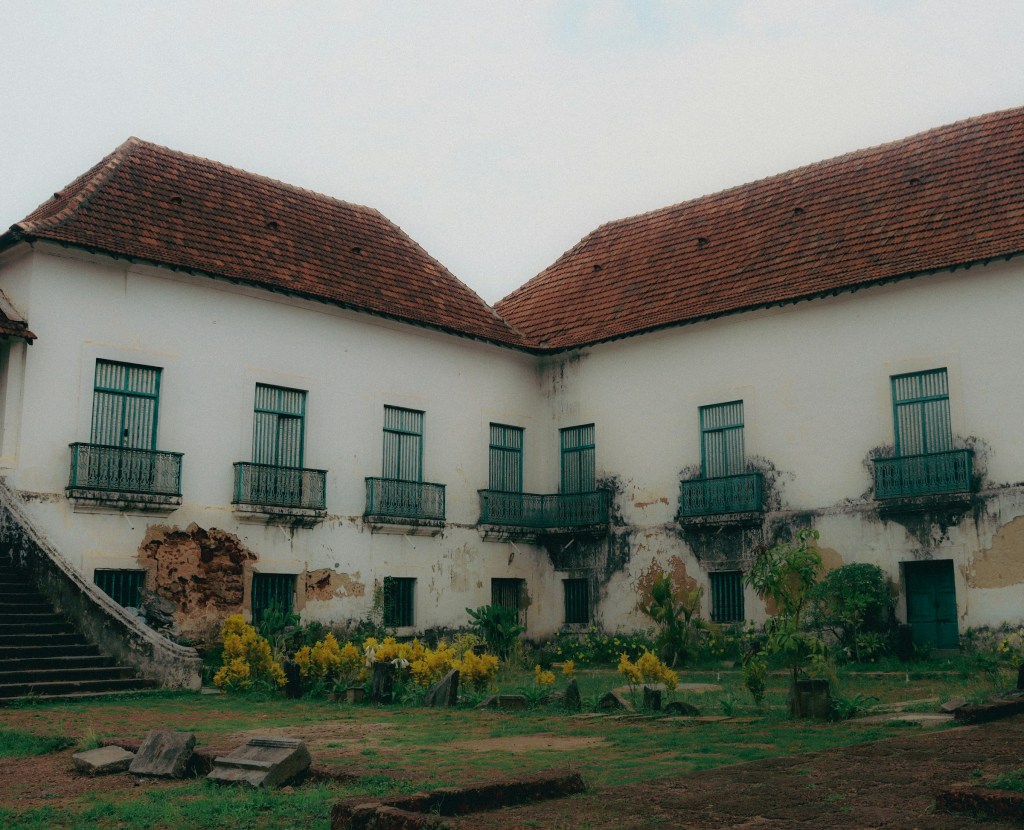
Most people come to Goa for the coast, but some of its most memorable hours are spent inland, along the Mandovi River. Old Goa, once the capital of Portuguese India, is now a quiet green expanse of great churches. A few kilometres downstream, Panaji (also called Panjim), the state capital, keeps an old residential quarter of painted houses and narrow lanes.
The churches of Old Goa
The Churches and Convents of Goa are a UNESCO World Heritage Site. UNESCO’s listing names seven monuments in Old Goa, built between the early 16th and the late 17th centuries, including the Basilica of Bom Jesus, the Sé Cathedral, the Church and Convent of St Francis of Assisi, the Church of Our Lady of the Rosary, the Chapel of St Catherine, the Chapel of St Cajetan and the partly ruined Church of St Augustine.
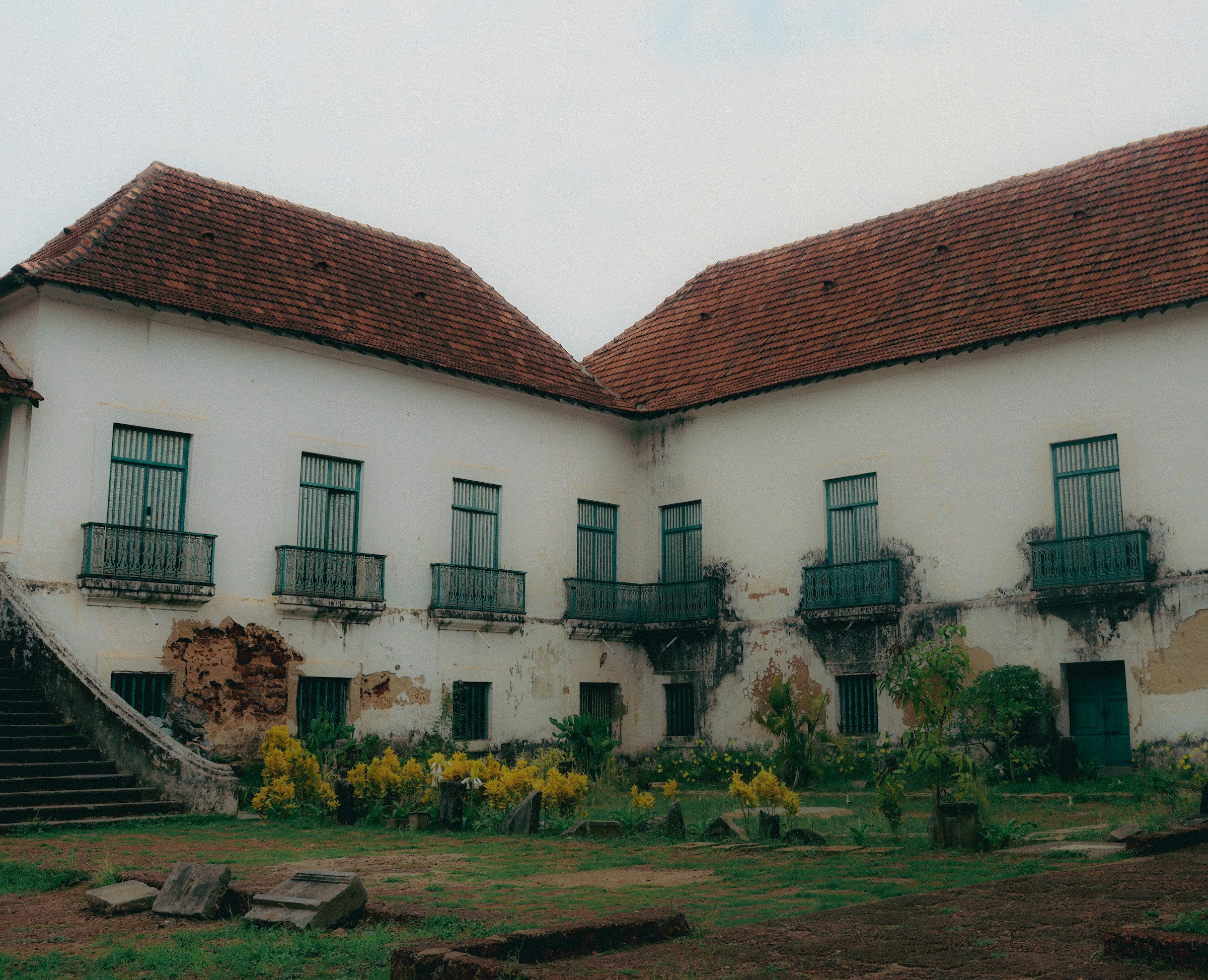
- Basilica of Bom Jesus: completed in 1605 and home to the tomb of St Francis Xavier. Its unplastered laterite facade is the image most people carry away.
- Sé Cathedral: across the lawns from the basilica, a vast white church completed in the 17th century.
- St Augustine’s tower: the surviving bell tower of a church that is now largely ruined, a short walk up the hill.
Give it a morning. The sites are close together and easy to walk between, but there is little shade, so go early and carry water.
Panaji and Fontainhas
Panaji is small, walkable and pleasantly unhurried. The Fontainhas neighbourhood, often called the Latin quarter, is the part to wander: houses painted ochre, blue and green, tiled roofs, balconies, small chapels and cafés. The white Church of Our Lady of the Immaculate Conception, with its zigzag staircase, stands near the centre of town.
Fontainhas is a lived-in neighbourhood rather than a museum. Keep your voice down, don’t walk into courtyards and ask before photographing people or their homes.
Practicalities
- Getting there: Old Goa is a short drive or bus ride east of Panaji. Goa has two airports, Dabolim in the south and Manohar International at Mopa in the north.
- When to go: November to February is the most comfortable time. The monsoon, roughly June to September, is very wet.
- What to wear: cover shoulders and knees in the churches.
Continue with our Goa guide or read about choosing between North and South Goa.
Sources and image credits
Facts that can change were checked on 31 October 2026:
- UNESCO: Churches and Convents of Goa
- Wikipedia: Basilica of Bom Jesus
- Wikipedia: Fontainhas
- Wikipedia: Manohar International Airport
Photography: Rishi Jhajharia via Unsplash (Unsplash License). Stock images, not the author’s own.
Church access can change for services, feast days and conservation work. Dress modestly and check locally before you visit.