In Uttarakhand, tradition is not kept behind glass. It is drawn in rice paste on a doorstep, sown in a bucket of soil ten days before a festival, carried through the hills on a palanquin, and sung beside the rivers every evening. For a traveller, the best way to see it is slowly and with permission.
Aipan: patterns on red earth
Aipan is the ritual floor and wall art of Kumaon. Patterns are painted with a white paste of rice flour on surfaces coated with geru, a brick-red earth, for festivals, household ceremonies and rites of passage. The skill has traditionally passed between women, from mothers to daughters and daughters-in-law. Kumaoni Aipan received a Geographical Indication (GI) tag in September 2021.
Harela: a festival of seedlings
Harela marks the first day of the month of Shravan, usually around 16 July, at the start of the monsoon and the sowing season. About ten days earlier, families sow five or seven kinds of seed in small containers; on the day, the green shoots are cut and placed on the heads of family members with a blessing. It is most prominent in Kumaon, and in recent years it has also become a day for planting trees.
Ramman: masked ritual theatre
Every year in late April, the twin villages of Saloor-Dungra in Chamoli district hold Ramman, a religious festival and ritual theatre in honour of the local deity Bhumiyal Devta, with masked dances and recitations of local versions of the Ramayana. Each caste and occupational group in the village has its own role. UNESCO inscribed Ramman on its Representative List of the Intangible Cultural Heritage of Humanity in 2009.
Jageshwar: temples in a cedar forest
About 36 km northeast of Almora, at 1,870 m, a group of around 125 stone temples stands along the Jataganga stream beneath deodar trees. Most were built between the seventh and twelfth centuries. The Archaeological Survey of India protects the site and runs a small museum of sculptures nearby. A monsoon festival is held during Shravan, and a fair at Maha Shivratri in early spring.
Nanda Devi Raj Jat: a pilgrimage of twelve years
The Nanda Devi Raj Jat is a long foot pilgrimage in Chamoli district, traditionally held about once every twelve years, that escorts the goddess Nanda towards the high Himalaya. Plans for 2026 shifted during the year: in January the yatra committee announced a postponement to 2027, and in September a procession set out from Siddhapeeth Kurud in Chamoli bound for Homkund. If you hope to witness it, follow local news and the organising committees closely.
The rivers
Water carries much of Uttarakhand’s sacred geography. Read our guide to the Panch Prayag, the five confluences of the Alaknanda, and our notes on the evening Ganga aarti in Rishikesh.
Buying crafts well
Uttarakhand has more than 30 GI-tagged products. In July 2026 the state opened a dedicated GI products gallery at the Forest Training Academy in Haldwani, showing crafts such as Aipan, Ringal bamboo work, Tamta copperware and Chamoli’s Ramman masks alongside produce such as Munsiyari white rajma and Berinag tea. Wherever you are, buy from makers or certified sellers so that the money reaches the people who keep these crafts alive.
Visiting respectfully
- Festivals are religious occasions first. Ask before photographing rituals, people and homes.
- Dress modestly at temples and follow local guidance on where visitors may stand.
- Stay in village homestays where you can, and ask your hosts about local customs.
- Check dates locally: many festivals follow the lunar calendar and move from year to year.
For places, routes and seasons, see our Uttarakhand guide.
Sources and image credits
Facts that can change were checked on 22 October 2026:
- UNESCO: Ramman, religious festival and ritual theatre of the Garhwal Himalayas (2009)
- Wikipedia: Aipan art
- Wikipedia: Harela
- Wikipedia: Jageshwar
- ETV Bharat: Nanda Devi Raj Jat 2026 postponed to 2027 (18 January 2026)
- ETV Bharat: Nanda Devi Raj Jat begins from Kurud (5 September 2026)
- Drishti IAS: Uttarakhand opens GI products gallery in Haldwani (20 July 2026)
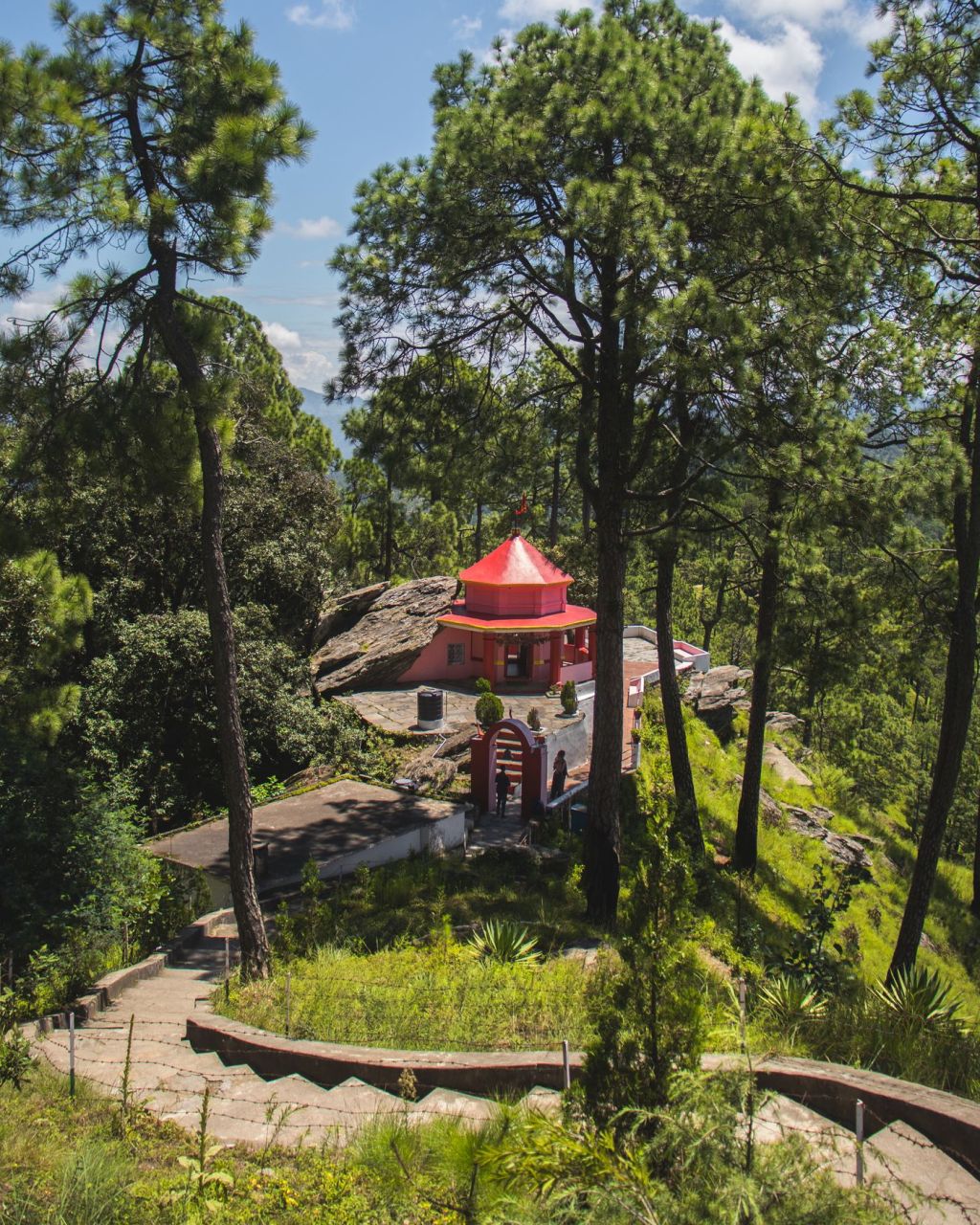
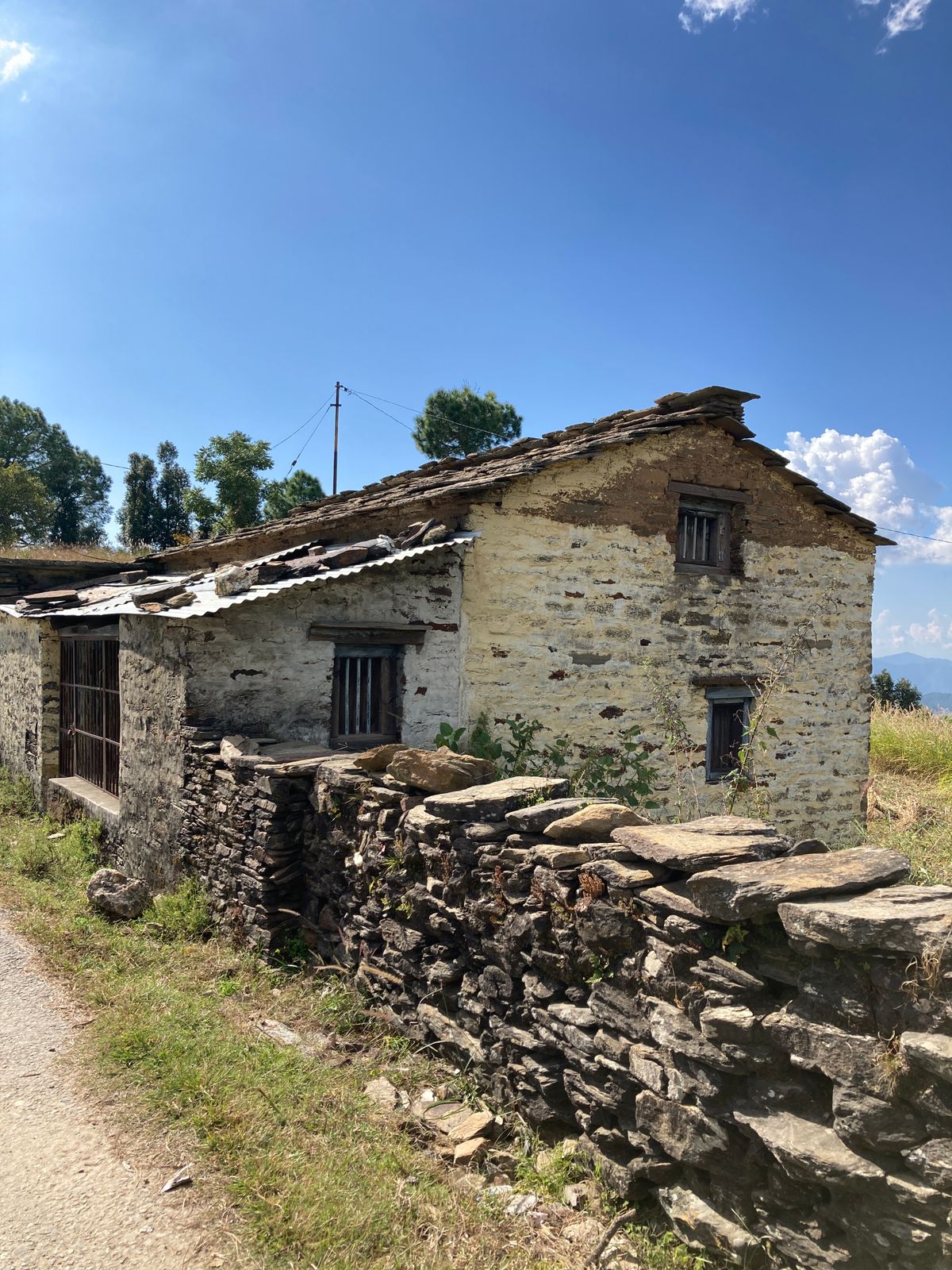
Photography via Pexels, used under the Pexels License: miheer tewari (Binsar temple), Uzma Creates (Almora stone house). These are stock images, not the author’s own, and do not show the festivals described.
Festival dates and access change from year to year. Confirm locally before you travel.