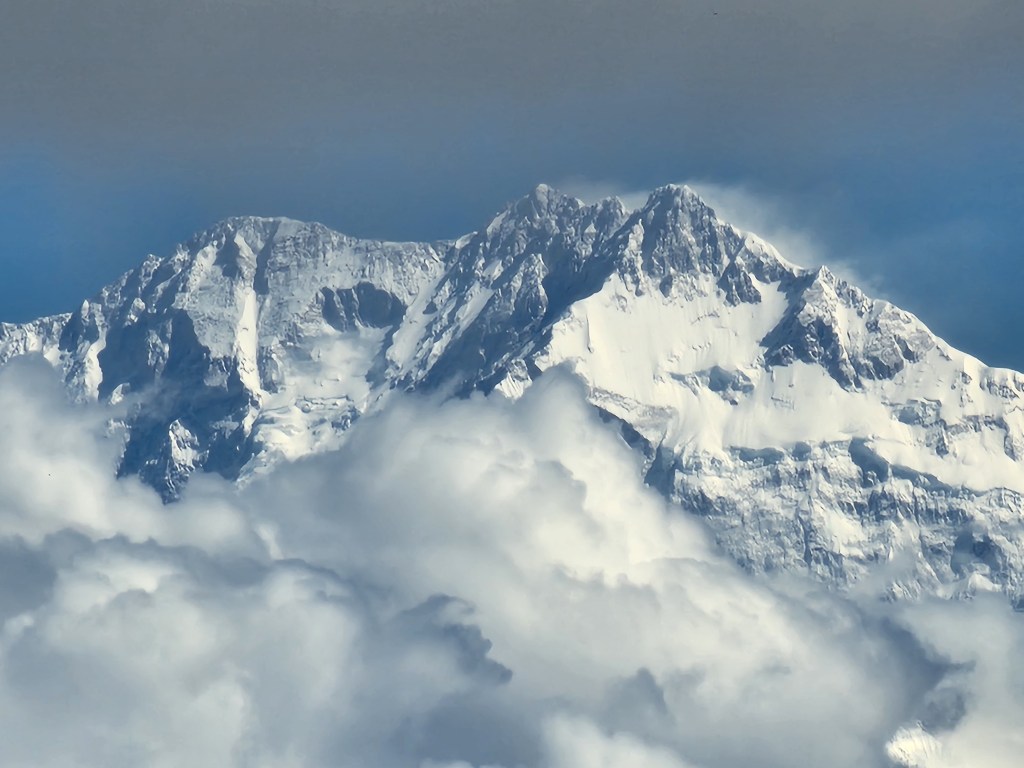
Darjeeling sits on a ridge in the far north of West Bengal, at roughly 2,000 metres, with tea estates falling away below it and, on clear days, the Kangchenjunga massif filling the horizon. It grew as a hill station in the 19th century, and much of its character still comes from that era: the Mall, the old hotels and churches, and of course the tea.
The tea estates
Darjeeling tea grows on steep slopes around the town and in the valleys beyond. Many estates welcome visitors, and some have bungalows where you can stay. A good visit shows you the gardens, the withering and rolling rooms, and ends with a tasting, where the differences between seasonal ‘flushes’ become obvious.
- Spring and early summer are the main picking seasons; ask what is being processed when you visit.
- Wear good shoes: estate paths are steep and can be slippery.
- Buy from the estate or a reputable shop rather than from street stalls.
The toy train
The Darjeeling Himalayan Railway, opened in 1881, climbs from New Jalpaiguri to Darjeeling on a two-foot gauge, using loops and zigzag reverses to gain height. It is part of the UNESCO World Heritage Site of the Mountain Railways of India. Most visitors ride a short joyride between Darjeeling and Ghum rather than the whole line; services run with both steam and diesel engines, and extra festival joyrides have been added for the 2026–27 season.
Mountain views
The views of Kangchenjunga are clearest early in the morning, and more reliable in spring and autumn than in the monsoon. Many people drive up to Tiger Hill before sunrise; if you would rather avoid the crowds, the ridge around the Mall and Observatory Hill also gives good views on a clear day.
Kalimpong, a slower neighbour
Kalimpong, lower and warmer, lies to the east above the Teesta valley. It has monasteries, plant nurseries and a quieter pace, and makes a good second base. The drive between the two takes a few hours on winding roads.
Practicalities
- Getting there: fly to Bagdogra or take a train to New Jalpaiguri, then continue by road (several hours uphill).
- When to go: spring and autumn for views; the monsoon (roughly June to September) brings heavy rain and landslide risk.
- Pack layers: mornings and evenings are cool even in summer.
For the wider region, see our West Bengal guide.
Sources and image credits
Facts that can change were checked on 31 October 2026:
- UNESCO: Mountain Railways of India
- ETV Bharat: festival joyrides from 1 October 2026
- Wikipedia: Darjeeling Himalayan Railway
Photography: erkrish via the WordPress Photo Directory (CC0); Prasanta Kr Dutta via Unsplash (Unsplash License). Stock images, not the author’s own.
Toy train services, joyride timings and road conditions change, especially in the monsoon. Check the current railway timetable and local advice before you travel.