The Road to Spiti: A Journey I Keep Wanting to Relive
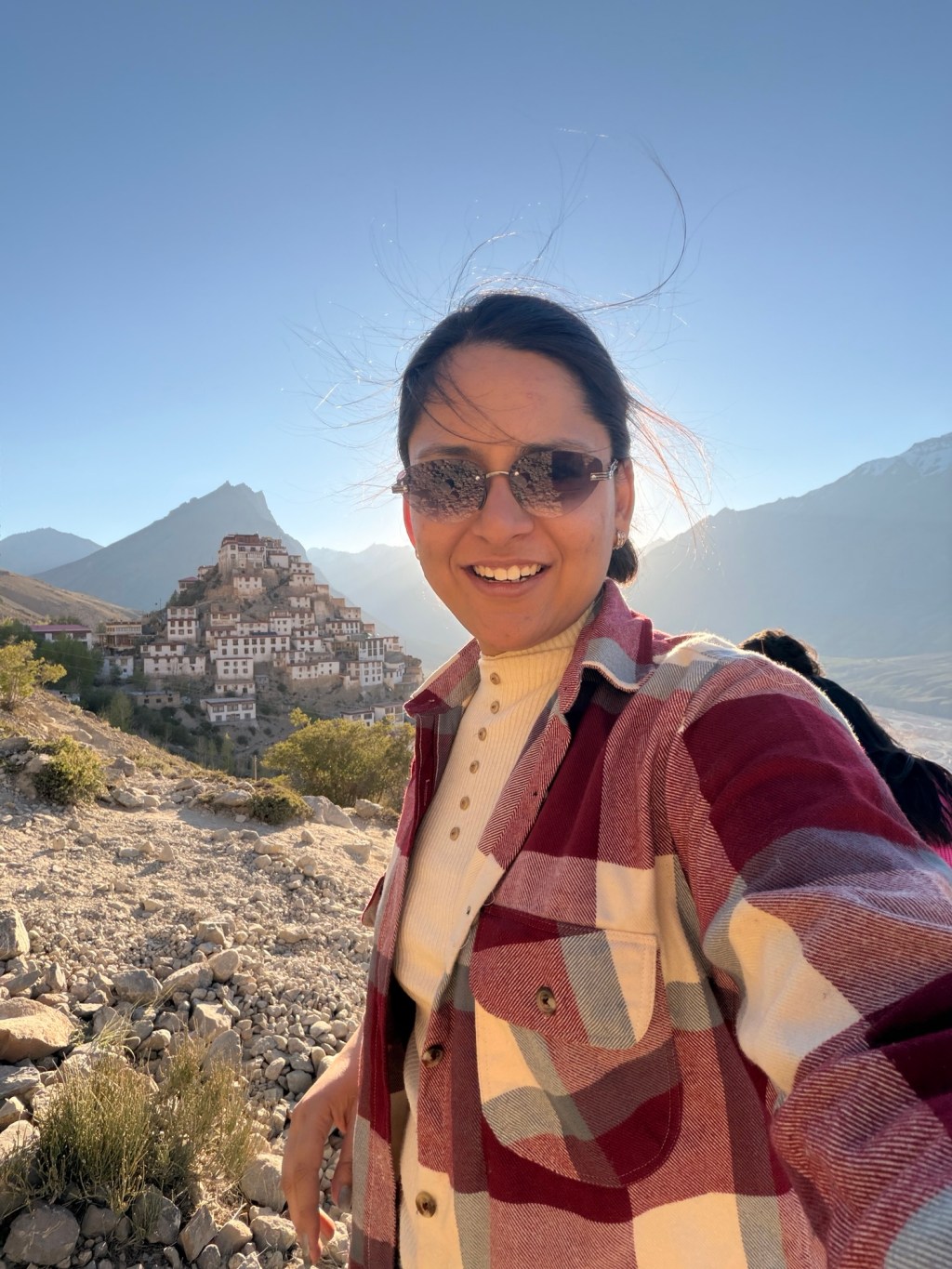
We were standing on top of a van somewhere past Sangla, and somebody had turned the music up.
Below us, a river ran through the valley. Behind us was a road we had spent most of the afternoon stuck on. Chitkul, the place we were supposed to sleep that night, had just slipped out of reach for the second day in a row. By every sensible measure, the trip was not going to plan.
And yet, for about half an hour, nobody cared. Seventeen or eighteen people who had barely known each other two days earlier were dancing on and around a parked van in the middle of the mountains. That is the moment I always come back to when someone asks me about my Spiti Valley road trip. Not a lake, not a monastery. That van, that music, and the feeling that we were exactly where we needed to be, even if it wasn’t where we had planned to be.
We Started as Strangers
My friend Disha and I booked the trip through a travel company. Like many group trips, ours was put together from different bookings, so we ended up with around seventeen or eighteen people and a trip captain. There was a group of friends from a college in Delhi, a few travellers from Hyderabad and South India, a newly married couple, two brothers and a couple of solo travellers.
Disha and I are both introverts. We had no idea how this would go. Would we fit in? Would we spend the whole trip quietly sticking to each other in the back seat? Honestly, that was the plan.
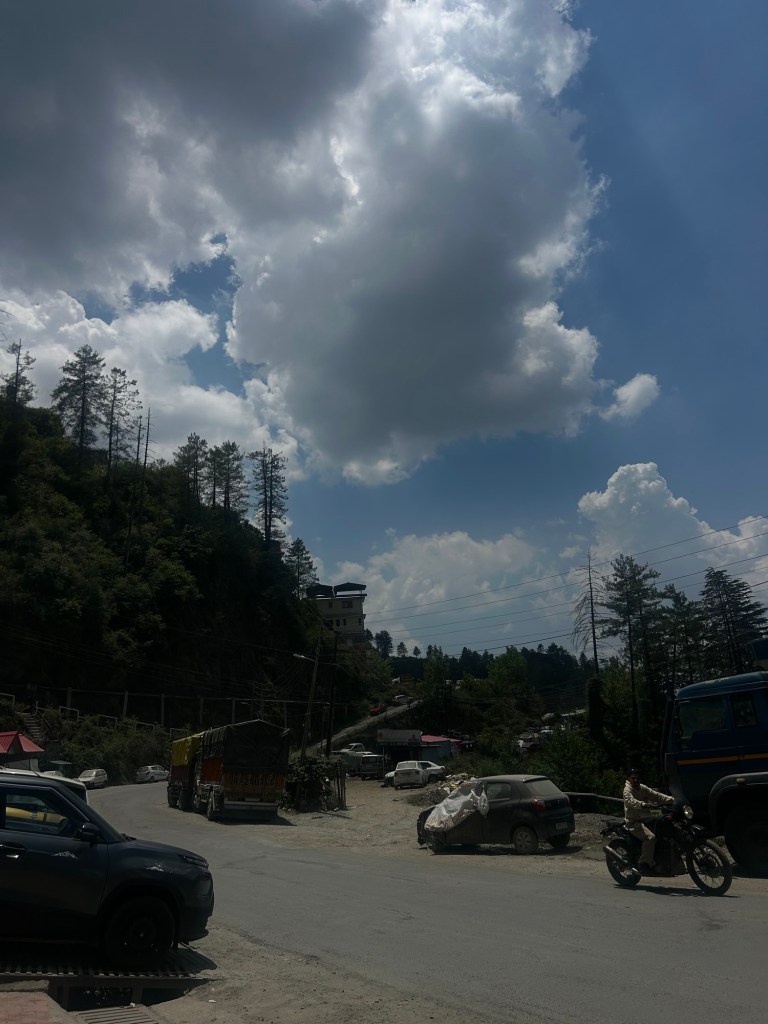
A van that didn’t want to go anywhere
The journey began in Shimla, and it began badly. The van the company had provided was not in proper condition, and there were several problems with it. We had to object and raise our concerns before anything was sorted out, and all of that took time.
Our original plan was to reach Chitkul on the first night. Instead, by the time we were moving properly, that plan was gone. We stopped for the night at Sarahan.

It was frustrating. You plan a trip for months, and on day one you are arguing about a vehicle. But it was also the first time the group had to deal with something together, and in a strange way, that helped.
A traffic jam, and a second try at Chitkul
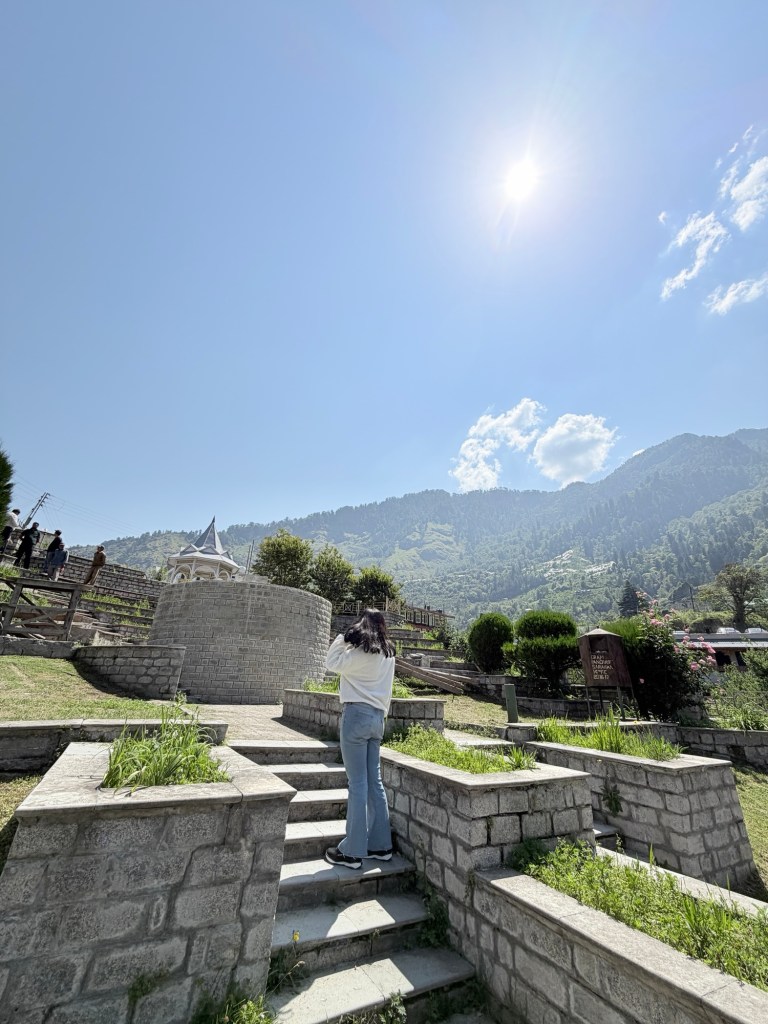
The next morning, we started out from Sarahan with the same hope we had carried the day before: maybe today would finally take us to Chitkul.
The road towards Kinnaur had its own little surprises waiting for us. One of our first stops was the Kinnaur Gate, a beautifully decorated gateway marking the entrance to Kinnaur district. Naturally, everyone wanted photographs. We stopped at a few more places along the way too, especially wherever the mountains and the river made it difficult to simply drive past.
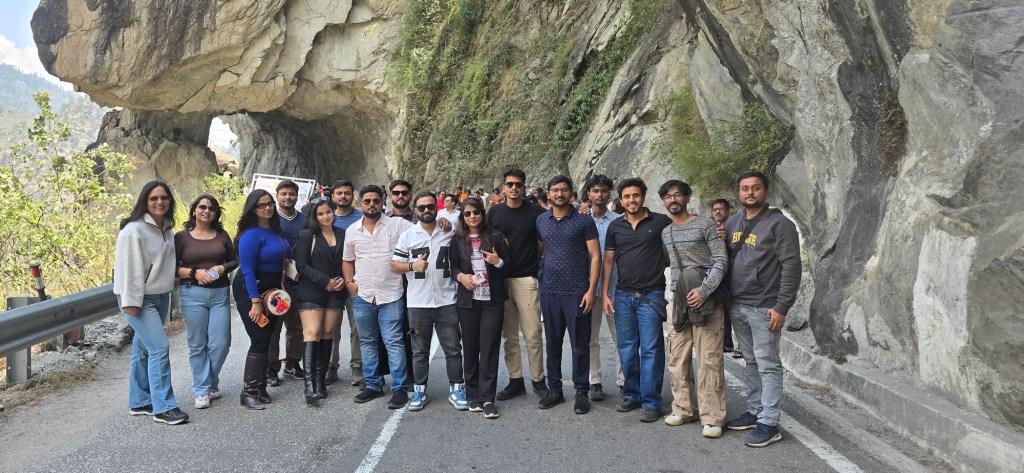
Somewhere between these little stops, something else began to change. The group, which had been a little caught up in the chaos of the previous day, was slowly warming up. Conversations started, people laughed, and strangers began feeling a little less like strangers.
But the road had another plan for us.
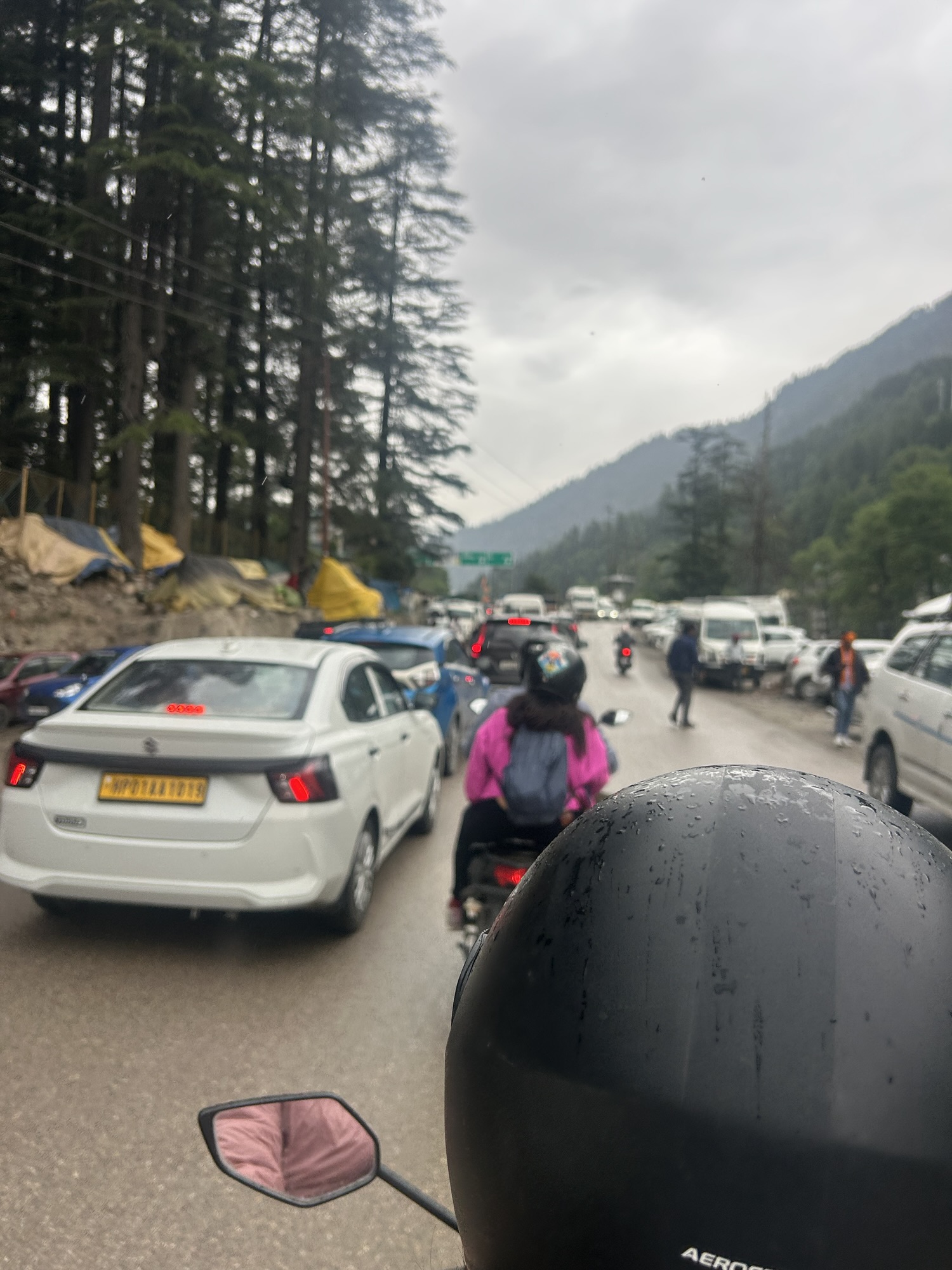
We soon found ourselves caught in a massive traffic jam. The queue stretched for nearly 10 to 15 kilometres, and getting through it could have cost us another three to four hours. We eventually made it past Sangla, but by then, continuing towards Chitkul would have meant reaching very late, well after dark.
After everything that had happened the previous day, it just didn’t make sense to push ourselves further. So, once again, Chitkul remained a little further away than we had hoped.
We soon found ourselves caught in a massive traffic jam. The queue stretched for nearly 10 to 15 kilometres, and getting through it could have cost us another three to four hours. We eventually made it past Sangla, but by then, continuing towards Chitkul would have meant reaching very late, well after dark.
On the way from Sarahan towards Chitkul, we kept stopping. The first proper stop was the Kinnaur Gate, the big decorated gateway on the highway that marks where Kinnaur district begins, and of course everyone got out for photographs. We paused at a few more spots along the way too, wherever the river and the mountains looked too good to drive past. Looking back, those small stops were the first time the group started to loosen up and actually talk to each other.
We hit a huge traffic jam. The queue stretched for something like ten to fifteen kilometres, and we could have got stuck for around three to four hours. We eventually crossed Sangla, but by then it was clear that pushing on to Chitkul would mean arriving very late, after dark, with our stay arrangements already disturbed. So the decision was made: no Chitkul. Again.
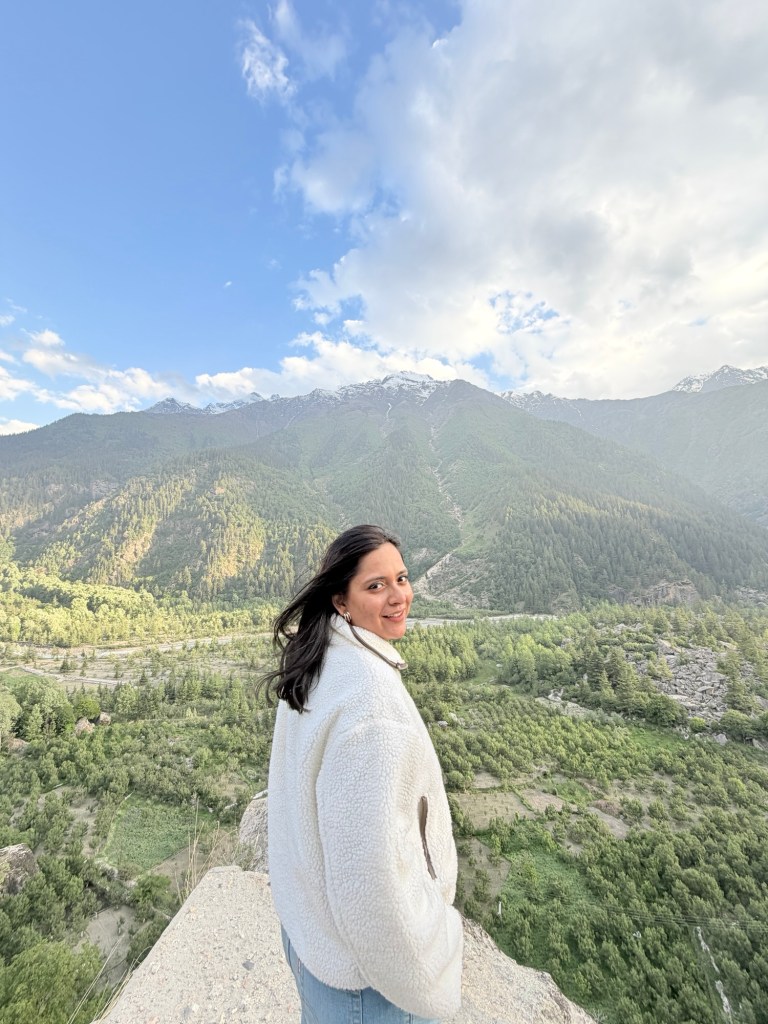
Two days, two different problems, one place we never reached.
The half hour on top of the van
Somewhere after that decision, we stopped at a viewpoint. There was a river below, the valley opening up around it, and mountains in every direction.
Everyone got out. Somebody started music. A few people climbed on top of the van, others stood around it, and before I really understood what was happening, everyone was dancing. Disha and I too.
✎ VIDEO SLOT 01 — van dancing at the viewpoint (keep it short, add a one-line intro)
We danced for about half an hour. These were people I had known for barely two days. I didn’t know if I would ever meet any of them again after the trip. Maybe that was exactly why it felt so free. Nobody was worried about how they looked or what anyone else was thinking. The plan had changed, but we were here, together, so we might as well enjoy it.
The plan had changed, but we were here, together. So we danced.
I didn’t realise it then, but that was the moment the trip stopped being the trip on the itinerary and started becoming something else.
The Places Between the Plans
A simple stay in Reckong Peo
Because we couldn’t reach Chitkul, the organisers arranged a different stay for us in Reckong Peo. It was a basic, PG-style place, old and simple. Not at all what we had imagined when we booked.
But the woman who ran it made it feel completely different. She managed the place with her family: her daughter, her sister-in-law and the children. She was kind and welcoming, and she fed all of us at night and again in the morning. After two days of vans and traffic, a warm meal from someone who genuinely seemed happy to have us mattered more than any fancy room would have.
She also told us about Kalpa. She said it was beautiful and deserved a trip of its own. We didn’t go, but I’ve kept that suggestion with me.
✎ PHOTO SLOT 02 — the Reckong Peo stay or the family’s home (only if appropriate to show)
Fifty students at midnight
Late that night, somewhere around eleven or midnight, I noticed a library nearby. The lights were on. Inside, around fifty students were sitting and studying, preparing for NEET.
I stood there for a moment. We were tourists passing through, thinking about viewpoints and photographs. These students were living their everyday lives in the mountains, studying late into the night, working towards their futures. It’s one of those images that stays with you, because it has nothing to do with sightseeing and everything to do with the place.
✎ PHOTO SLOT 03 — library at night (only if no student is identifiable)
Kailash peaks and children on their way to school
The next morning was beautiful. The snow-covered Kailash peaks were right there in front of us. Children were walking to school, and the whole place had a quiet, peaceful feeling.
Disha and I took photographs, of course. We also watched a few bikers getting ready to leave and ended up talking about learning to ride a motorcycle ourselves. Maybe a Leh trip someday. It’s funny how one trip starts planning the next one before it’s even finished.
✎ PHOTO SLOT 04 — Kailash peaks in the morning (wide)
Khab Sangam, where two rivers meet
From Reckong Peo, we drove on towards Spiti. Our first stop was Khab Sangam in Kinnaur, the point where the Spiti river meets the Sutlej.
It was a short stop, but I loved it. Disha and I climbed down near the water and stood on the rocks for photographs. Two rivers joining, mountains all around, and the two of us trying to balance on rocks for the perfect picture.
✎ PHOTO SLOT 05 — you and Disha by the river / on the rocks at Khab Sangam
Nako, cricket and Siddu
Nako was full of small moments. There was the lake, the monastery and the village around it: old stone houses, narrow lanes, prayer flags, cattle and yaks, and little shops tucked into corners.
✎ PHOTO SLOT 06 — Nako Lake (wide)
The local women were so sweet and welcoming. Near the prayer wheels, I spent some time with an elderly woman. I don’t remember the conversation word for word, and I won’t pretend I do, but I remember how warm she was.
✎ VIDEO SLOT 07 — you with the elderly woman near the prayer wheels (short clip)
Then I saw some local children playing cricket. I asked if we could join, and they let us. Disha and a few others from the group joined in. It was such a simple thing, playing cricket with kids in a mountain village, but it was one of my favourite parts of the whole trip. For a few minutes, we weren’t tourists looking at Nako. We were just part of an evening game.
✎ VIDEO SLOT 08 — cricket with the local children
I also tried Siddu here for the first time, the Himachali steamed wheat bread that’s usually stuffed. I really, really liked it.
✎ PHOTO SLOT 09 — Siddu
Gue, and the monk in the glass case
After Nako, we turned off to Gue (also written Giu). The monastery there is a red building, painted in bright Tibetan Buddhist colours and strung with prayer flags.
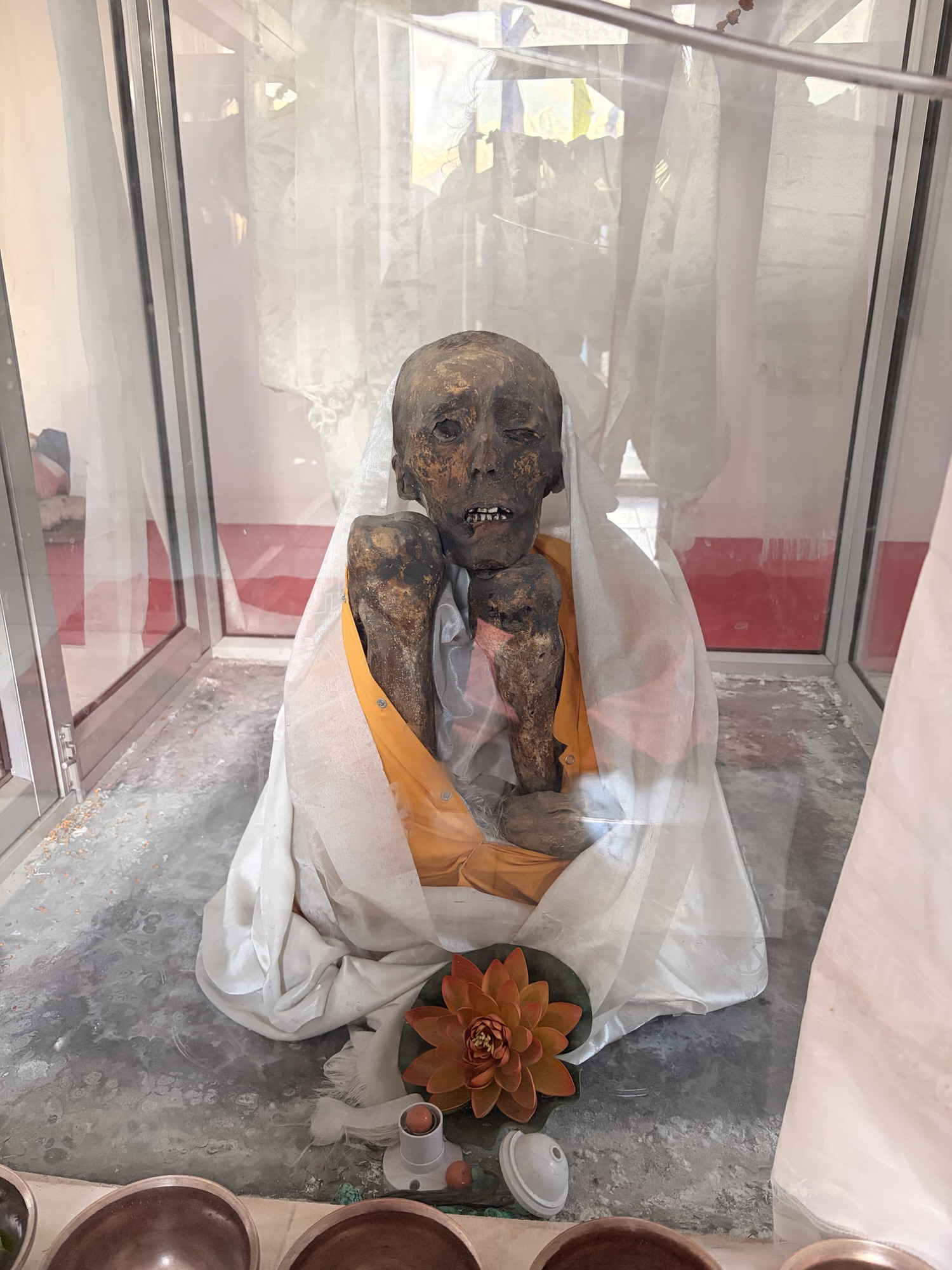
Inside a shrine is the preserved body of a monk, identified on the information board as Sangha Tenzin. He is seated, kept in a glass case. Different sources tell different stories about when and how the body was found, and how old it is, but it is generally described as centuries old. Seeing it in person was very different from reading about it.
✎ PHOTO SLOT 10 — Gue Monastery exterior
Something else I remember from Gue: we got talking with a local woman and found out that her daughter worked in our hometown. And some of our phones started picking up a Chinese network and showing China’s time, even though we were very much on the Indian side. A small, strange reminder of how close the border is.
Passing through Tabo
From Gue, the road took us on through Tabo. We didn’t stop for long, only passed through, but I’m glad it was part of the route. Tabo is home to one of the oldest Buddhist monasteries in the Himalayas, generally dated to 996 CE and associated with the scholar Rinchen Zangpo. Its mud-walled buildings sit low in the valley, very different from the hilltop monasteries we’d see later. We only saw it from the road this time, which is exactly why it has gone on my list for the next trip.
✎ PHOTO SLOT 11 — Tabo from the road, if you have one
The Roads That Took Us Higher
The next day took us to some of the highest places I’ve ever been.
Komic
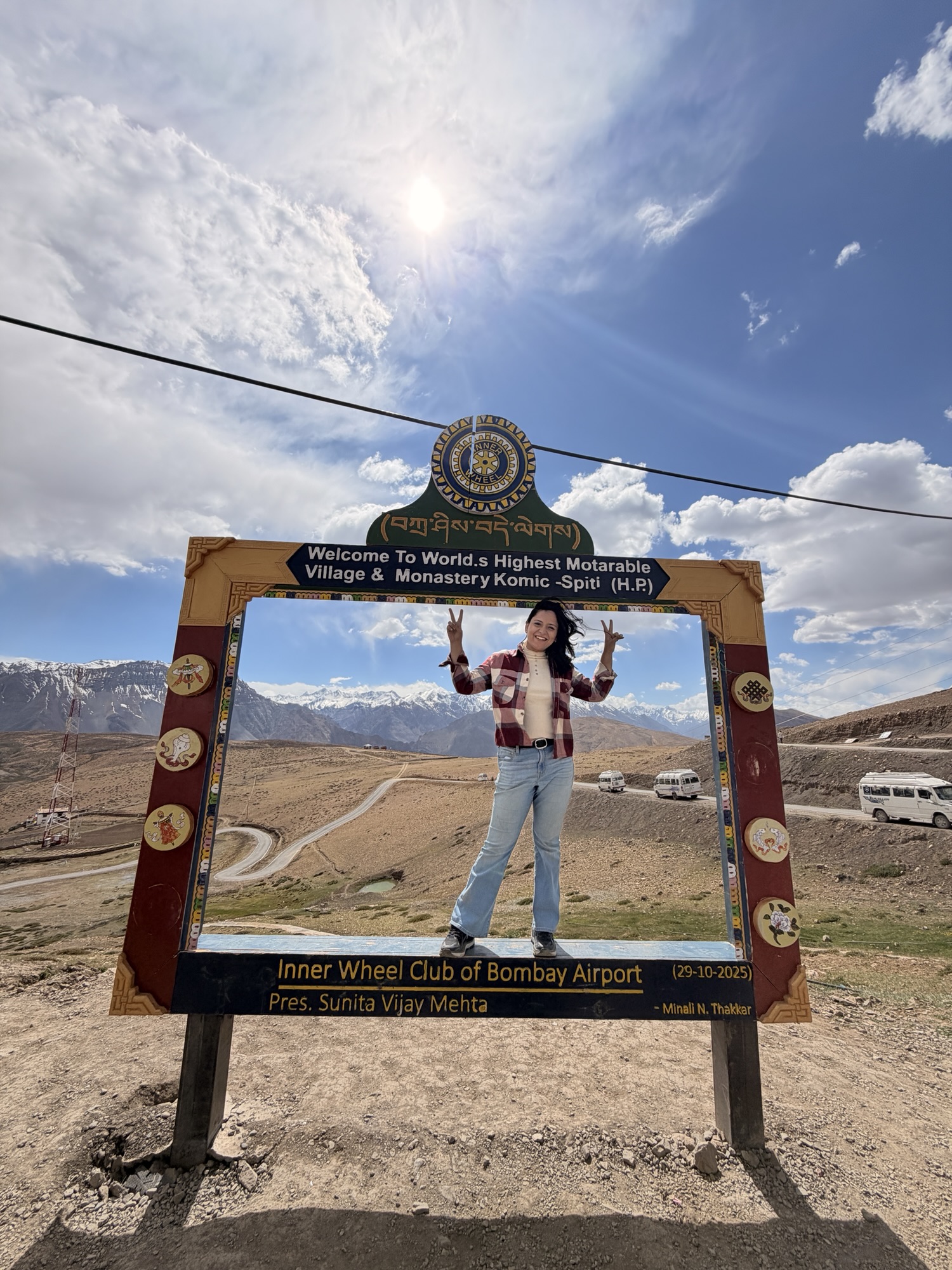
We went to Komic first. The welcome sign there describes it as the world’s highest motorable village with a monastery. Whatever the record books say, standing there it certainly felt high. What I loved most was the road itself: winding, open, with mountains stretching in every direction.
✎ PHOTO SLOT 12 — the road and views around Komic
Hikkim
Next was Hikkim, home to a post office that is often described as one of the highest in the world. It has been running since 1983, and it closes in winter when snow cuts the village off.
I bought postcards and posted them from there. In a world where every message reaches someone in seconds, there was something lovely about writing by hand and knowing it would take its own slow route down the mountains.
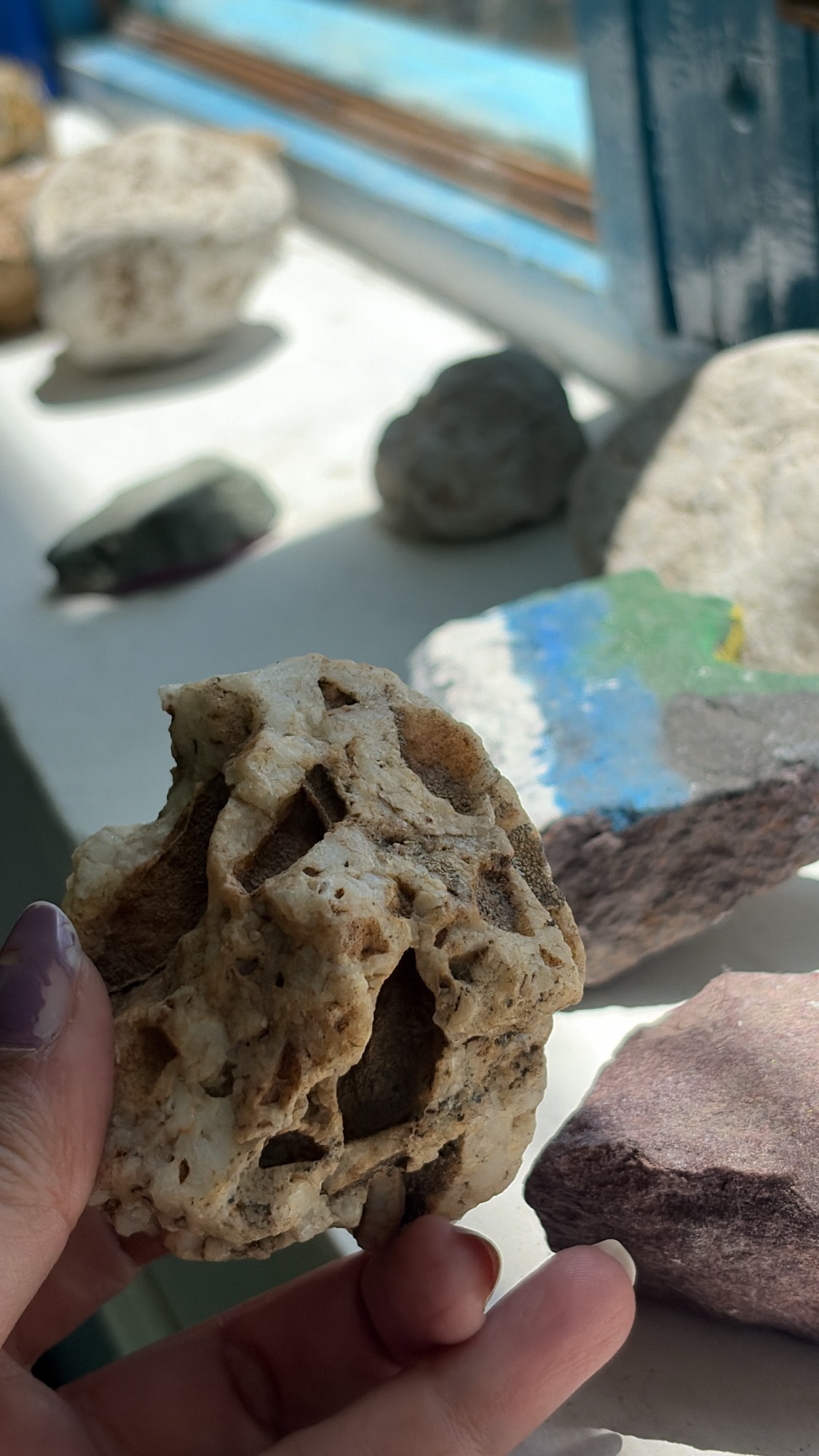
✎ PHOTO SLOT 13 — Hikkim Post Office welcome sign
Key Monastery
Then came Key Monastery, perched on its hill. Of everything on this day, this was the one I had been most excited about, and it was amazing. We walked up through the entrance and along the path around it, and the views all around were just as special.
✎ PHOTO SLOT 14 — Key Monastery from a distance (wide)
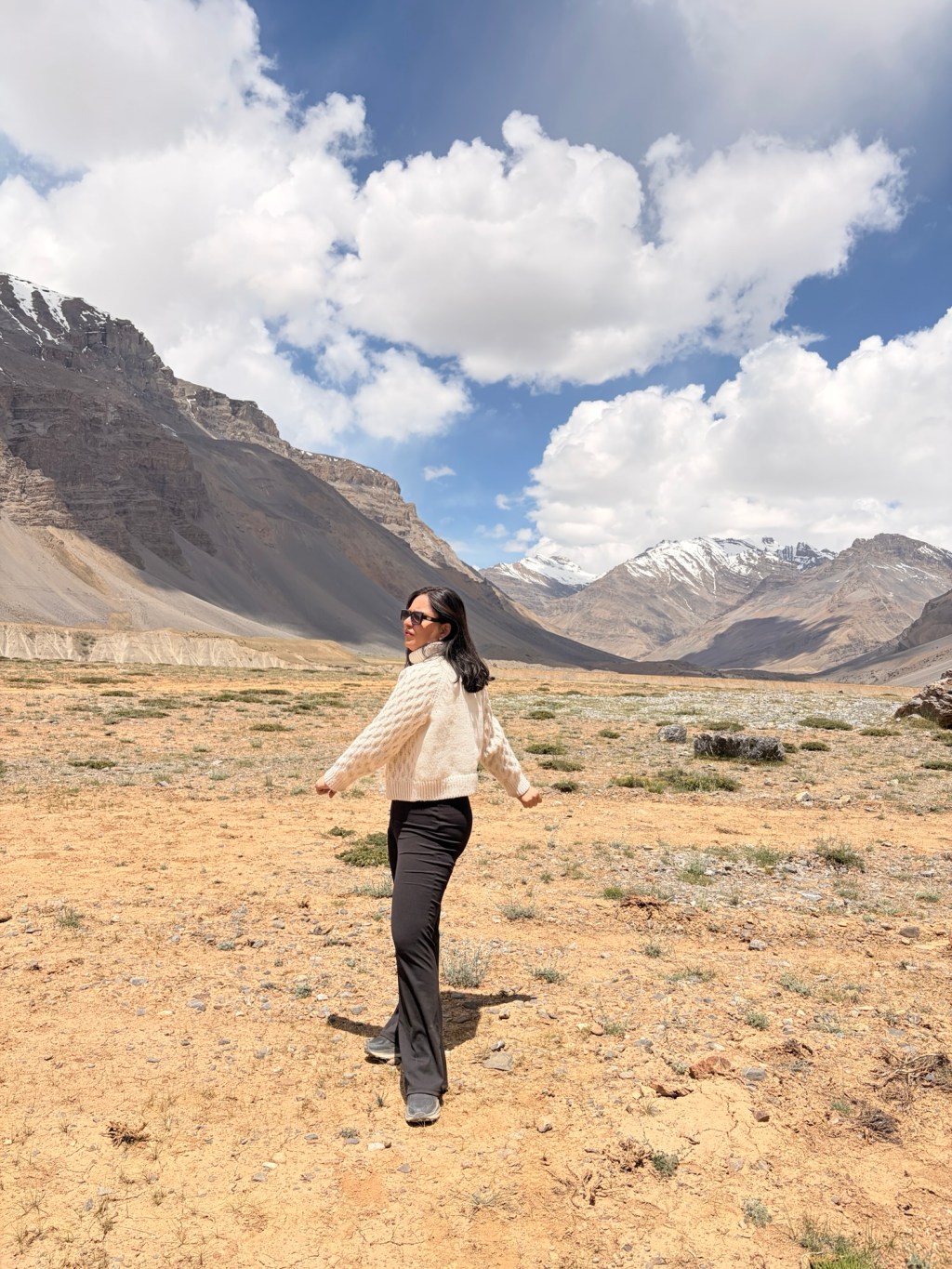
Chicham Bridge
Our last big stop of the day was Chicham Bridge, which is often described as one of the highest bridges in Asia. Looking down into the gorge beneath it is not for anyone nervous about heights.
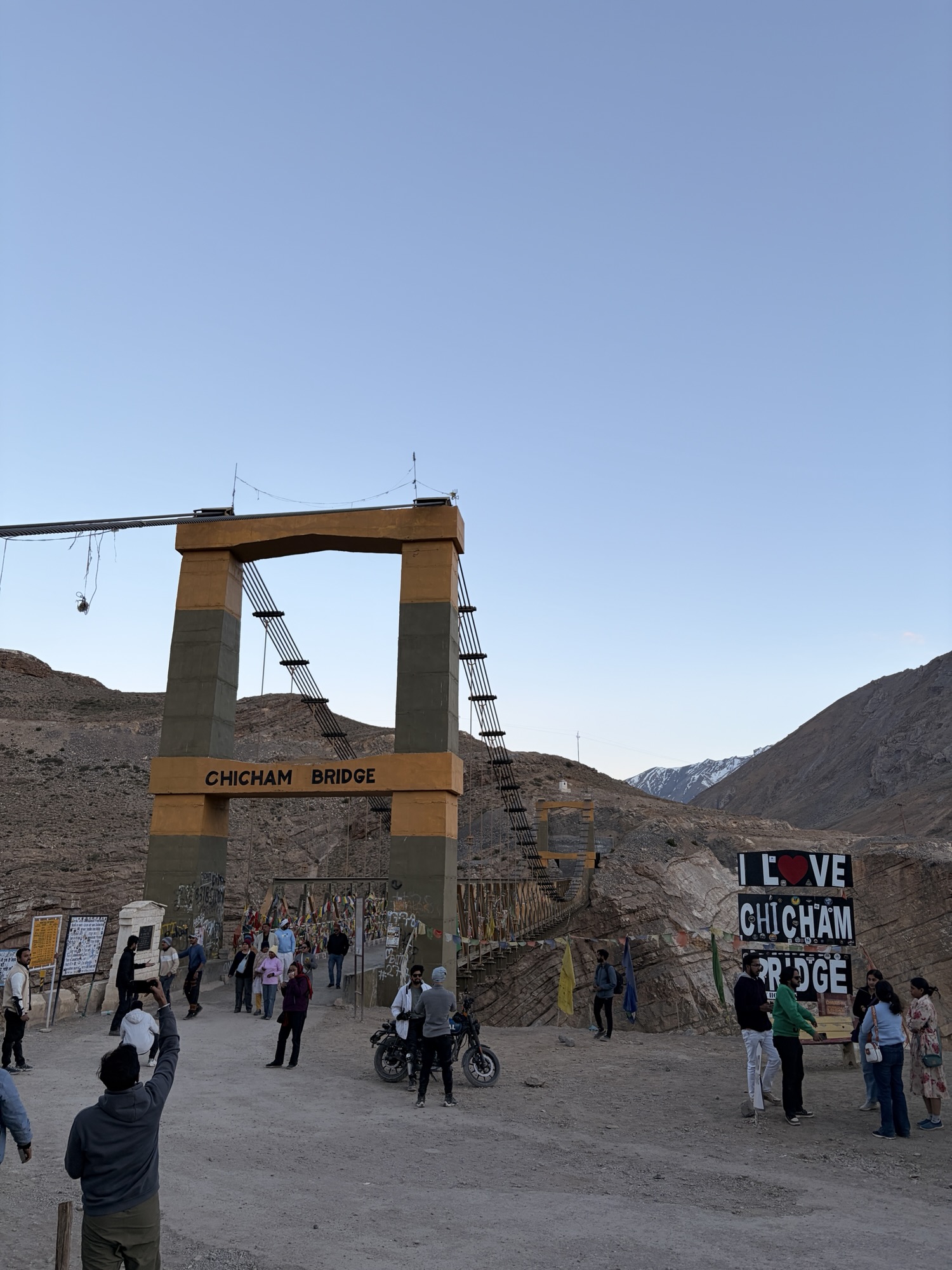
✎ PHOTO SLOT 15 — Chicham Bridge entrance sign
The People Who Showed Up
A sky full of stars
That night, we stayed in a village close to Chicham. I don’t remember the village name, but I remember the stay as very good, and the local people as very sweet.
The group was split across different homestays. Mine had me, Disha, a couple and three friends from South India. Two solo travellers stayed nearby; our trip captain was meant to be with them that night.
When it got dark, we went out to look at the sky. I had never seen anything like it. There were so many stars, and we could actually see the Milky Way. We stood outside, stargazing, pointing things out to each other, completely wrapped up in it.
✎ PHOTO SLOT 16 — night sky / Milky Way (wide)
✎ PHOTO SLOT 17 — the homestay or the group that evening
2 am
Around two in the morning, Disha woke up with a heavy head and started to feel worried. I was with her. There was no oxygen cylinder in our room, and the mobile network was so poor that I couldn’t reach most of the group.
One of the South Indian travellers in our homestay had network. I called him at 2 am. He came straight away, went and knocked on the door of a neighbouring family, and came back with an oxygen cylinder. Then I managed to reach one of the solo travellers staying nearby. He arrived with electrolytes, medicines and whatever else he had with him.
They both stayed and helped. Slowly, Disha settled down and fell asleep. Eventually, so did I.
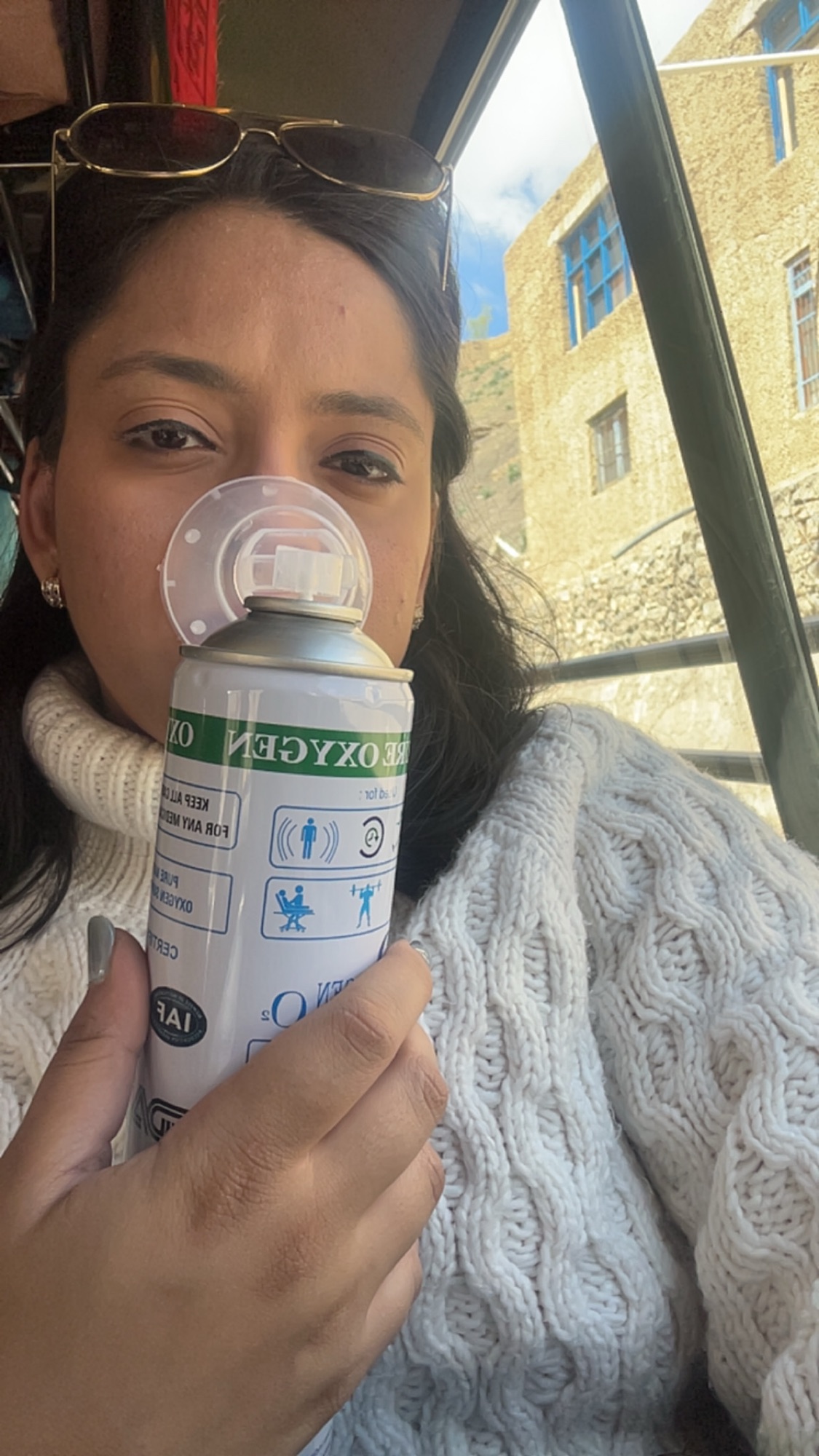
In the morning, everyone was okay, and the village looked beautiful in daylight, as if nothing had happened.
I think about that night a lot. Two people who had been complete strangers a few days earlier got out of bed at 2 am and came to help without a second thought. That, more than anything, is what the group became.
Two people who had been strangers a few days earlier came at 2 am, without a second thought.
A note, honestly: I’m not a doctor and I don’t know exactly what Disha was going through that night. The help we got was kind, but an oxygen cylinder from a neighbour is not medical care. If you or someone you’re with feels unwell at high altitude, take it seriously and get proper medical help.
A puncture with a view
The next day, as we left the village, the van got a flat tyre. While it was being fixed, we were stuck on the roadside, and the view around us was so beautiful that nobody minded. The girls did what we do best: turned the waiting time into a photoshoot.
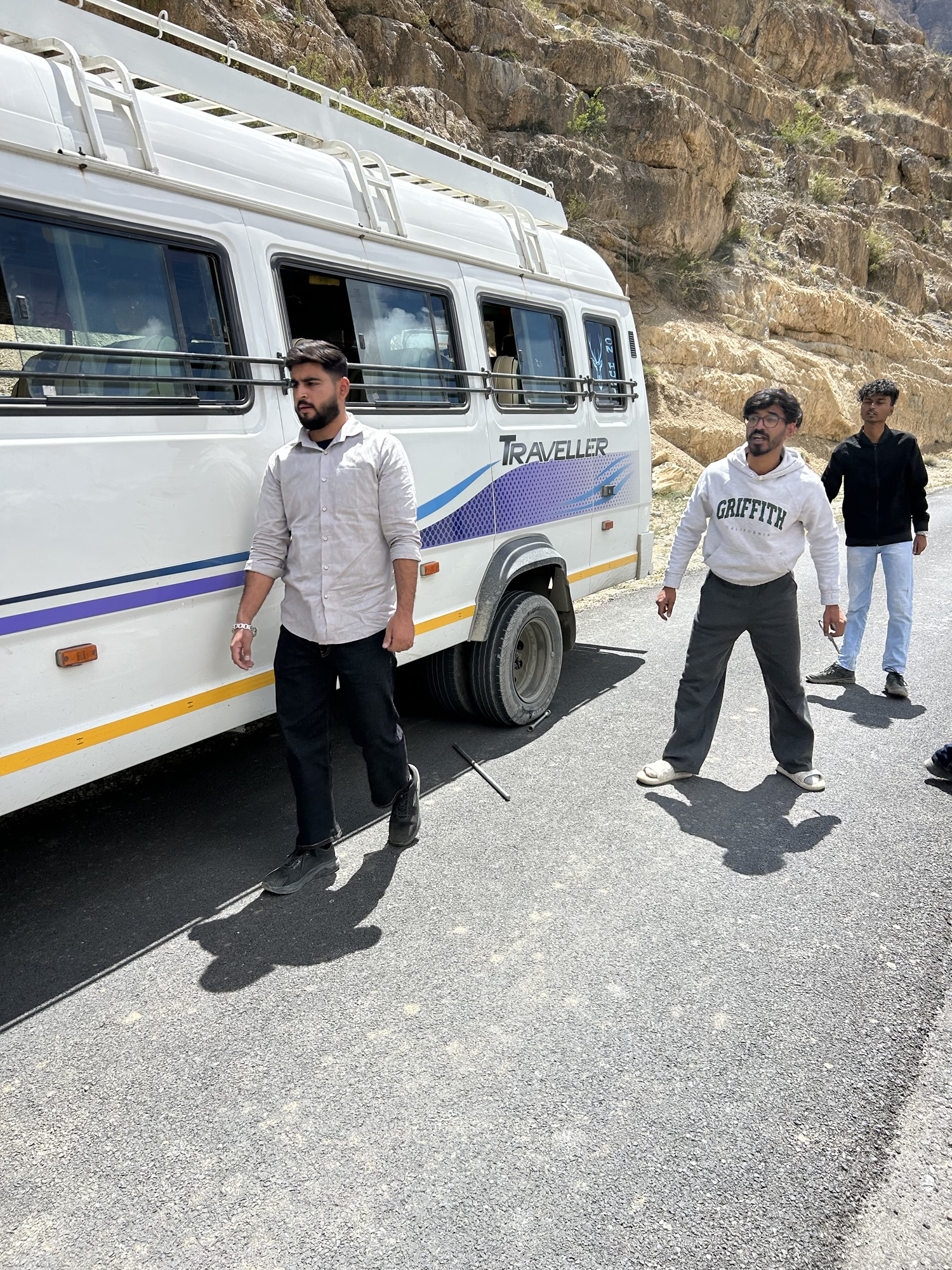
✎ PHOTO SLOT 18 — photos clicked during the puncture stop
A Night at the Edge of the Mountains
Kunzum Pass and the first snowfall of my life
Then came Kunzum Pass, which connects Spiti with Lahaul. At the top, there were prayer flags, small chortens and a shrine, with snow-covered mountains all around.
And then it started to snow. Very lightly, just a few flakes. It was the first snowfall of my life.
Disha and I got out of the van and just stood in it, so happy, taking photographs and enjoying every second. It wasn’t heavy snow at all, but I didn’t care. It was snowing, and I was there.
Getting back into the van, I was so excited that I hit my nose when the door closed suddenly. Not the souvenir I’d planned, but it didn’t take the smile off my face.
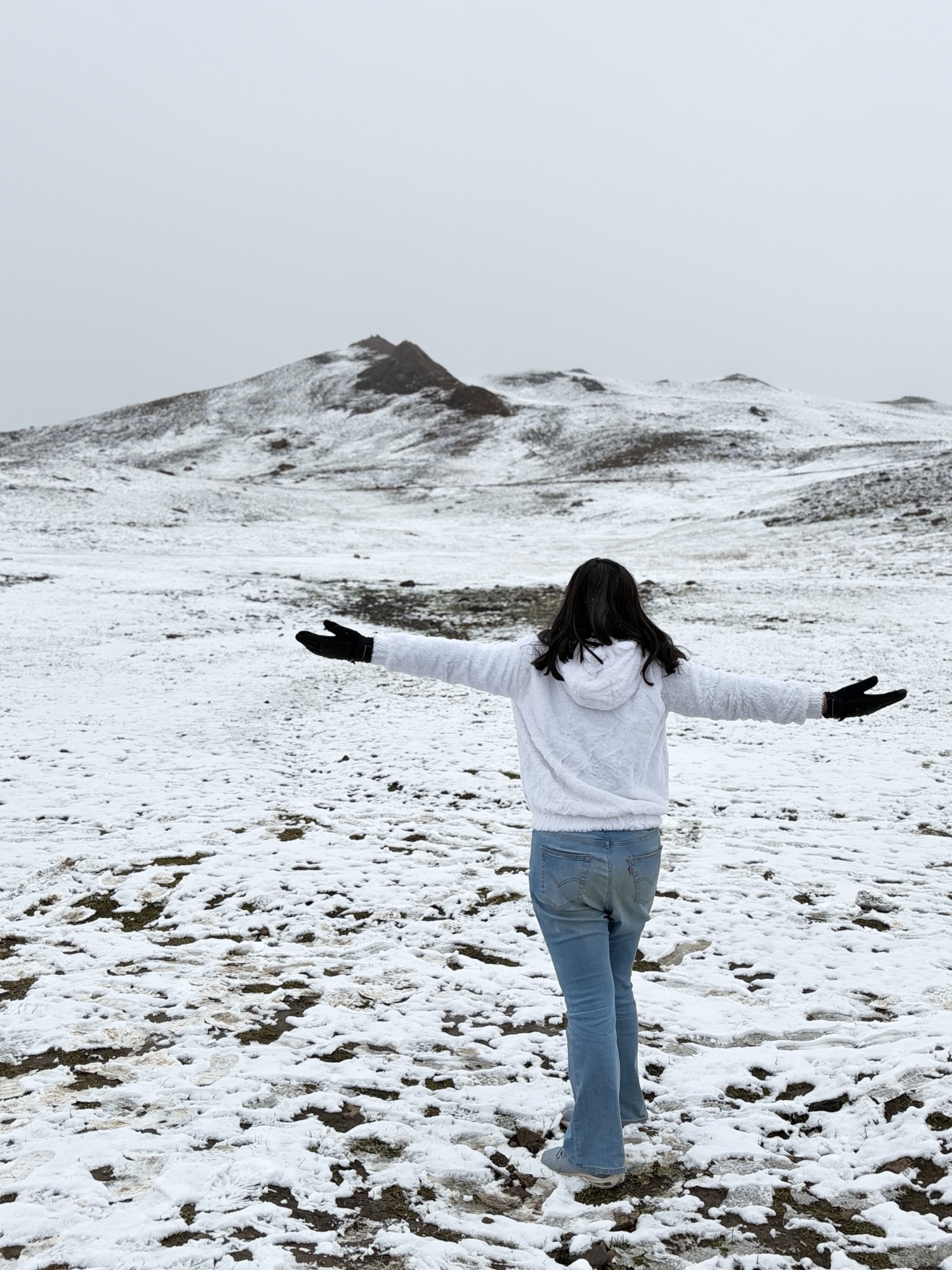
✎ VIDEO SLOT 19 — light snowfall at Kunzum
✎ PHOTO SLOT 20 — you and Disha by the prayer flags
The little café and the guitar
After Kunzum, we stopped at a little café. It had a rustic feel: low seating, prayer flags and photographs on the walls, wooden seats and an outdoor area. It was crowded, and honestly, the food wasn’t great, probably because there were so many of us. But the Maggi? Very good.
Our trip captain brought out his guitar, and the whole café turned into a little music session. Bad food, great Maggi, lovely atmosphere. That’s mountain travel in one line.
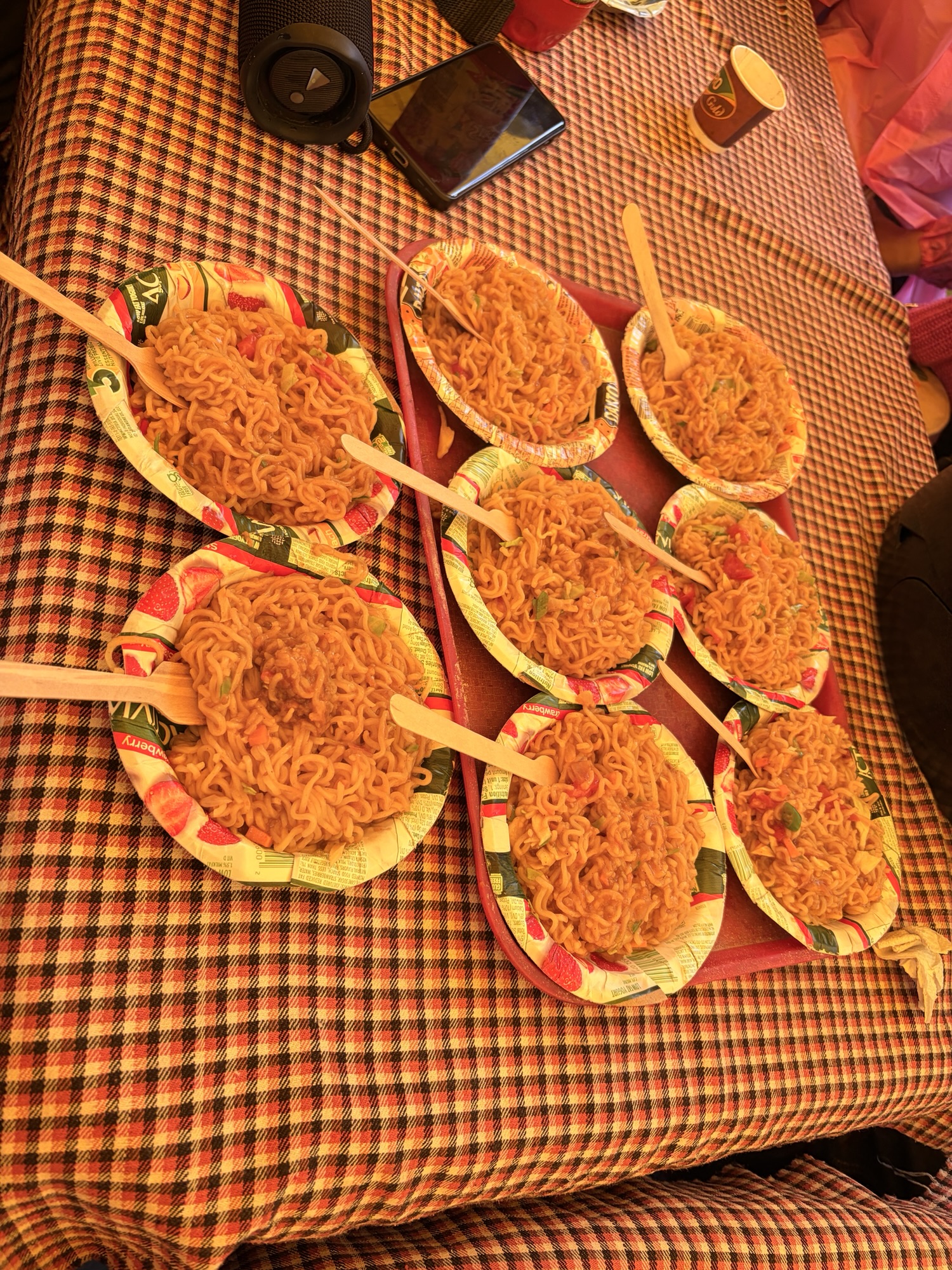
✎ PHOTO SLOT 21 — the café interior
✎ VIDEO SLOT 22 — trip captain playing guitar
Tenzin Camp, Batal
That evening, we reached Tenzin Camp in Batal: white tents, mountains on every side and a row of Royal Enfields parked nearby.
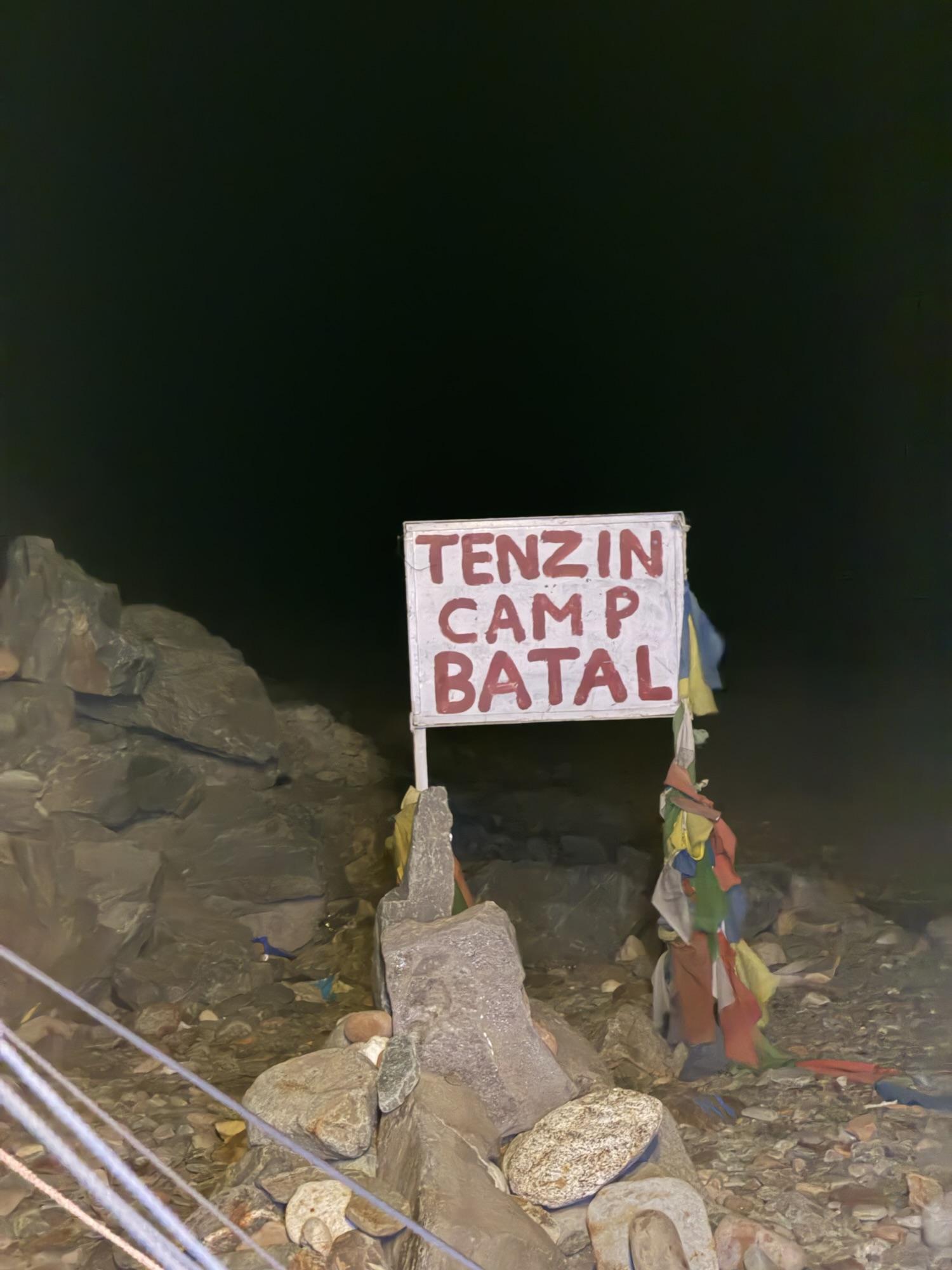
✎ PHOTO SLOT 23 — tents and motorcycles
At night, there was a bonfire. The guitar came out again, people sang, music played, everyone danced, and we ate together. This was one of the best evenings of the entire trip. The same people who had been strangers in Shimla were now sitting around one fire, completely comfortable with each other.
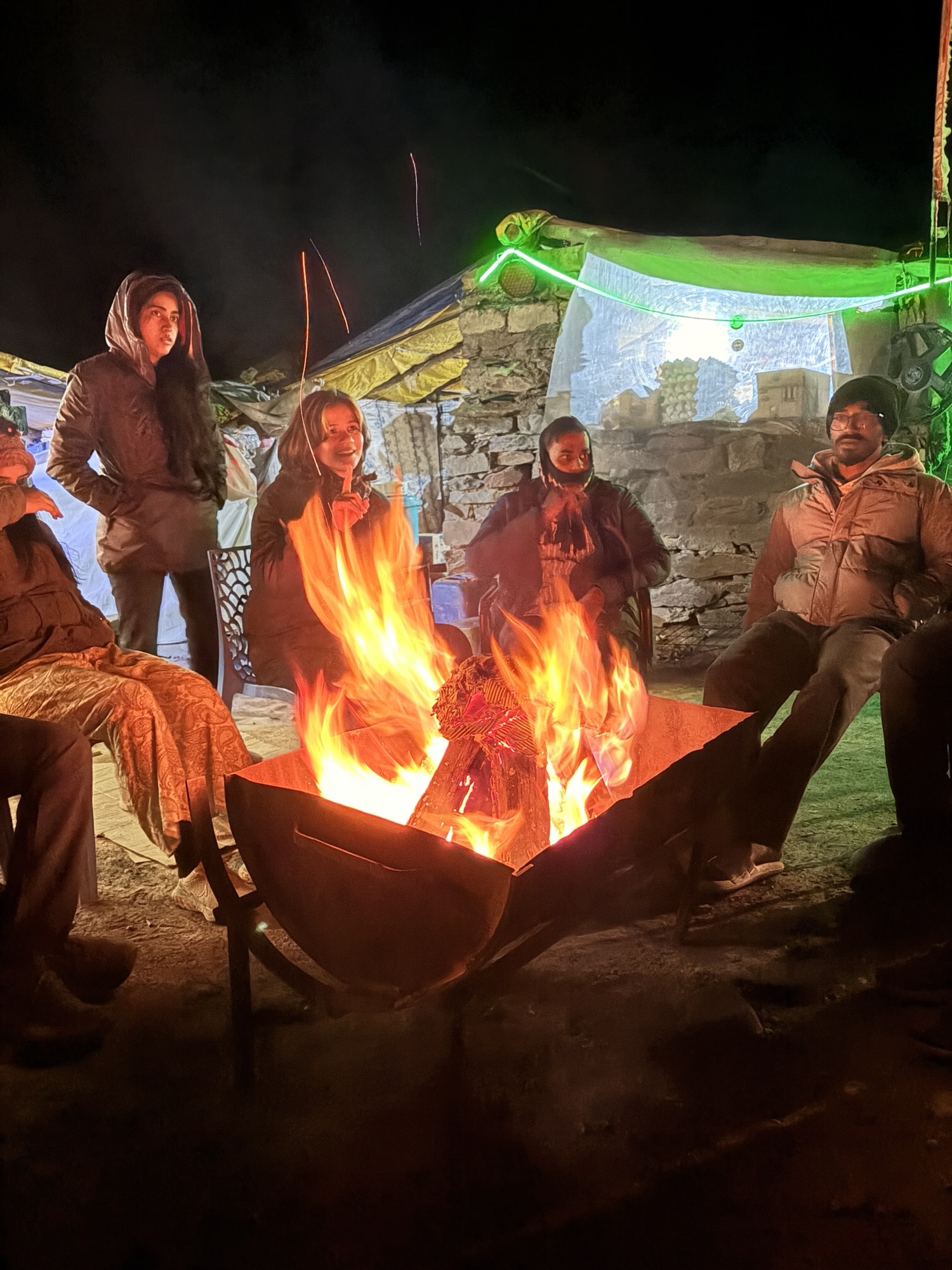
✎ VIDEO SLOT 24 — bonfire and guitar jamming
A snowy morning with sheep
We were told to wake up early so we could reach Chandratal on time. Getting out of bed that morning was genuinely the hardest task of the trip.
But when I stepped outside, it had snowed. There were sheep everywhere around the campsite, and the whole landscape looked unreal. After the warmth of the bonfire the night before, this cold, quiet, white morning felt like a different world. It’s one of my favourite mornings of the whole journey.
✎ PHOTO SLOT 25 — you in the snow at camp
✎ VIDEO SLOT 26 — snowy morning with sheep
The snowy trail to Chandratal
If Kunzum gave me my first snowfall, the walk to Chandratal gave me real snow.
There was snow on the ground all along the way. I kept stopping to touch it. Disha and I took so many photographs: me crouching in the snow, me standing with my arms wide open, both of us just grinning.
✎ PHOTO SLOT 27 — crouching in the snow (trail, not the lake)
✎ PHOTO SLOT 28 — arms open on the trail
✎ VIDEO SLOT 29 — walking the snowy trail
Chandratal
And then we reached the lake.
Visiting Chandratal was exceptionally different from anything else on the trip. Up to then, Spiti had been about roads, villages, monasteries and people. This was something else entirely.
The water was a clear, deep turquoise, the kind of colour you assume has been edited until you see it for yourself. All around it, the mountains rose up white with snow, and the lake sat in the middle of them like it had been placed there carefully. There were no buildings on its shore, no shops, nothing competing with it. Just the water, the snow and the sky.
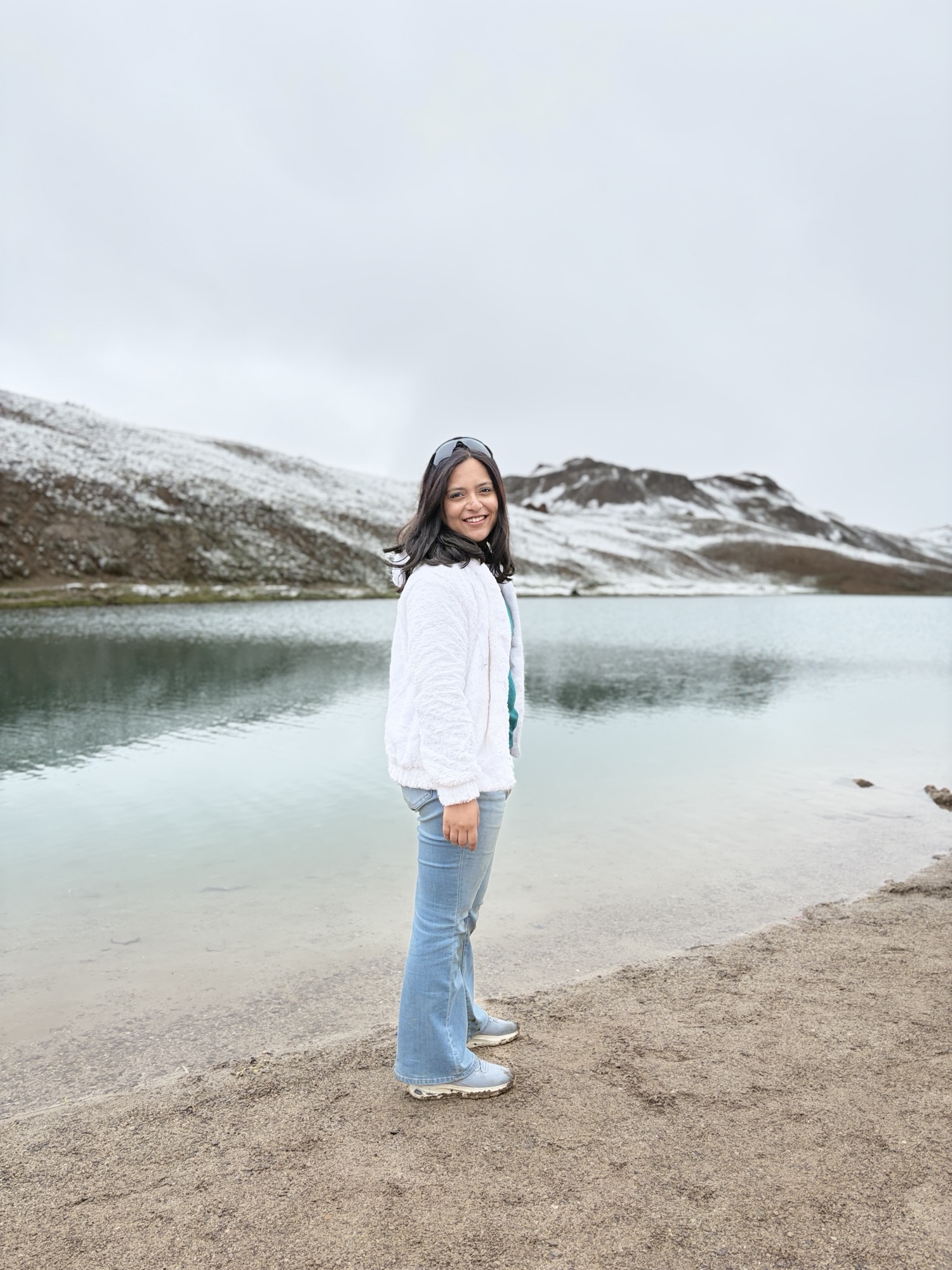
I walked down to the shore and stood near the water, just looking. After all the noise of the trip, the music in the van, the bonfire and the dancing, it felt like a completely different world. Disha and I took photographs, and I took a selfie with the lake behind me, which, looking at it now, really doesn’t do it justice. Some places simply refuse to fit inside a phone screen.
✎ PHOTO SLOT 30 — you at the shore / selfie with the lake
✎ VIDEO SLOT 31 — the lake (short clip)
Some places simply refuse to fit inside a phone screen. Chandratal is one of them.
Chandratal is a protected high-altitude wetland, recognised as a Ramsar site since 2005, and it sits at over 4,300 metres. It’s a place that deserves care from everyone who visits.
Chacha and Chachi
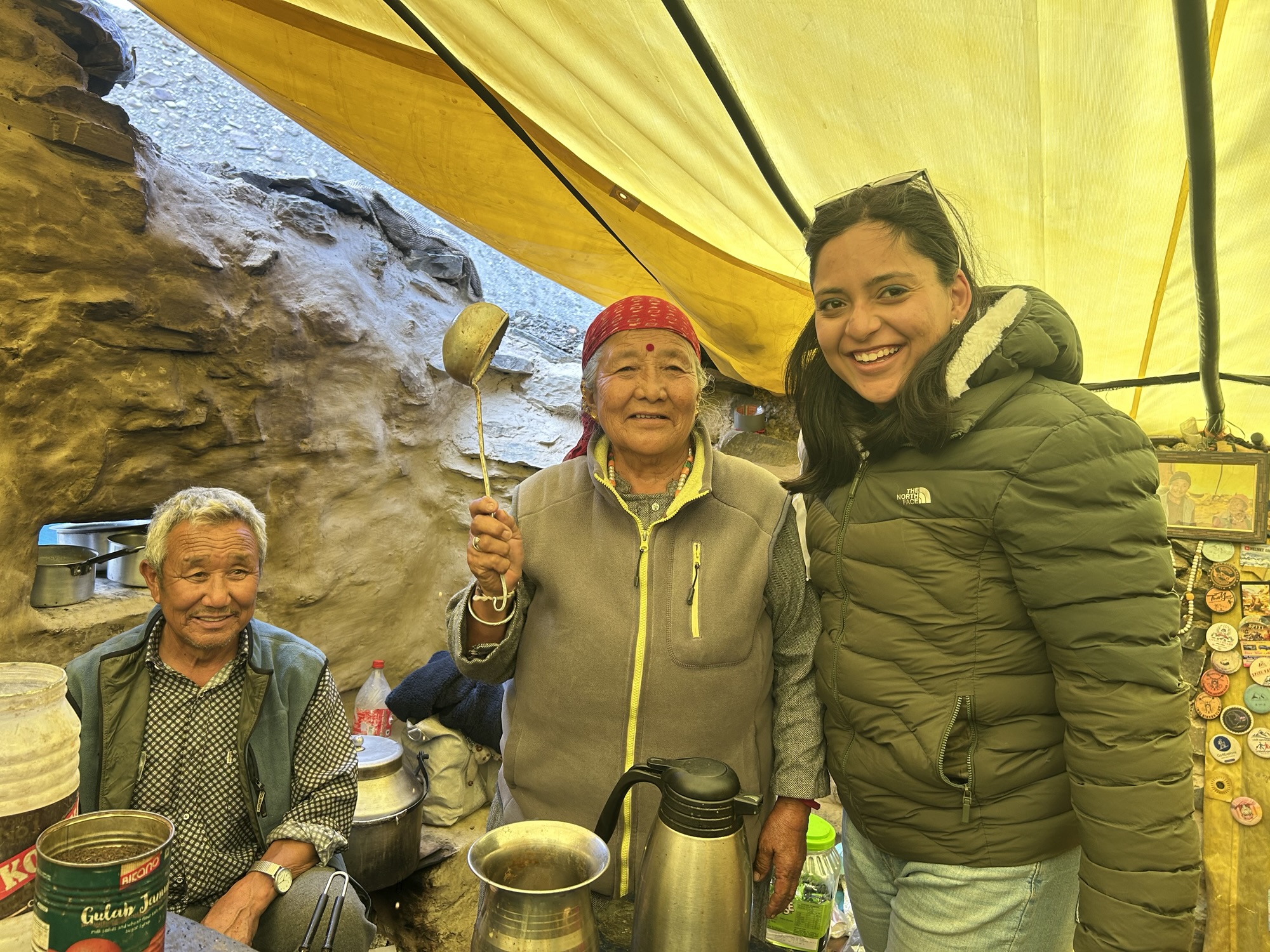
On the way back, we stopped at Chacha Chachi Dhaba in Batal, also known as Chandra Dhaba. If you’ve read anything about the road to Chandratal, you’ve probably heard of it. There are very few places to eat in this stretch, and this little dhaba has been feeding travellers for decades.
We met the elderly couple who run it, and they were adorable. So sweet. We took a photograph with them.
✎ PHOTO SLOT 32 — the dhaba itself
What I learned later is how much this couple has meant to people travelling here. Reports describe them sheltering stranded travellers when weather and floods have cut off the area, including during the 2023 monsoon floods. Many travellers simply know them as Chacha and Chachi, and after meeting them, I understand why.
The Road Back Wasn’t the End
No network, all music
The drive from Batal towards Manali was long. We reached at night. And it was one of the best parts of the whole journey.
There was almost no mobile network, so nobody was scrolling. There was music in the van, and people sang and danced in their seats, talked, laughed and teased each other. The group that had quietly sat in that van in Shimla was now the loudest, happiest version of itself. Nobody had planned it that way. The mountains just didn’t give us a signal, and we ended up with each other instead.
✎ VIDEO SLOT 33 — music inside the van
The mountains didn’t give us a signal, so we had each other instead.
Manali at night was all lights, scattered across the hillside. After days in the high, quiet valleys, it felt almost like a city.
✎ PHOTO SLOT 34 — Manali at night
Rain, a Scooty and Anjani Mahadev
The next day, a few of us decided to trek to Anjani Mahadev. It was raining, and we didn’t have a vehicle. So we found a scooter-rental shop near the hotel, and I rented a Scooty. Others in the group did the same.
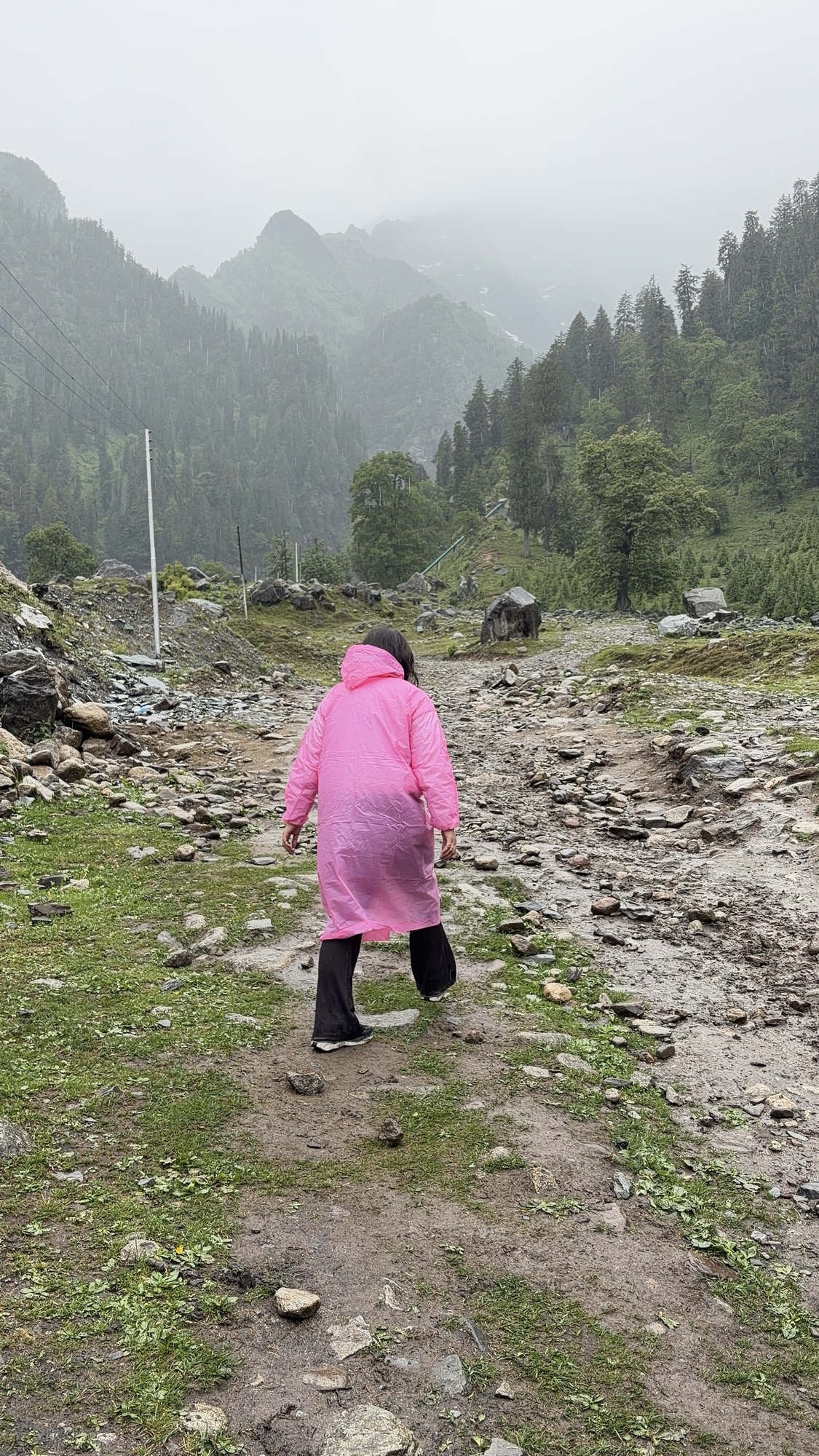
We rode out towards Anjani Mahadev in our raincoats, mine bright pink. Before starting the trek, we stopped in the valley for momos, Maggi and tea, which tasted ten times better because of the rain.
Then we walked the rocky trail, stopping to pose in the green, wet landscape, and completed the trek.
✎ PHOTO SLOT 35 — scooter group
✎ PHOTO SLOT 36 — pink raincoat on the trail
✎ PHOTO SLOT 37 — momos, Maggi and tea
✎ VIDEO SLOT 38 — the scooter ride or the trek
Magnets, luggage and the bus home
Afterwards, we rode back towards Manali, explored the road and the town, and I picked up a few souvenirs, mostly magnets. I enjoyed that last evening slowly. Then it was back to the hotel to collect our luggage, and onto the bus to Chandigarh.
✎ PHOTO SLOT 39 — souvenirs / last Manali evening
What I Brought Back
People ask me what the best part of Spiti was, and I never have a neat answer.
We never reached Chitkul. The van broke our first plan and a traffic jam broke the second. There was a night I was scared for my friend. But there was also a half hour of dancing on a van with people I barely knew, a cricket game with children in Nako, a postcard posted from Hikkim, my first snowfall at Kunzum, a bonfire at Batal, and a long drive to Manali with no network and everyone singing.
On that trip, I wasn’t worrying about whether I’d meet these people again, or what they thought of me, or whether everything was going perfectly. I was just there, living it. I felt free, a little adventurous and completely myself.
That’s why I want to go back to Spiti. Not to tick the same places off a list, but to feel like that again.
— Mahek. ♡
Planning a Spiti Valley Road Trip? Here’s What to Know
Below is general information, separate from my personal story. Roads, weather, permits and camping change every season, so always check current official information before you travel.
Two ways in. Most Spiti Valley road trips use one of two routes: from Shimla through Kinnaur, entering Spiti near Sumdo and passing Nako and Tabo (the way we went in), or from Manali over Atal Tunnel, Batal and Kunzum Pass (the way we came out). Many people do a loop like ours.
Kunzum and the Manali side are seasonal. Kunzum Pass, which links Lahaul and Spiti, closes for several months every winter because of snow and usually reopens in late spring or summer. Don’t assume the Manali route is open. Check the Lahaul & Spiti district road status page before you go.
Chandratal is very high. The lake sits above 4,300 metres and is a protected Ramsar wetland. Camps near it are seasonal and rules around camping can change; check with Himachal Tourism or local authorities.
Expect delays. From my own trip: a vehicle problem cost us our first plan and a traffic jam cost us the second. Build in buffer time, and check your vehicle’s condition before you leave.
Plan for no network. We had little or no signal at the village near Chicham, at Batal and on the drive to Manali. Download offline maps, tell family your plan, and don’t rely on calling for help.
Food and fuel are limited on some stretches, especially around Batal and Chandratal. Carry water and snacks.
Take altitude seriously. Go slowly, stay hydrated, and tell someone early if you feel unwell. Read the CDC guidance on travel to high altitudes and speak to a doctor before travelling if you have any health concerns. Don’t treat an oxygen cylinder as a substitute for medical care.
Travel lightly on the land. Carry your waste back out, don’t litter near lakes or monasteries, ask before photographing people, and respect village homes and religious sites.
Frequently Asked Questions
Is the Manali route to Spiti open all year?
No. The route over Kunzum Pass closes for several months in winter because of snow. The Shimla–Kinnaur route is usually the way in when Kunzum is shut, but conditions vary, so check official road status before travelling.
Can Chandratal Lake be included in a Spiti Valley road trip?
Yes, when the Kunzum–Batal side is open. We visited after staying at Batal, walking the last stretch on a snowy trail.
Where is Chacha Chachi Dhaba?
In Batal, on the Manali–Kaza road, close to the road that leads to Chandratal. It’s also known as Chandra Dhaba.
What is special about Kunzum Pass?
It’s the high mountain pass that connects the Spiti and Lahaul valleys, marked by prayer flags, chortens and a shrine.
Is there mobile network in Spiti Valley?
It’s patchy. We had very little or none in several places, including near Chicham and Batal.
What can you see around Kaza?
On our trip, we visited Komic, Hikkim (and its post office), Key Monastery and Chicham Bridge.
More from Life, lately: Travel · North India · How to plan a North India trip · Café Khoblu, Shimla
Life, lately.