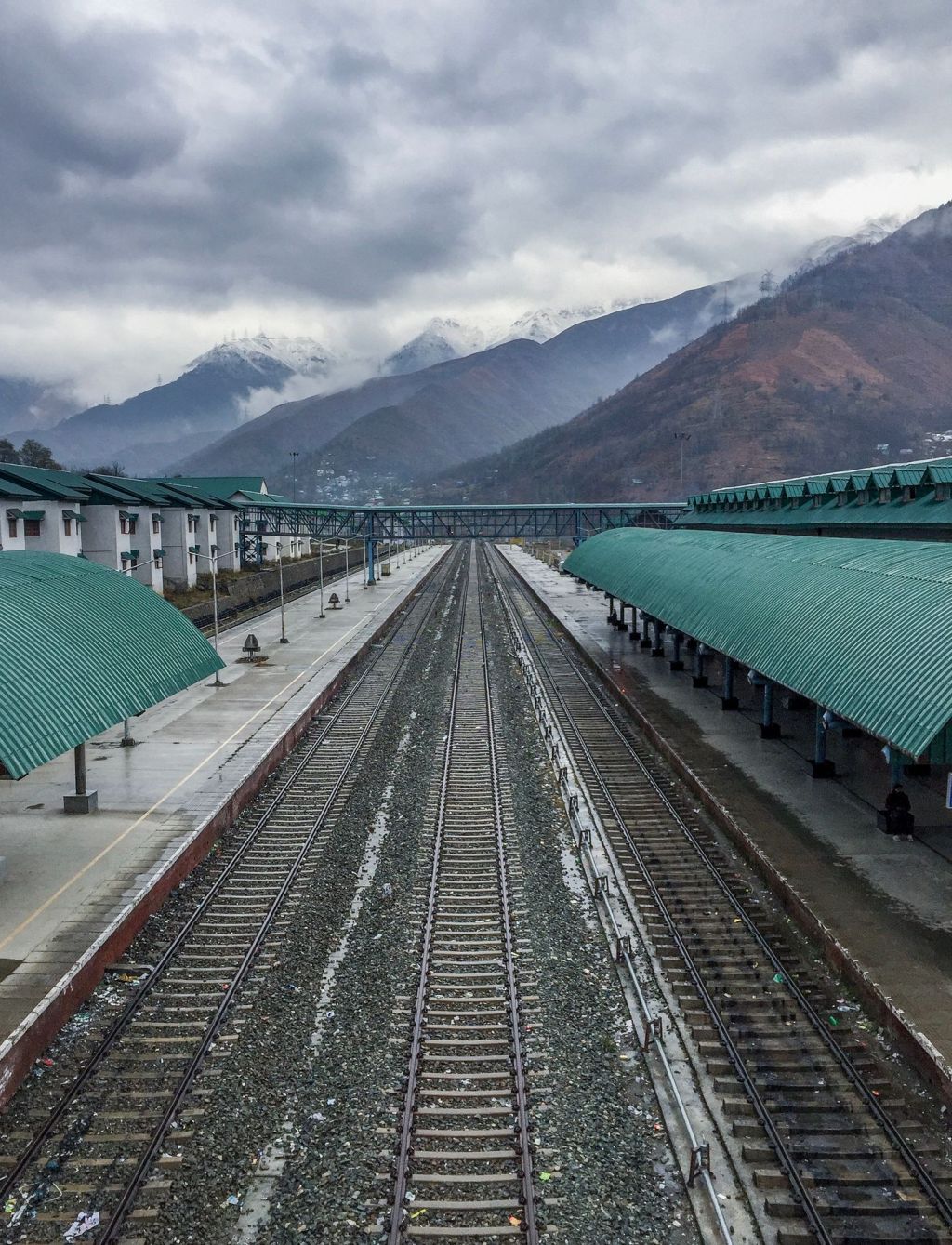
North India runs from the cold desert of Ladakh to the Thar, and from the Ganga plains to the Himalayan foothills. That is its appeal and its difficulty: no single month suits all of it, and trying to see everything in one trip means spending more time on the road than anywhere else. A good North India trip starts with three decisions, in this order: when you can travel, which regions suit that season, and how to link two or three neighbouring places. This planner walks through each, with links to our ten destination guides.
Step 1: let the season choose the region
North India has three broad climates: the Himalayan mountains, the northern plains and Rajasthan’s desert. They peak at different times of year. Our climate and seasons guide has the detail; the short version is below.
- October to March: the best time for the plains and the desert — Delhi, Uttar Pradesh, Rajasthan, Punjab, Haryana and Chandigarh. Days are mild; December and January bring cold nights and dense fog that can delay trains, flights and road travel.
- March to June: spring in Kashmir (tulips from late March) and the hill stations of Himachal Pradesh and Uttarakhand, as the plains heat up. May and June in the plains are very hot.
- June to September: the main season for Ladakh, when the road routes are usually open. Elsewhere it is monsoon: lush, but landslides close mountain roads in Himachal and Uttarakhand, so build in spare days.
- September to November: clear autumn weather in the hills and in Jammu & Kashmir; a good shoulder season almost everywhere.
Step 2: choose what you want from the trip
- Mountains and slow travel: Himachal, Uttarakhand, the Kashmir Valley, or Ladakh for high desert and monasteries.
- Heritage cities: Delhi, Agra and Lucknow in Uttar Pradesh, Jaipur and the forts of Rajasthan, Amritsar in Punjab.
- Desert landscapes: western Rajasthan, around Jaisalmer.
- Spiritual journeys: Varanasi, Rishikesh and the Panch Prayag, the Golden Temple, Vaishno Devi above Katra.
- Food: Old Delhi, Amritsar, Lucknow (a UNESCO Creative City of Gastronomy) and the Kashmir Valley.
- A short break: Chandigarh, the Morni Hills in Haryana, or a weekend in the Himachal foothills.
Our travel moods page groups our guides and stories in this way.
Step 3: pair neighbours, not opposites
The easiest trips link two or three places that share a season and sit close together. These pairings work well:
- Delhi, Agra and Jaipur: the classic heritage triangle, best from October to March.
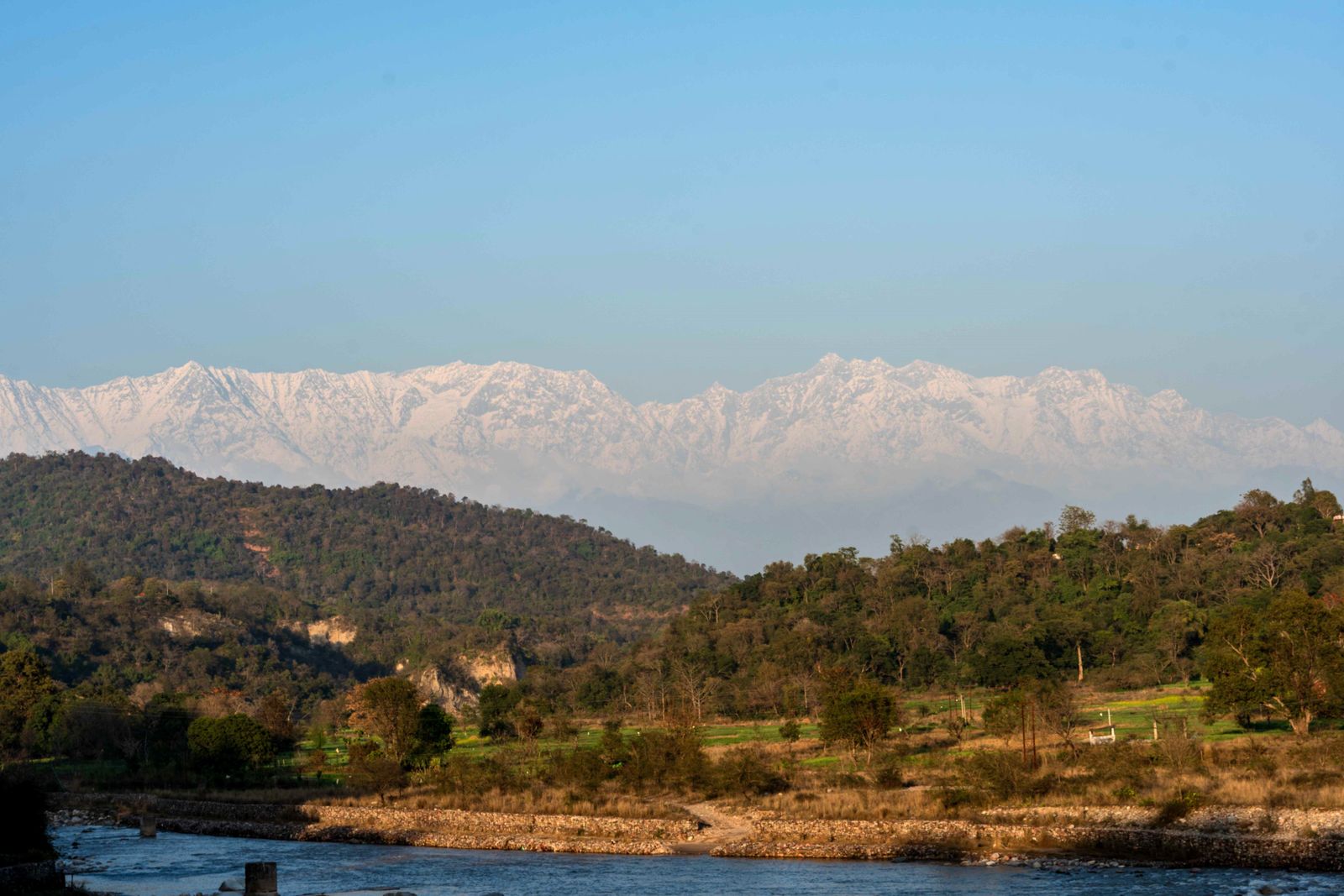
- Amritsar, Chandigarh and the Himachal foothills: Sikh heritage, a modernist city and the Kangra Valley.
- Delhi, Rishikesh and the Uttarakhand hills: river towns, temples and forest walks.
- Jammu and the Kashmir Valley: now linked by train, though each deserves its own time.
- Varanasi and Lucknow: the Ganga ghats and Awadhi food and architecture.
- Ladakh on its own: its altitude and seasons make it a separate trip, not an add-on.
Step 4: getting between places
- Rail for the plains: fast trains link Delhi with Agra, Jaipur, Amritsar, Chandigarh, Dehradun, Lucknow and Varanasi. Book on the official IRCTC site, early for holidays.
- Rail into the mountains: the Vande Bharat Express runs from Jammu Tawi through Katra and Banihal to Srinagar. In Himachal, passenger services on the narrow-gauge Kangra Valley line resumed in June 2026.
- Road for the hills: most hill destinations are reached by road from the nearest railhead or airport. Distances look short on a map but take longer: plan for slow, winding roads and travel in daylight.
- Air for distance: Leh and Srinagar are the obvious places to fly into. Flying saves days but means acclimatising carefully in Leh.
- Seasonal roads: the roads to Ladakh from Manali and Srinagar close for part of the year. In 2026, the Manali–Leh road reopened for light vehicles in mid-May.
- Build in buffers: winter fog in the plains and monsoon landslides in the hills are the two most common causes of delays. One spare day per week of travel is sensible.
Sample routes
One week, October to March: heritage cities
Delhi (two days) → Agra (one day) → Jaipur (two days) → back to Delhi, with a spare day. Add a Jaipur weekend plan for the Rajasthan leg.
Ten days, October to April: Punjab and the foothills
Amritsar (two days) → Anandpur Sahib (one day) → Chandigarh (one or two days) → the Kangra Valley (three days) → Delhi. In winter, check snow conditions for hill roads.
Ten days, March to June or September to November: rivers and hills
Delhi → Rishikesh (two days) → along the Alaknanda to the Panch Prayag (two or three days) → Kumaon for Almora and Jageshwar (three days) → Delhi. Char Dham pilgrims must register with the Uttarakhand tourism portal.
Two weeks, June to September: Ladakh
Fly to Leh and rest for two days, then follow our Leh, Nubra and the lakes route, or drive in from Srinagar via Kargil. Read our Ladakh planning guide first.
Before you book
- Check permits and registrations: Ladakh’s protected areas, the Vaishno Devi yatra and the Char Dham all have their own systems. Our plan your trip page lists them.
- International readers should check their government’s travel advice: the UK, for example, advises against travel to parts of Jammu & Kashmir and to areas near the India–Pakistan border.
- Prefer fewer places and longer stays. Two nights per base is a good minimum.
Looking for quieter corners? Try our lesser-known places in North India, or browse all ten regions on our North India page.
Sources and image credits
Facts that can change were checked on 29 October 2026:
- India Meteorological Department (seasonal patterns; see our climate guide for station data)
- News On AIR / Northern Railway: Vande Bharat extended to Jammu Tawi (24 February 2026)
- Outlook Traveller: Kangra Valley Railway services resume (June 2026)
- The Tribune: Manali–Leh road reopens for light vehicles (16 May 2026)
- United Nations in India: UNESCO adds Lucknow to the world’s culinary map
- Uttarakhand Tourism: registration and tourist care portal
- GOV.UK: India regional travel advice
Photography via Pexels, used under the Pexels License: Iqbal Farooz (Banihal railway station), Rajesh S Balouria (Dhauladhar range). These are stock images, not the author’s own.
Timetables, road openings and registration rules change. Check official sources close to your travel dates.