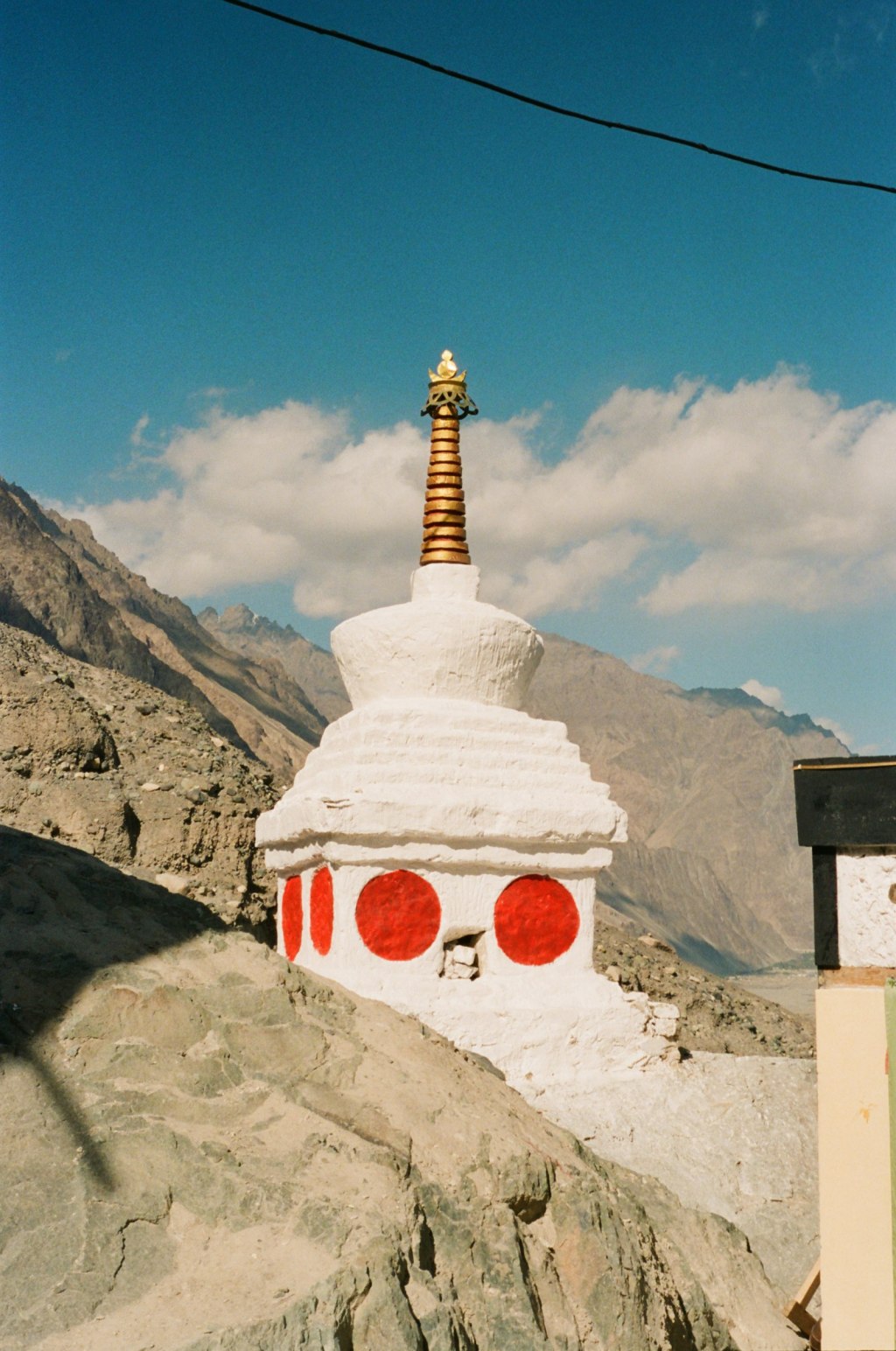
Ladakh is not hard to reach, but it is easy to plan badly. Leh sits at about 3,500 metres, the roads in close for part of the year, and the most beautiful places are higher still. The decisions that matter most are made before you leave home: when to go, how to get in, and how many days to give your body to adjust. This guide sets them out in order. For places and itineraries, see our Ladakh guide.
1. Choose your season
- June to September is the main season: the road routes are usually open, camps at the lakes operate and the days are warm, though nights stay cold.
- May and October are quieter and colder. Some camps and guesthouses are closed, and passes can still close for snow.
- Winter (roughly December to February) is extremely cold. Flights still operate, but services are limited. It is for experienced, well-prepared travellers.
2. Fly or drive?
Flying into Leh is quickest and works year-round, but it takes you from the plains to 3,500 metres in about an hour. You must plan your first days around rest.
From Srinagar, the road climbs over Zoji La to Drass and Kargil, then on to Leh, usually over two days. Because you gain height more gradually and can sleep in Kargil, it is the gentler road for acclimatisation. Zoji La normally closes for part of the winter and reopens in spring. In 2025–26, the Border Roads Organisation kept it open beyond 28 February for the first time, though with temporary closures. A tunnel under the pass is expected to open in early 2028.
From Manali, the road runs through the Atal Tunnel and over high passes beyond Lahaul, including Baralacha La at over 16,000 feet. It is spectacular, but you sleep and travel higher than Leh within a day or two, so it is not an easy acclimatisation route. In 2026 the road via Baralacha La reopened for light vehicles in mid-May.
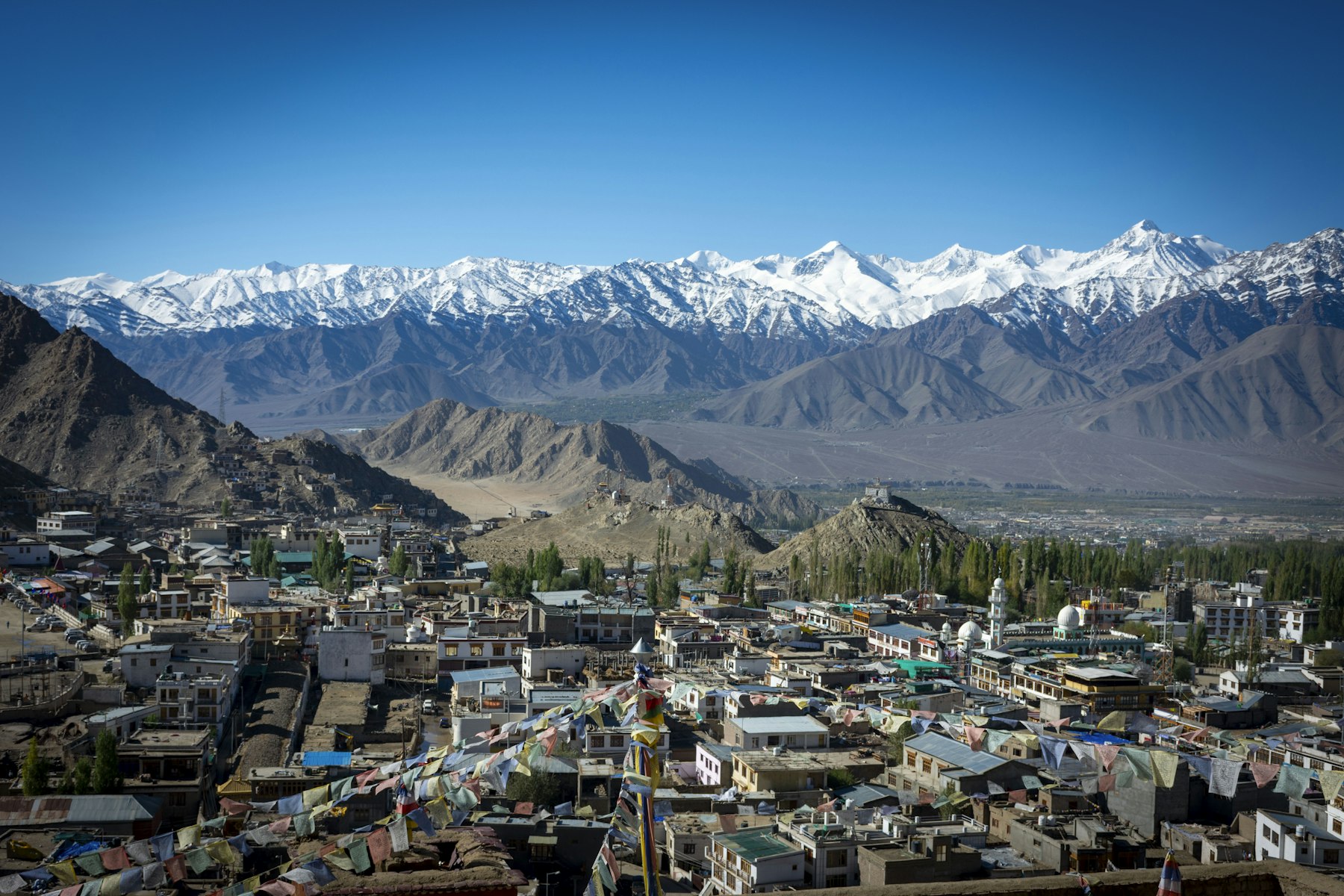
3. Plan for altitude, not just distance
Acute mountain sickness can affect anyone, however fit. In 2022, after a series of altitude-related deaths, the Leh authorities made a 48-hour acclimatisation period mandatory for visitors. The official advice is simple, and worth building into your itinerary:
- Rest on arrival. Take complete rest for the first 24 to 36 hours and avoid strenuous activity for the first two days.
- Wait at least 48 hours in Leh before going to higher places such as Khardung La, Chang La, Pangong or Tso Moriri.
- Climb gradually. Gain no more than about 500 metres of sleeping height a day, and take a rest day for every 1,000 metres.
- Drink water, skip alcohol. The advisories suggest two to four litres of water a day, and no alcohol, smoking, sedatives or sleeping pills while you adjust.
- Medication only on medical advice. The official advisory mentions Diamox (acetazolamide) for prevention, but only as recommended by your doctor.
Headache, nausea, poor sleep, loss of appetite and breathlessness are common early signs: rest, and do not go higher until they pass. Breathlessness at rest, a persistent cough, confusion or loss of coordination can signal high-altitude pulmonary or cerebral oedema (HAPE or HACE), which can be fatal. Descend and get medical help immediately. SNM Hospital in Leh is the main hospital.
4. Sort out permits
- Indian citizens no longer need an Inner Line Permit for protected areas such as Nubra, Pangong and Tso Moriri; the requirement was removed in 2021. Registration and fees may still apply, so check the LAHDC Leh permit portal before you go.
- Foreign nationals need a Protected Area Permit for these border areas, usually arranged through a registered travel agent in Leh.
- Carry photo ID and copies of your permits; they are checked at police and army posts.
5. Plan the logistics
- Taxis: most visitors hire a taxi from Leh. Local unions set route rates; agree the itinerary and overnight stops before you start.
- Fuel: pumps are few beyond Leh, Diskit and Kargil. On a self-drive or motorbike trip, plan every leg.
- Cash and connectivity: ATMs are few outside Leh and Kargil, and mobile coverage thins quickly. Carry enough cash and download offline maps.
- Daylight: allow daylight for every drive. Rough stretches near the passes are slow, and weather can close a road at short notice.
6. Travel lightly
- Stay on marked tracks. Off-road driving damages fragile habitats and is fined: in June 2026, four vehicles were fined ₹50,000 each for driving off-track near Pangong.
- Save water and avoid plastic. Water is scarce. Refill bottles and take short showers.
- Respect dark skies. In the Hanle Dark Sky Reserve, keep lights to a minimum, use red-filtered torches and keep noise down.
- Spend locally. Homestays and local drivers keep more of your money in villages.
A sensible shape for a first trip
Allow seven to ten days. Spend the first two resting in Leh with short walks, then make easy day trips along the Indus to Thiksey, Hemis or the Sham valley. Only then go higher: Nubra over Khardung La, followed by Pangong, with a night in Nubra or Leh in between. Our next guide, Leh, Nubra, Pangong and Tso Moriri, covers each of these in detail.
Sources and image credits
Facts that can change were checked on 29 October 2026:
- Ladakh Tourism: tourist advisory (acclimatisation, water, permits)
- LAHDC Leh: health advisory
- The Wire: Ladakh makes 48-hour acclimatisation a must (16 June 2022)
- The Tribune: Manali–Leh road reopens for light vehicles via Baralacha La (16 May 2026)
- The Tribune: Zoji La stays open through winter (6 March 2026)
- Deccan Herald: Indian citizens no longer need an Inner Line Permit (2021)
- Business Today: off-road fines near Pangong (30 June 2026)
- Indian Institute of Astrophysics: regulations inside the Hanle Dark Sky Reserve
Photography via Unsplash, used under the Unsplash License: Ben Gillam (chorten), Anand Mahajan (town below the mountains). These are stock images, not the author’s own. This article is general travel information, not medical advice: speak to a doctor about altitude before you travel.
Road openings, permit rules and fees change. Check official sources close to your travel dates.