Mumbai is India’s biggest city and its financial capital, built on what were once seven islands. It can feel overwhelming at first. The trick is to take it a neighbourhood at a time, starting at the southern tip, where much of its history is concentrated.
The Gateway and the Fort district
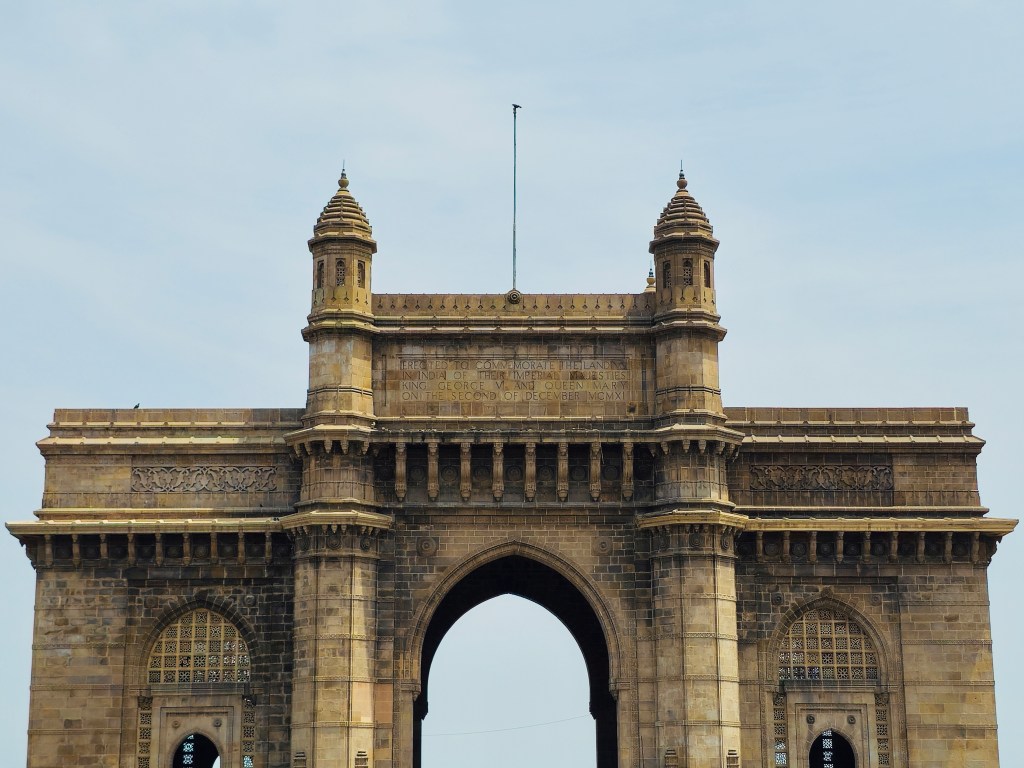
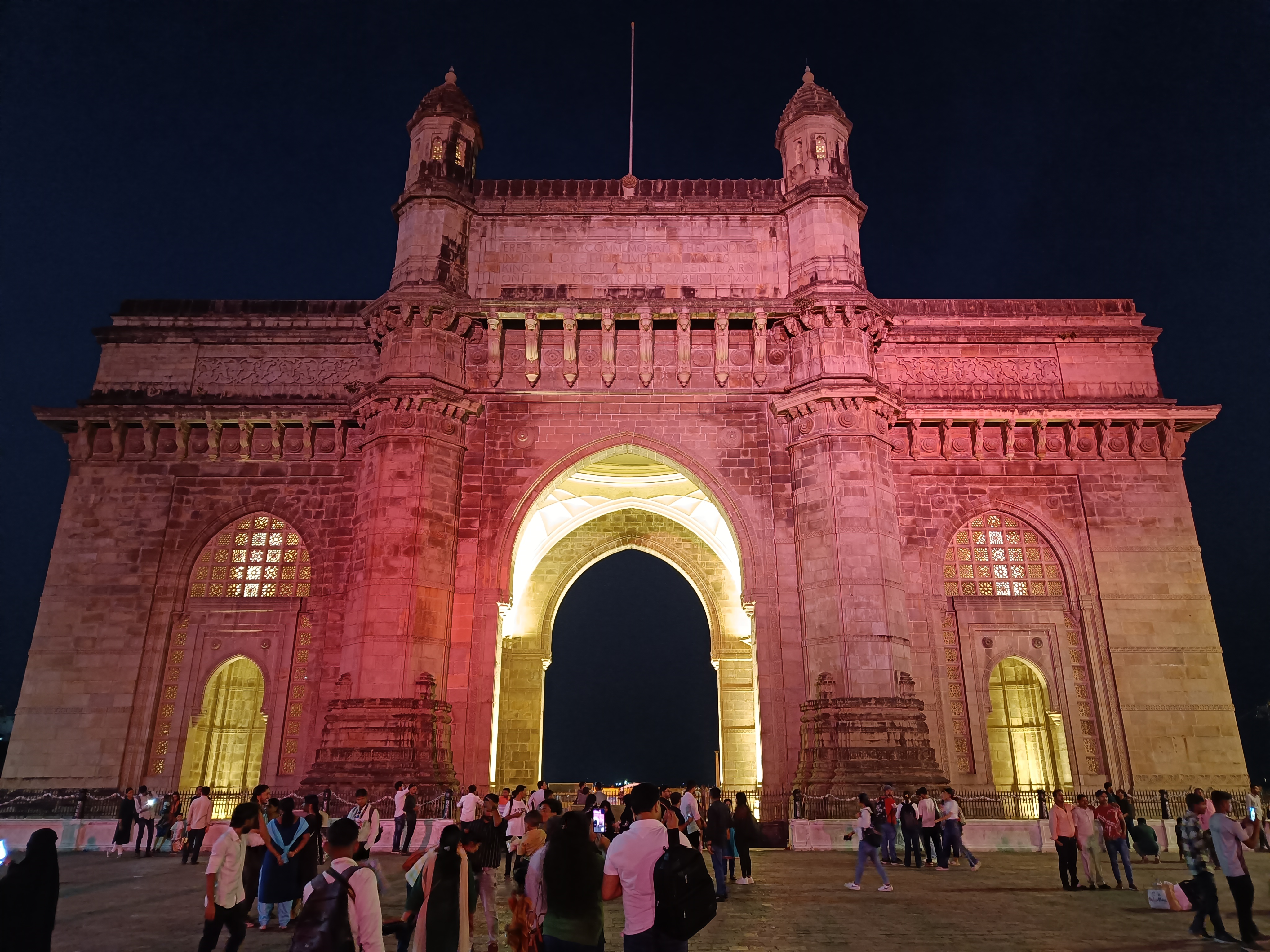
The basalt arch of the Gateway of India faces the harbour at Apollo Bunder. Behind it lies the old Fort district, with some of the city’s grandest 19th-century buildings. Chhatrapati Shivaji Maharaj Terminus, the great Victorian Gothic railway station, is a UNESCO World Heritage Site in its own right, and still a working terminus.
Victorian Gothic and Art Deco
Mumbai’s second UNESCO-listed site is architectural too. The Victorian Gothic and Art Deco Ensembles of Mumbai are arranged around the Oval Maidan: 19th-century Gothic public buildings on its eastern side, including the Rajabai Clock Tower, and Art Deco apartment blocks and cinemas on its western side, with Marine Drive beyond. Walk the Oval in the late afternoon, then follow Marine Drive towards Chowpatty as the lights come on.
Elephanta Caves
Ferries run from near the Gateway of India to Elephanta Island in the harbour. Its rock-cut cave temples, dedicated to Shiva, are a UNESCO World Heritage Site; the great three-headed image in the main cave is the reason most people go. Allow half a day, and expect a climb up steps from the jetty.
Bandra and Juhu
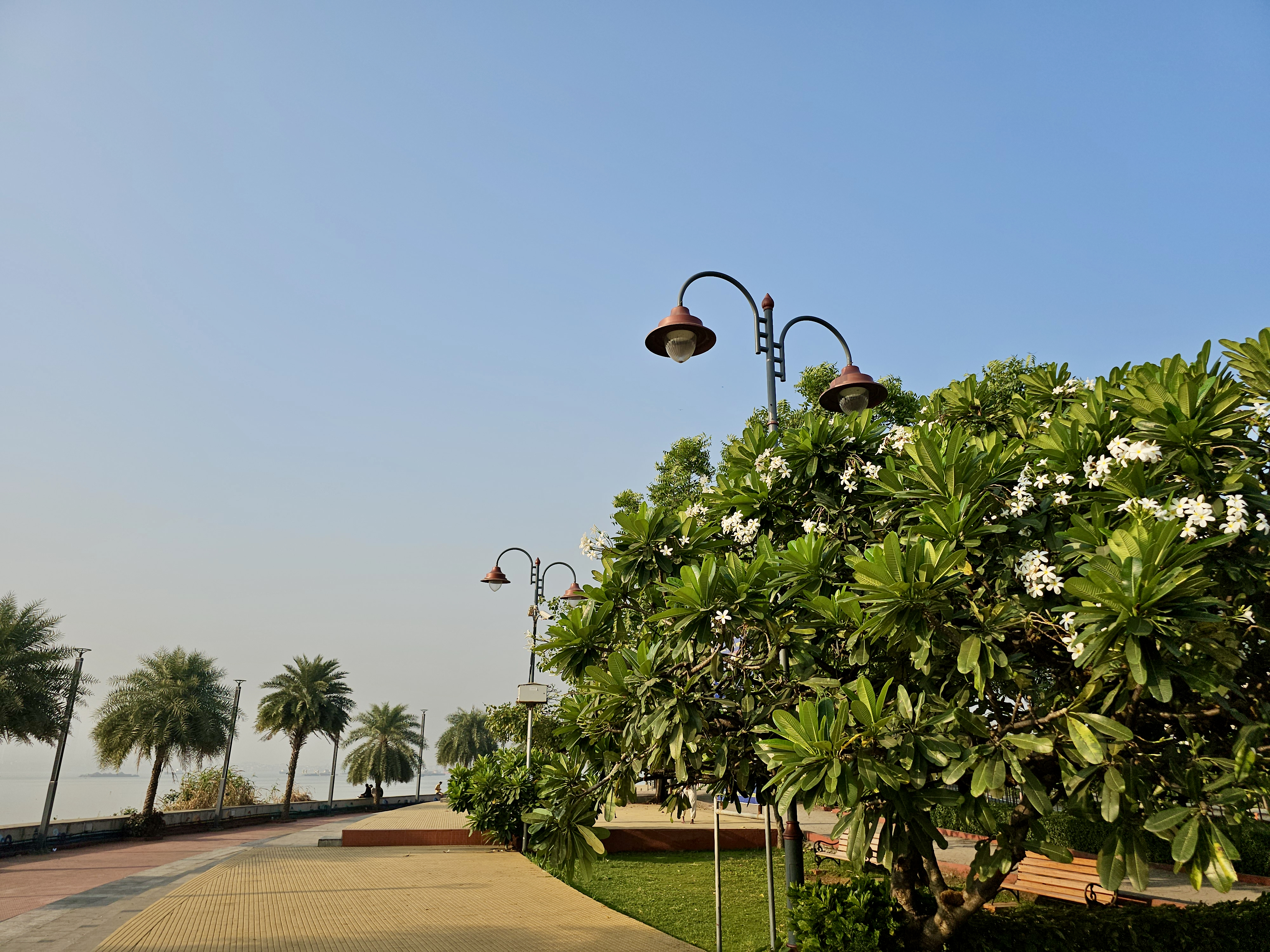
To see a different Mumbai, head north to Bandra, with its seafront promenades, old cottages, cafés and the view of the Bandra–Worli Sea Link. Juhu Beach, further north, is where much of the city comes to walk at sunset.
Eat
- Vada pav, pav bhaji and bhel puri from stalls and beach stands.
- Seafood in the Konkan and Malvani styles, and Parsi and Irani cafés in the older parts of the city.
- Monsoon is the season for roasted corn and cutting chai on the seafront.
Practicalities
- Airports: Chhatrapati Shivaji Maharaj International, and Navi Mumbai International, which began commercial operations on 25 December 2025.
- Getting around: suburban trains are fast but very crowded at rush hour; the metro lines, app cabs and the black-and-yellow taxis fill the gaps.
- When to go: November to February is the most comfortable. The monsoon, roughly June to September, brings very heavy rain and occasional flooding.
- Festivals: Ganesh Chaturthi, in August or September, is the city’s biggest festival.
More in our Maharashtra guide.
Sources and image credits
Facts that can change were checked on 31 October 2026:
- UNESCO: Victorian Gothic and Art Deco Ensembles of Mumbai
- UNESCO: Chhatrapati Shivaji Terminus
- UNESCO: Elephanta Caves
- Business Today: Navi Mumbai International Airport starts operations (25 December 2025)
- Wikipedia: Chhatrapati Shivaji Maharaj Terminus
Photography: Bigul Malayi via the WordPress Photo Directory (CC0); Shreyas Ikhar via the WordPress Photo Directory (CC0). Stock images, not the author’s own.
Ferry services to Elephanta can be suspended in rough weather, especially in the monsoon. Check before you set out.