Amritsar grew around a sacred pool, and Harmandir Sahib, the Golden Temple, is still its centre. Most visitors stay a night, see the temple and drive out to the border ceremony. Stay two days and the city opens up: a museum that tells the story of Partition through its survivors, a garden that remembers the massacre of 1919, a fort that was closed to the public for most of its history, and some of the best breakfasts in the north.
Start with the temple, and the langar
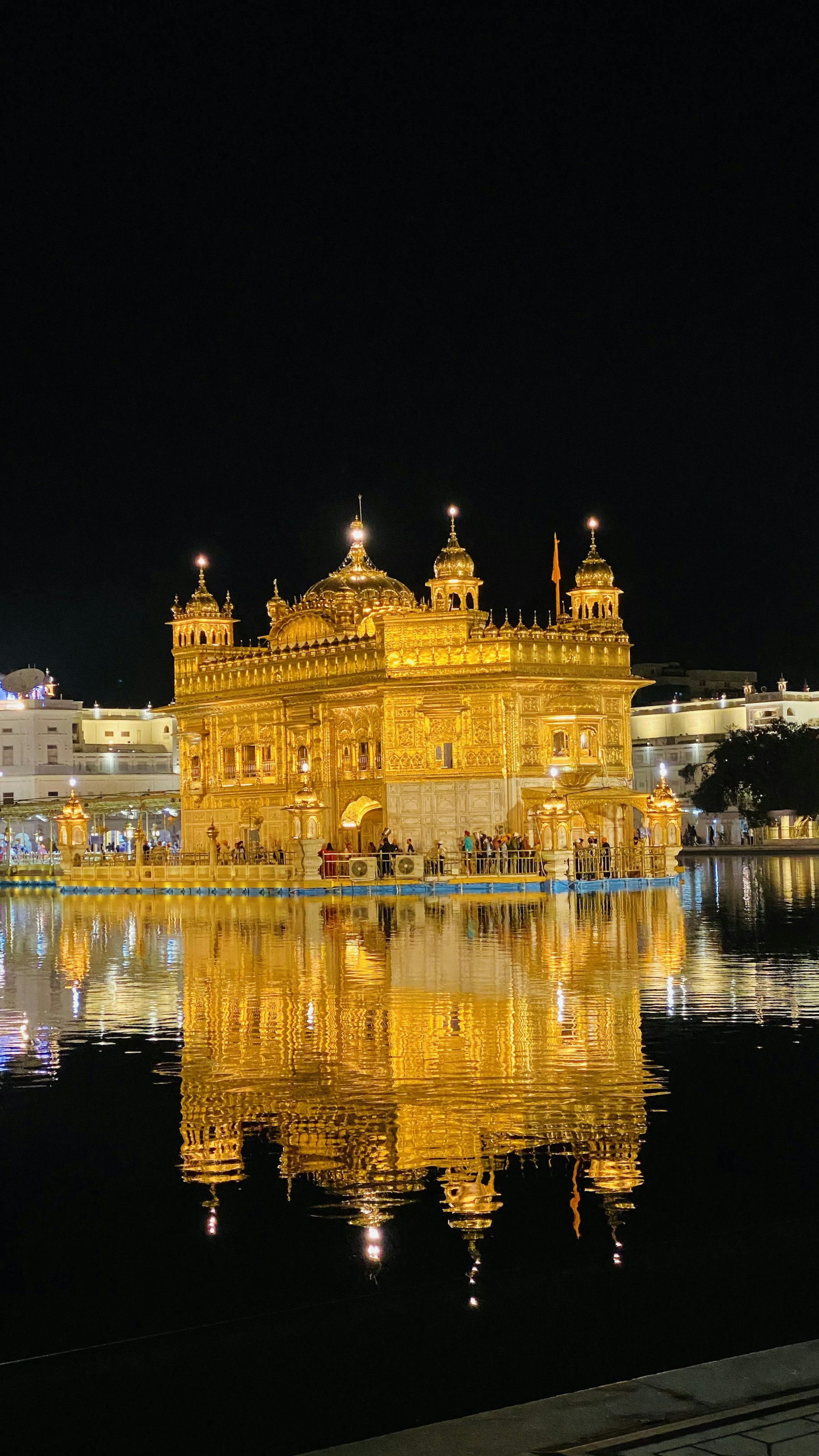
Visit Harmandir Sahib twice if you can: early in the morning, and after dark, when it glows over the water. Then eat at the langar. The community kitchen serves free vegetarian meals to everyone, around the clock, every day of the year. It feeds more than 100,000 people a day, with about 500 volunteers working in shifts. Everyone sits on the floor in rows and eats the same meal. Visitors are welcome to help in the kitchen or with the washing-up.
- Cover your head (scarves are available), remove your shoes and wash your feet before entering.
- No tobacco or alcohol in the complex. Dress modestly.
- Ask before photographing people at prayer.
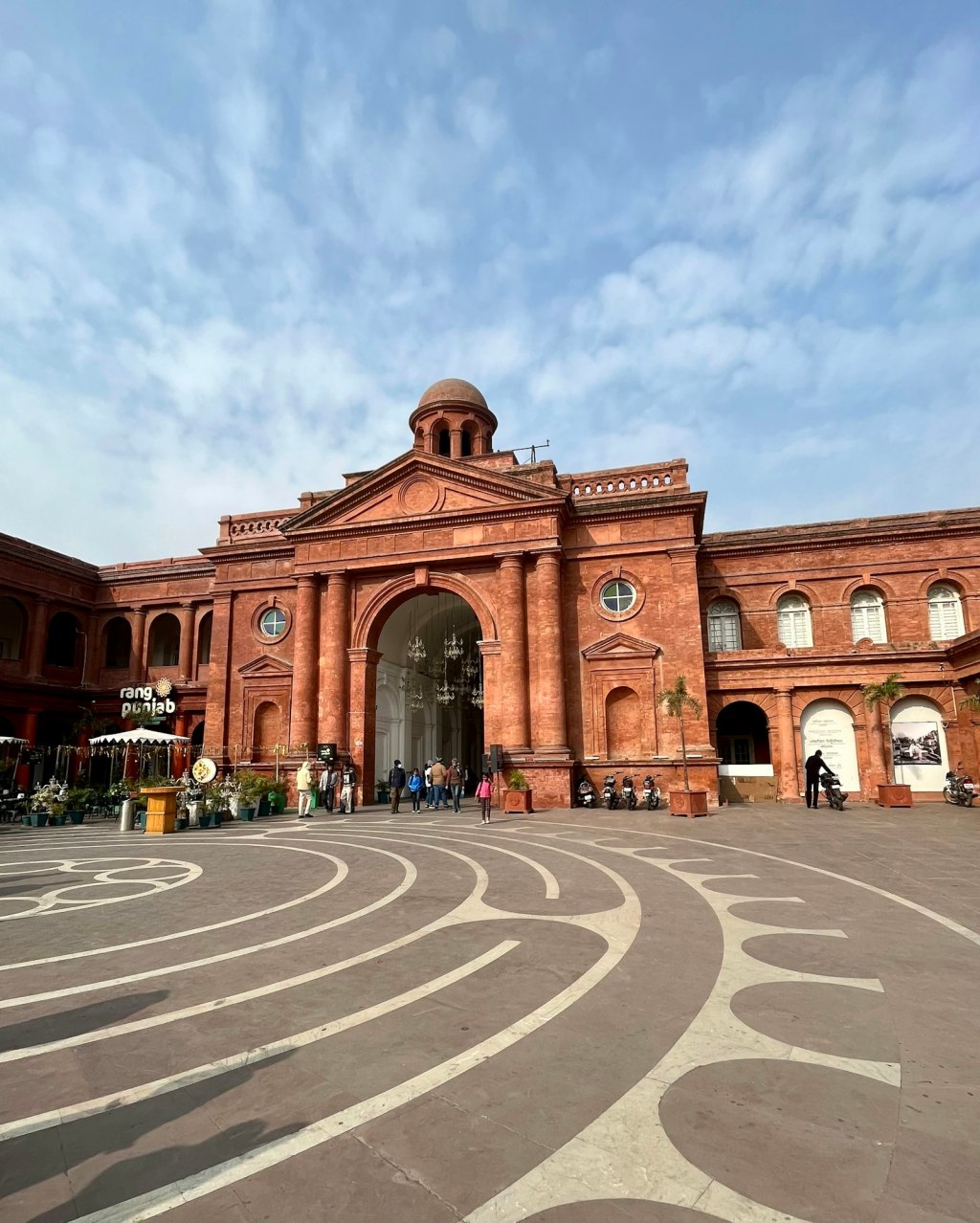
The Partition Museum
In the old Town Hall, a short walk from the temple, the Partition Museum opened in August 2017. Across 14 galleries it tells the story of 1947 through objects donated by survivors and their families — trunks, household items, family photographs — and through more than 100 recorded oral histories. Give it at least two hours.
- Open 10 am to 6 pm; closed on Mondays and public holidays.
Jallianwala Bagh
On 13 April 1919, British troops under General Reginald Dyer opened fire on a crowd gathered in this walled garden, blocking the exits. The official Hunter Commission put the death toll at 379 at least; other accounts put it much higher. The memorial complex reopened in August 2021 after a renovation that added galleries and a sound-and-light show, and drew criticism from some historians for altering the site. Visit quietly; many people come here to remember family members.
Gobindgarh Fort
Built around 1760 by Gujjar Singh Bhangi to protect the city, the fort was taken by Maharaja Ranjit Singh, who renamed it after Guru Gobind Singh and strengthened it in 1805. It was held by the British and then the Indian Army, and opened to the public only in February 2017. Today it is run as a heritage attraction, with museums including a coin gallery, live performances of bhangra and gatka, and an evening projection show. It is busier and more theatrical than the city’s other sites, which suits families.
The Attari–Wagah ceremony
About 30 km west of the city, the Border Security Force holds a daily retreat ceremony at the Attari–Wagah crossing with Pakistan. From 16 October 2026, the BSF moved it to 5:00–5:30 pm for the winter. Timings change with the seasons, so check before you go, arrive early and expect security checks. Bags are restricted, so travel light.
The UK government advises against travel within 10 km of the India–Pakistan border, except for the Attari–Wagah crossing and ceremony. International readers should check their own government’s advice.
Eating in Amritsar
The city’s signature is the Amritsari kulcha: a leavened bread stuffed with herbed, spiced potato and baked against the wall of a tandoor until crisp. Many dhabas keep a separate tandoor just for kulcha, because it needs its own heat and technique. A related bread, the pathi kulcha, is a popular breakfast, eaten with butter, chickpea curry, yogurt or chutney. Add a tall glass of lassi and you have the classic Amritsar morning.
For more about Punjabi food beyond the city, see our guide to Punjab’s food traditions.
Two days in Amritsar
- Day 1: Golden Temple at dawn and langar; Jallianwala Bagh; the Partition Museum (not on a Monday); kulcha for a late lunch; the temple again after dark.
- Day 2: Gobindgarh Fort in the morning; the old city lanes; an early drive to Attari for the afternoon ceremony.
Amritsar is a good start to a wider journey through Punjab. Our Punjab guide has places, seasons and routes, and our piece on Anandpur Sahib, Patiala and Kapurthala covers the heritage towns beyond the city.
Sources and image credits
Facts that can change were checked on 29 October 2026:
- The National: Inside the world’s largest free kitchen at the Golden Temple (13 October 2023)
- Incredible India: Partition Museum (opening, galleries, timings)
- Scroll: Jallianwala Bagh renovation and criticism (1 September 2021)
- Wikipedia: Gobindgarh Fort
- UNI: Attari–Wagah retreat ceremony timings revised from 16 October (2026)
- The Tribune: Kulcha, crown jewel of street food in Amritsar (20 September 2025)
- GOV.UK: India regional travel advice
Photography via Unsplash, used under the Unsplash License: Sumit Kant (on the way to the Partition Museum), Ravindra Sharma (Harmandir Sahib at night). These are stock images, not the author’s own.
Museum hours and ceremony timings change. Confirm before you go.