Amritsar draws most travellers to Punjab, but the state’s history is spread across smaller towns: the hillside town where the Khalsa was founded, a princely capital whose palace museums reopened in 2026, a former royal seat with a mosque designed by a French architect, and villages where women still embroider phulkari by hand. Each is a short drive from the next, which makes Punjab one of the easiest heritage circuits in the north.
Anandpur Sahib
In the foothills near the Sutlej, Anandpur Sahib is one of the most important places in Sikh history. Takht Sri Kesgarh Sahib marks the site where Guru Gobind Singh founded the Khalsa in 1699.
Nearby is the Virasat-e-Khalsa, a museum of Sikh history and Punjabi heritage designed by the architect Moshe Safdie. It opened in November 2011. Its western complex holds an auditorium, a research library and changing exhibitions; the eastern complex holds a memorial building and permanent galleries arranged in groups of five. Its roofs were designed to reflect sunlight towards the gurdwara and the fort. Allow half a day, and check opening days before you go.
Hola Mohalla
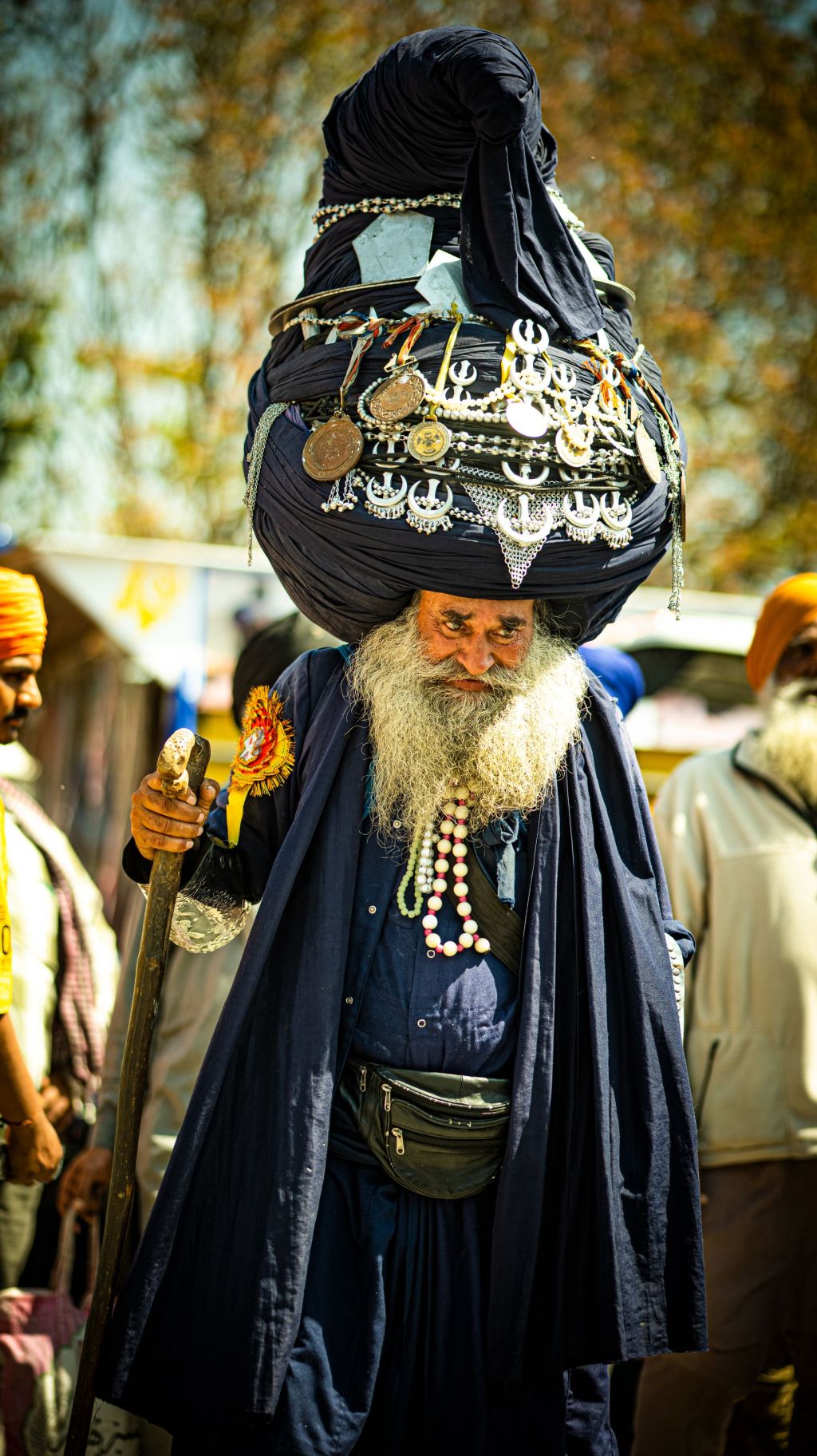
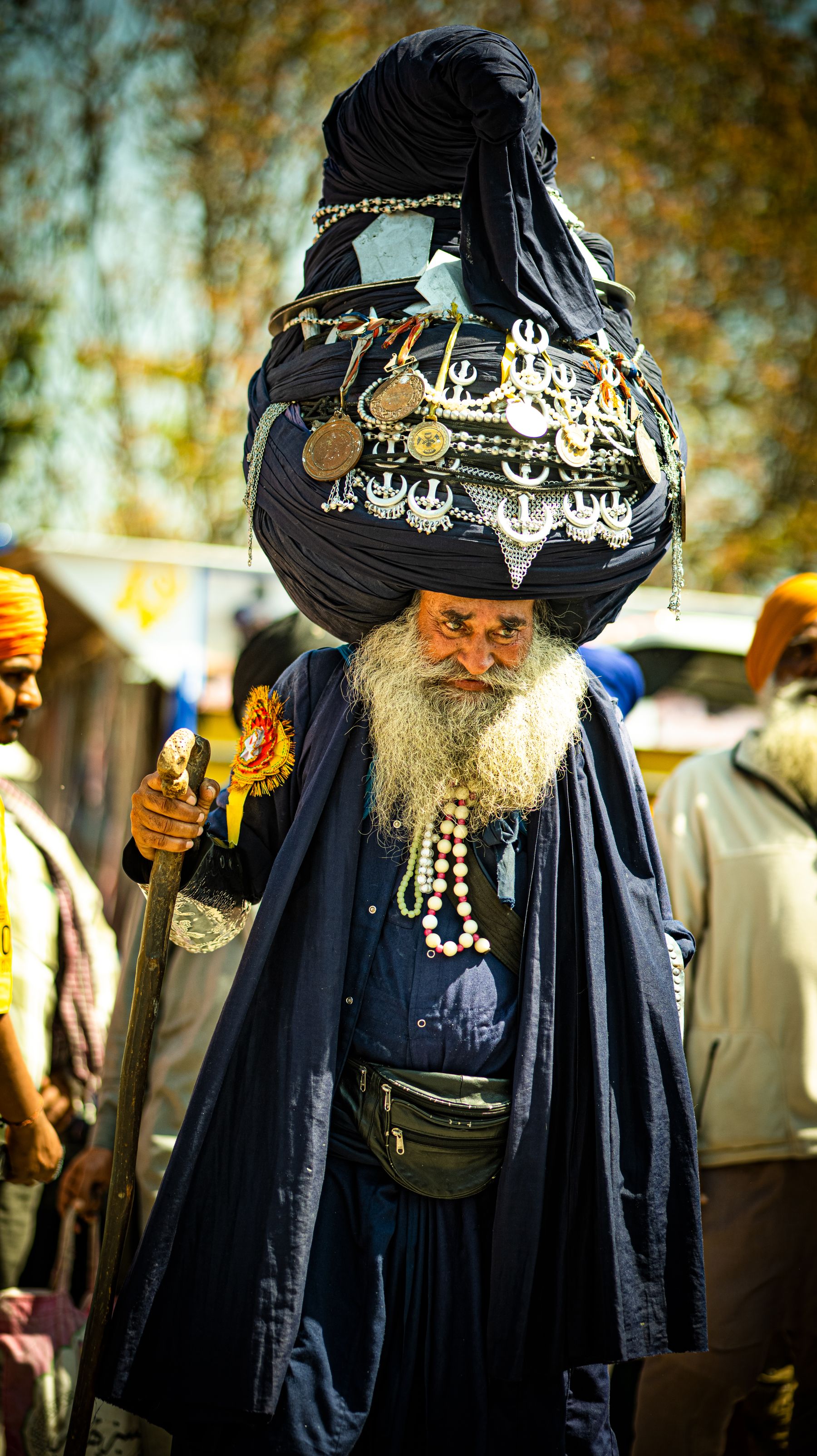
Each spring, the day after Holi, Anandpur Sahib hosts Hola Mohalla, a festival established by Guru Gobind Singh in 1701. Nihang Singhs give displays of gatka and horsemanship, processions move through the town, and langars feed huge crowds. In 2026 it ran from 27 February to 3 March, with a tent city, shuttle buses and parking zones set up for visitors. Book well ahead if you plan to attend, and expect very large crowds.
Patiala
Patiala was the capital of one of the largest princely states in Punjab, and its old palaces sit at the centre of the city. In February 2026, during the Patiala Heritage Festival, the state tourism department reopened two museums that had been closed for a long time:
- Qila Mubarak museum, in the Durbar Hall of the old fort, with galleries of artefacts and of arms and armour. Exhibits include chandeliers, a rare double-sword scabbard, an original portrait of Guru Gobind Singh, a silver carriage made in Kolkata and early cars.
- Sheesh Mahal museum, renovated and reorganised into four galleries, including Chinese art, sculpture and portraits.
Patiala is also known for its salwars and juttis, and for phulkari (see below). Give the city a full day.
Kapurthala
Next to Jalandhar, the former princely capital of Kapurthala has buildings unlike any others in Punjab. Jagatjit Palace, completed in 1908, was modelled on Versailles and Fontainebleau; it is now a Sainik School and can be seen only from outside. The Moorish Mosque, built between 1927 and 1930 for Maharaja Jagatjit Singh, was designed by the French architect Maurice Mantout on the model of the Koutoubia Mosque in Marrakesh. It is protected by the Punjab State Department of Archaeology and is open to visitors outside prayer times.
Nearby Sultanpur Lodhi is linked to Guru Nanak, and makes a good stop on the way between Kapurthala and Amritsar.
Phulkari: the flower work of Punjab
Phulkari means flower work. It is embroidered in darning stitches worked from the reverse of the cloth, traditionally in soft, untwisted silk floss (pat) on handspun, handwoven cotton (khaddar). A bagh covers the cloth so densely that the base fabric barely shows; a phulkari has more scattered motifs; and the red-and-yellow chope was traditionally made for brides. Phulkari is protected by a Geographical Indication covering Punjab, Haryana and Rajasthan.
In Patiala, the Tripuri area has long been known for phulkari, and its market sells both hand-embroidered and machine-made pieces. Much of the hand work is done by women at home, often in collectives. Machine embroidery is cheaper and increasingly common, so if you want hand work, ask directly, look closely at the finish and buy from artisans or their collectives where you can.
A heritage circuit
- Days 1–2: Amritsar.
- Day 3: Sultanpur Lodhi and Kapurthala.
- Day 4: Anandpur Sahib and the Virasat-e-Khalsa.
- Day 5: Patiala’s fort museums and the Tripuri phulkari market, then on to Chandigarh.
October to March is the most comfortable time to travel, though dense fog can slow roads and trains in December and January. At gurdwaras, cover your head and remove your shoes. Our Punjab guide has more places and practical notes, and our guide to Punjabi food covers what to eat on the way.
Sources and image credits
Facts that can change were checked on 29 October 2026:
- District Rupnagar (official): Virasat-e-Khalsa
- The Tribune: Hola Mohalla 2026 to be held from 27 February (14 February 2026)
- The Tribune: Museums at Sheesh Mahal and Qila Mubarak reopened (25 February 2026)
- Wikipedia: Moorish Mosque, Kapurthala
- Life Lately: lesser-known places in North India (Jagatjit Palace)
- Office of the Development Commissioner (Handicrafts): Phulkari
- People’s Archive of Rural India: In Patiala, the thriving craft of phulkari (19 September 2024)
Photography via Pexels, used under the Pexels License: andrew vijay (Hola Mohalla, Anandpur Sahib). A stock image, not the author’s own.
Museum hours, festival dates and access change. Check before you travel.