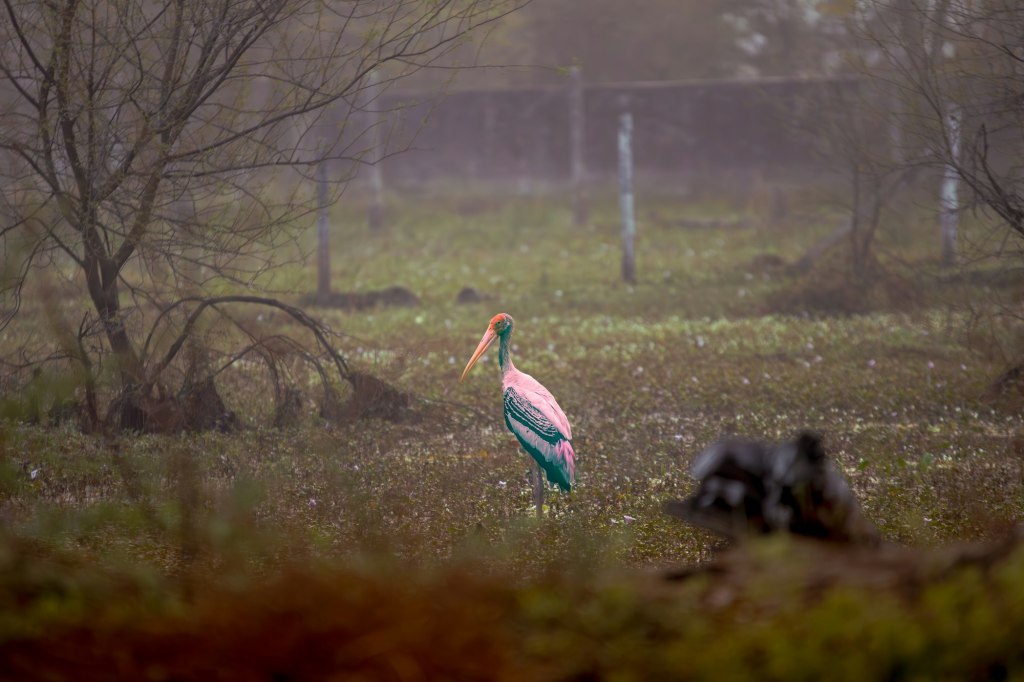
Haryana is usually something you drive through. In winter, two of its wetlands are reasons to stop. Sultanpur National Park, on the edge of Gurugram, and Bhindawas Wildlife Sanctuary, in Jhajjar district, were both added to the Ramsar list of Wetlands of International Importance in 2021, the first sites in the state to be recognised. From roughly October to March they fill with ducks, geese, storks and waders, many of them migrants from Central Asia and beyond, and both are close enough to Delhi for a morning out.
Sultanpur National Park
Sultanpur is small, about 142 hectares around a shallow lake, which is part of its charm: you can walk the main loop around the marsh in a morning, stopping at watchtowers along the way. It was declared a bird sanctuary in the early 1970s and became a national park in 1991. The Ministry of Environment, Forest and Climate Change records more than 220 waterbird species here, residents and migrants, including more than ten that are globally threatened, among them the critically endangered sociable lapwing.
- What to look for in winter: waterfowl such as northern pintail and greylag geese, greater flamingos in some years, and large residents such as painted storks and black-headed ibis. Nilgai and jackals are often seen around the edges.
- Facilities: the Haryana Forest Department lists walking trails, watchtowers, viewing platforms and an interpretation centre.
- Season: the park closes every year from 1 June to 30 September and reopened on 1 October 2026. November to February is the peak of migration.
- Timings and fees: published hours vary between sources, so confirm opening times and the current entry fee with the forest department before you go, and plan to arrive soon after opening.
Bhindawas Wildlife Sanctuary
About 105 km from Delhi in Jhajjar district, Bhindawas is a human-made freshwater wetland and, according to the Ministry, Haryana’s largest. It covers about 412 hectares and is fed by rain and by the Jawaharlal Nehru feeder canal and its escape channel. More than 250 bird species use it as a resting and roosting site through the year, including more than ten globally threatened species such as the Egyptian vulture, steppe eagle, Pallas’s fish eagle and black-bellied tern.
It feels wilder and more open than Sultanpur, with long embankments to walk or drive along. The smaller Khaparwas Wildlife Sanctuary lies about 1.5 km away and can be combined in the same visit. Facilities are basic, so bring water and food.
Choosing between them
- Short on time, or new to birding: Sultanpur. It is compact, has marked trails and watchtowers, and is an easy drive from Gurugram.
- Want space and fewer people: Bhindawas and Khaparwas, as a longer half-day or full day from Delhi.
- Both: they sit in the same wetland corridor west of Delhi, but each deserves an early start, so visit them on separate mornings.
Visiting well
- Go early. The first two hours of daylight are the best for birds and the most pleasant in temperature. Winter mornings can be foggy, so allow extra travel time.
- Bring binoculars and, if you can, a field guide or a birding app; many species are distant ducks on open water.
- Keep your distance and stay quiet. Do not feed birds, play recorded calls or leave the trails.
- Carry everything out. Plastic and food waste harm wetlands.
- Consider a local naturalist for your first visit; guided walks are offered at Sultanpur.
For Kurukshetra, the Morni Hills and the rest of the state, read our Haryana guide. If you are based in Delhi, pair a morning at Sultanpur with an afternoon in Old Delhi, or plan a longer route with how to plan a North India trip.
Sources and image credits
Facts that can change were checked on 30 October 2026:
- Press Information Bureau (Ministry of Environment, Forest and Climate Change): four new Ramsar sites, including Sultanpur and Bhindawas (14 August 2021)
- Haryana Forest Department (Wildlife): Sultanpur National Park
- Curly Tales: Sultanpur reopens on 1 October after its annual closure (29 September 2026)
- Outlook Traveller: the urban birder’s guide to Sultanpur National Park
- Wikipedia: Sultanpur National Park
- Wikipedia: Bhindawas Wildlife Sanctuary
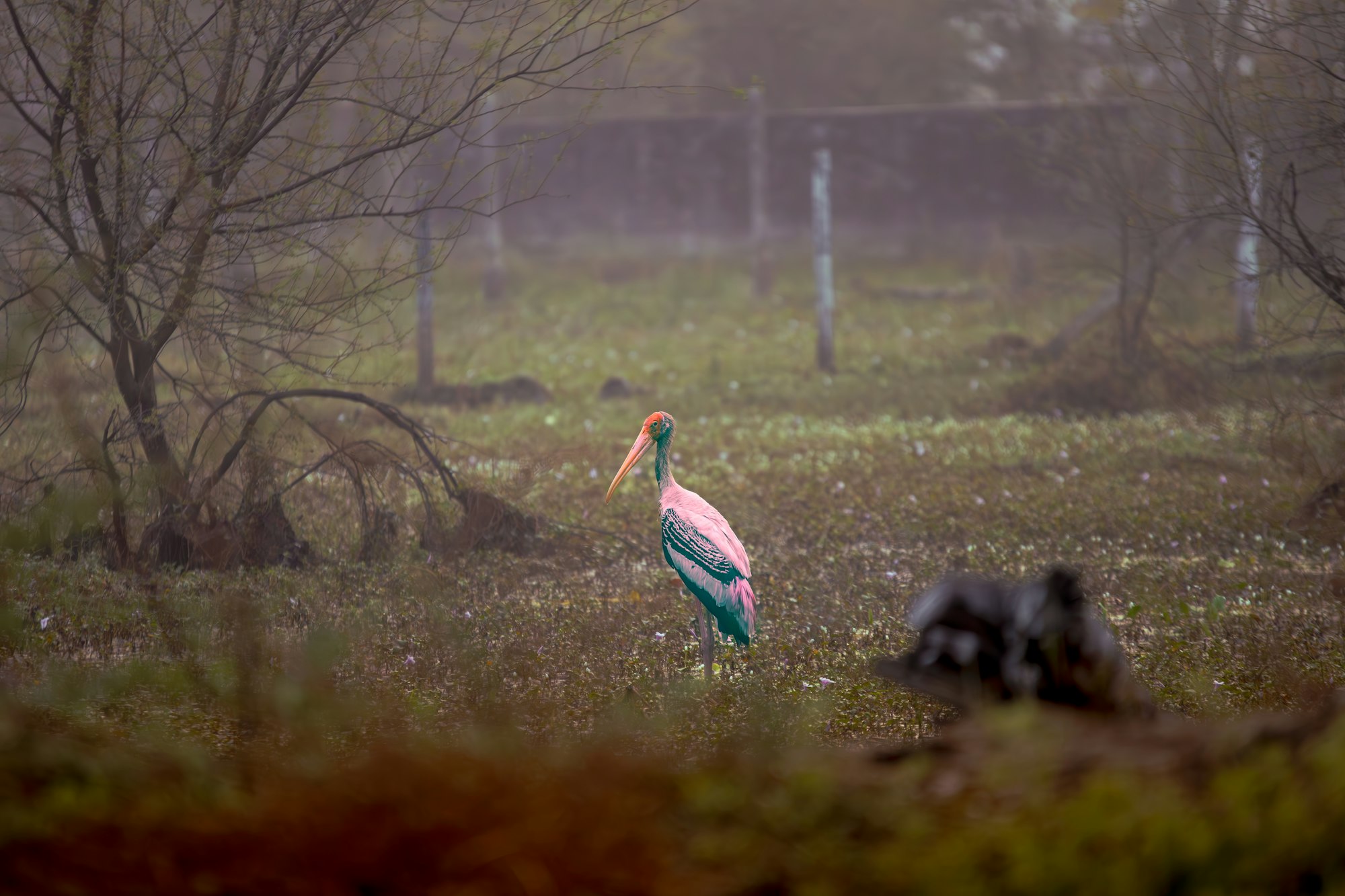
Photography: Gunjan Solanki via Unsplash (Unsplash License). A stock image, not the author’s own, and not taken at either wetland.
Opening hours, fees and seasonal closures change. Confirm with the Haryana Forest Department before you go.