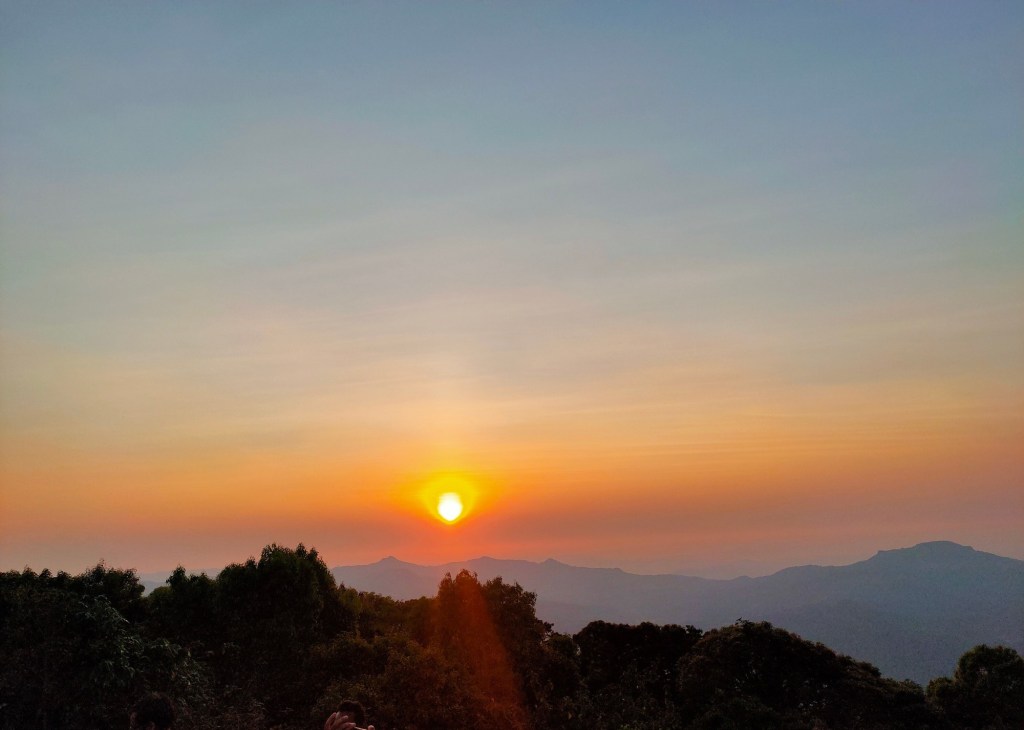
Mahabaleshwar is the hill station many Maharashtrians grew up with: strawberries, horse rides, crowded viewpoints and weekend traffic. It is all still there. But on the plateau’s edges, a slower place reveals itself, of misty forest, old stone temples at the source of a great river, and the fort where one of the most famous episodes of Maratha history took place.
A hill station with a long history
The town sits at about 1,353 metres in the Western Ghats, roughly 120 km south-west of Pune. The British acquired the hills in 1828, and by the mid-19th century Mahabaleshwar had become the summer capital of the Bombay Presidency. Its rainfall is extraordinary: the long-term average is more than five metres a year, most of it falling between June and September.
Old Mahabaleshwar
North of the town, Old Mahabaleshwar gathers a cluster of ancient temples. This is held to be the source of five rivers, including the Krishna, one of the great rivers of the Deccan, along with the Koyna, Venna, Savitri and Gayatri. Come early, before the tour groups, to see the stone shrines in quiet.
Pratapgad Fort
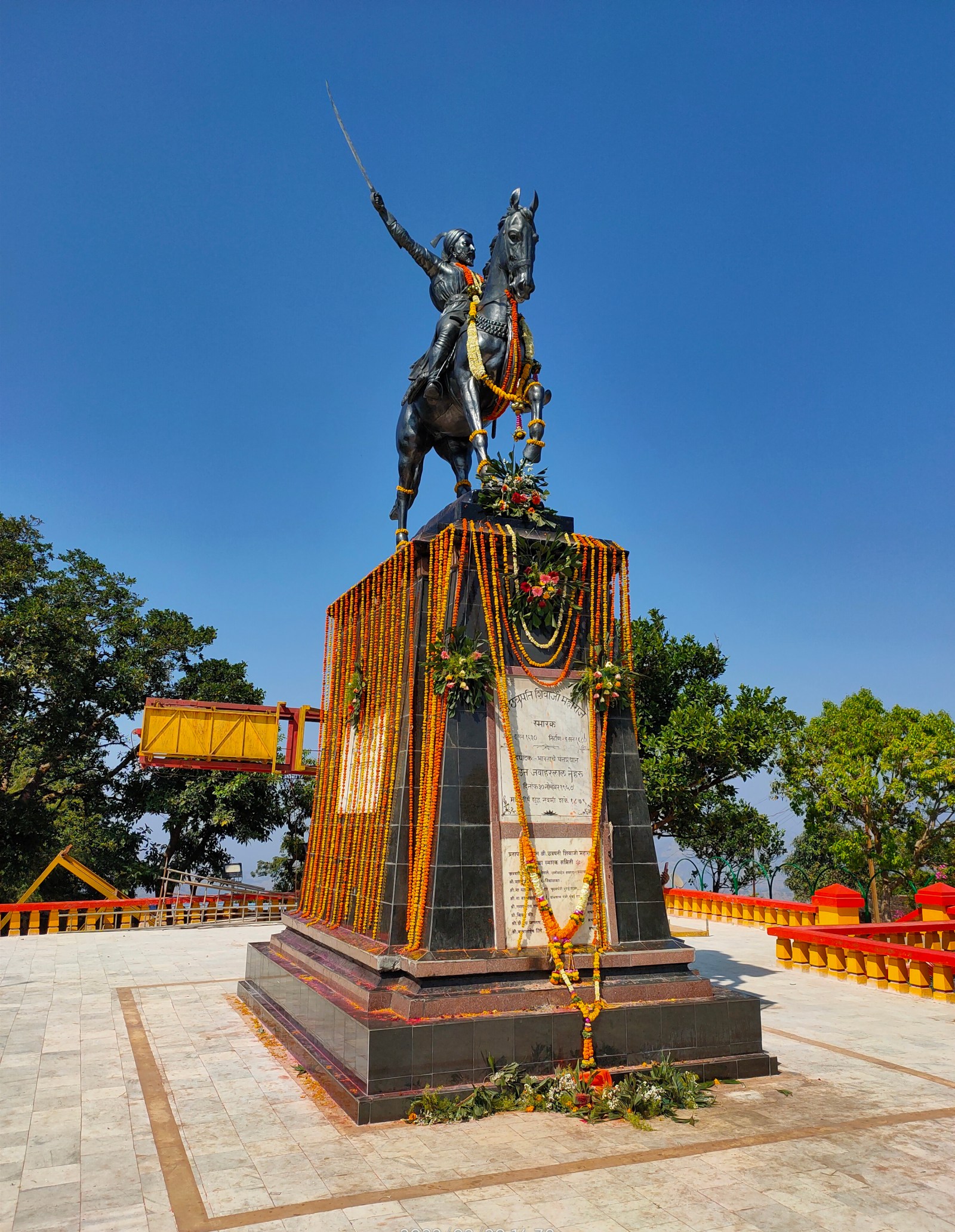
About 20 km west, along a winding ghat road, stands Pratapgad. Chhatrapati Shivaji Maharaj built the fort in the 1650s, and in 1659 it was the setting for his famous encounter with Afzal Khan, the Bijapur general, which ended in Afzal Khan’s death and a Maratha victory. A bronze equestrian statue of Shivaji stands within the fort, and on clear days the views stretch towards the Konkan.
Venna Lake and the viewpoints
Venna Lake, created in 1842, is the town’s social centre, with boating and snack stalls. Of the many viewpoints, Arthur’s Seat, Kate’s Point and Wilson Point (the highest, popular at sunrise) are the best known. Go early or late to see them at their best, and to beat the crowds.
Panchgani
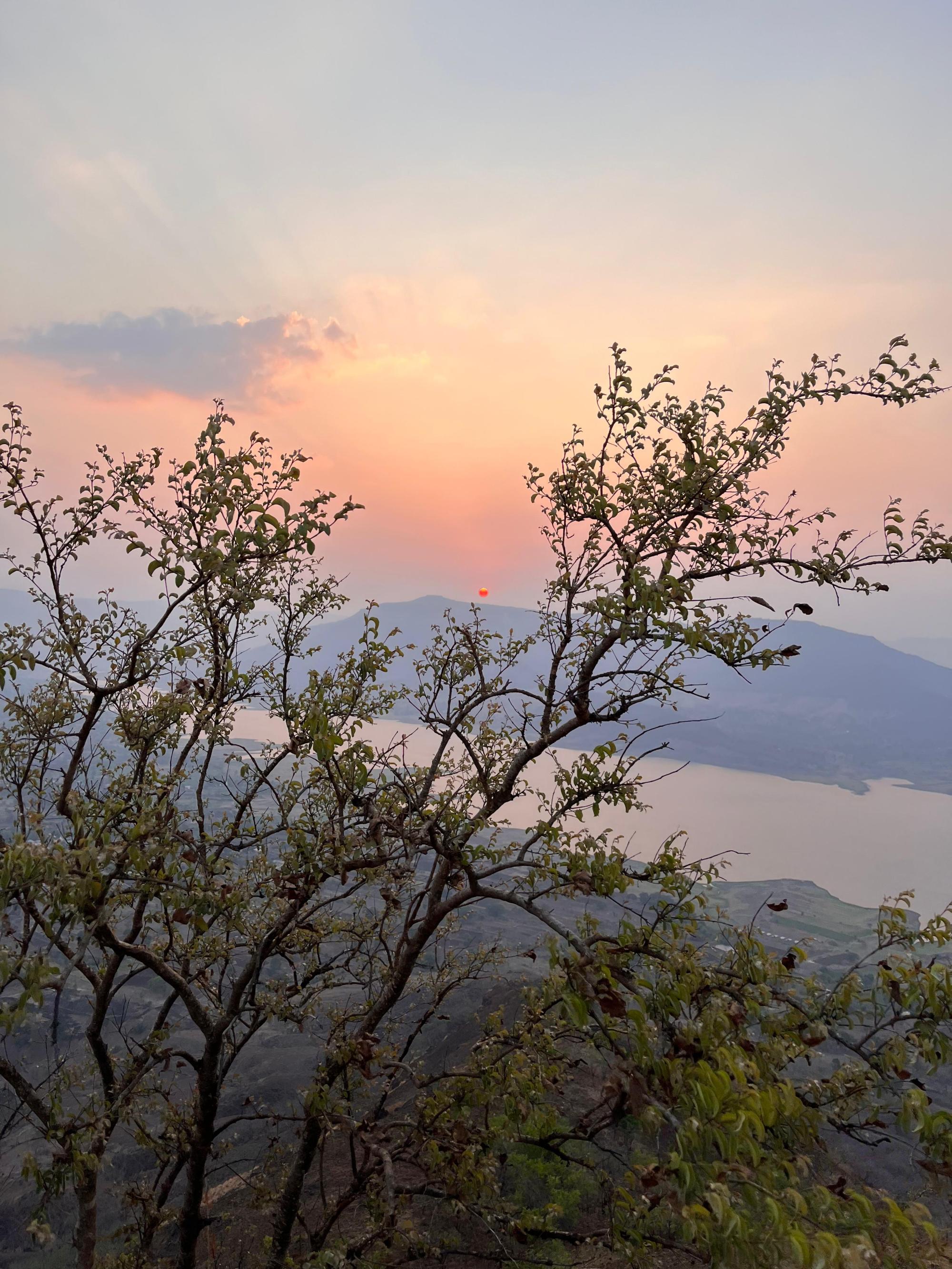
Twenty kilometres east, Panchgani is a smaller, quieter town of old boarding schools and Parsi bungalows. Its tablelands, flat laterite plateaus, overlook the Krishna valley, and the cliffs here are lovely at sunset.
Strawberries
Mahabaleshwar grows most of India’s strawberries; its strawberry received a Geographical Indication in 2010. In the cooler months, farms around the town sell fresh fruit, and every café serves strawberries and cream.

Kaas Plateau: the flowers of the monsoon
About 25 km from Satara, the Kaas Plateau is part of the Western Ghats UNESCO World Heritage Site. After the monsoon rains, usually from late August into early October, it is carpeted with wildflowers. Visits are ticketed and booked in advance through the official Kaas booking site in season; numbers are limited to protect the plateau, so book early and stay on the paths.
When to go
- October to March: clear, cool weather and the best views; strawberry season in the cooler months.
- April to May: warm but cooler than the plains, and busy with families.
- June to September: very heavy rain and thick mist. Some viewpoints and businesses close, and ghat roads can be affected by landslides, but the forest is magnificent.
A slow three-day plan
- Day one: arrive, walk around Venna Lake, and see the sunset from Panchgani’s tablelands.
- Day two: an early visit to Old Mahabaleshwar, then Pratapgad, with lunch on the way back.
- Day three: sunrise at Wilson Point; a strawberry farm in season; or, in late August to early October, a pre-booked morning at Kaas.
Getting there
Pune is the nearest airport and major railway station, and Satara is the nearest station on the plateau side. By road, Mahabaleshwar is about 120 km from Pune and 285 km from Mumbai. Hire a car or taxi for the forts and viewpoints.
Frequently asked questions
How many days do you need in Mahabaleshwar?
Two or three days is ideal, with time for Old Mahabaleshwar, Pratapgad, Panchgani and a sunrise viewpoint.
Is Mahabaleshwar worth visiting in the monsoon?
The forest is beautiful, but rain is extremely heavy and mist often hides the views. Some places close, and roads can be disrupted. Go if you want quiet and green, not views.
When is strawberry season in Mahabaleshwar?
Strawberries are grown through the cooler months; fresh fruit is easiest to find in winter and early spring.
Do you need to book Kaas Plateau in advance?
Yes. In the flowering season, visits are ticketed and numbers are capped, so book ahead through the official Kaas booking site.
Keep reading
- Lonavala and Khandala beyond the usual
- Into the Western Ghats: hill stations, forts and monsoon roads
- The Konkan coast: Alibaug to Malvan
- When to visit West India
For more of the state, see our Maharashtra guide.
Sources and image credits
Facts that can change were checked on 8 November 2026:
- Wikipedia: Mahabaleshwar (altitude, history, rainfall, GI)
- The Bridge Chronicle: Kaas Plateau visiting and booking
- UNESCO: Western Ghats
- Wikipedia: Battle of Pratapgarh
- IMD: normal monsoon dates (Satara)
Photography: Makarand Mane via the WordPress Photo Directory (CC0); Indira Biswas via the WordPress Photo Directory (CC0); Gaurav Singh via the WordPress Photo Directory (CC0). Stock images, not the author’s own.
Opening hours, booking systems and road conditions change, especially in the monsoon. Check locally before you set out.