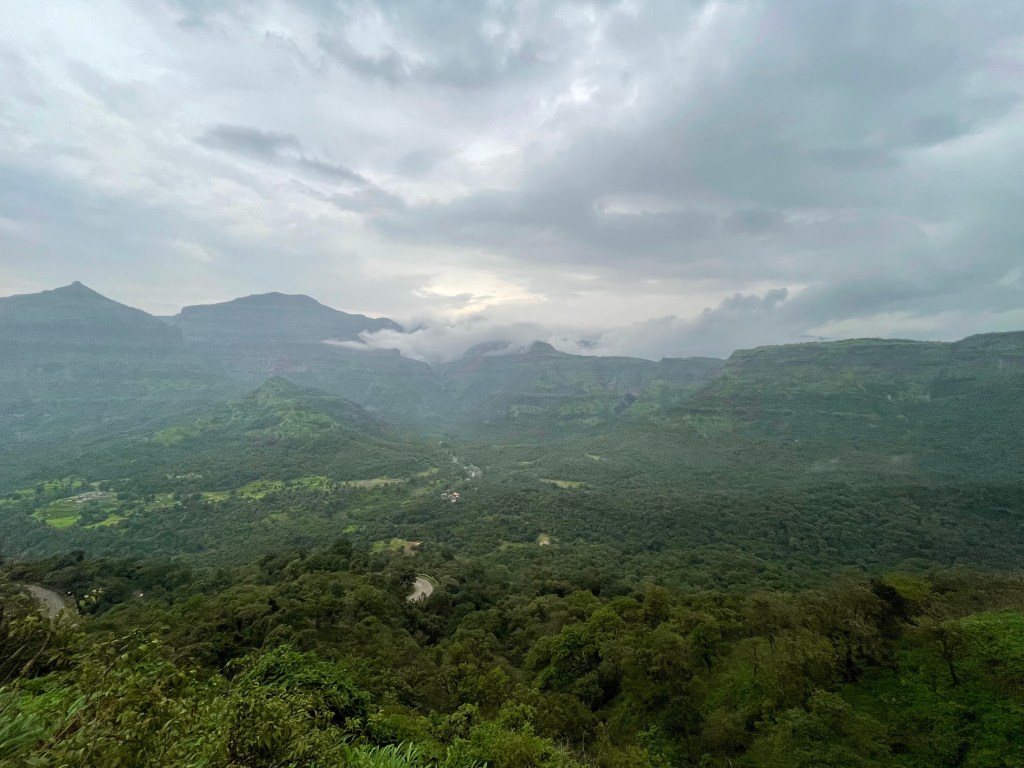
West India runs from the green, rain-soaked Konkan coast to the dry salt flats of Kutch, so the “best time to visit” depends on where you are going and what you want to do. One rhythm ties the region together: a long, wet southwest monsoon, followed by a cool, dry winter that most travellers aim for.
This guide sets out how the seasons play out across Goa, Maharashtra and Gujarat, what closes when, and which festivals are worth building a trip around.
The short answer
- November to February is the most comfortable time almost everywhere: dry, sunny and cooler, with the White Rann at its best and Goa’s beaches open for swimming.
- October and March are good shoulder months: warmer, but quieter and often better value.
- April and May are hot and humid on the coast and very hot inland, though the hills of Mahabaleshwar and Lonavala are cooler.
- June to September is the monsoon: the Western Ghats turn green and full of waterfalls, but seas are rough, some sites close and travel can be disrupted.
How the monsoon moves
The India Meteorological Department publishes “normal” dates for when the southwest monsoon usually arrives and withdraws. They are averages, and real dates vary from year to year, but they show the pattern: the rains reach the coast first and leave Gujarat first.
| Place | Normal monsoon onset | Normal withdrawal |
|---|---|---|
| Panaji (Goa) | 7 June | 14 October |
| Mumbai | 11 June | 8 October |
| Pune | 10 June | 11 October |
| Satara (for Mahabaleshwar) | 10 June | 9 October |
| Ahmedabad | 21 June | 30 September |
| Bhuj (Kutch) | 30 June | 26 September |
The coast and the Ghats take the heaviest rain. Mahabaleshwar’s long-term average is well over five metres a year, most of it between June and September, while Kutch is semi-arid and gets only a fraction of that.
Season by season
Winter (November to February)
Clear skies, low humidity and pleasant days make this peak season. Goa’s beaches and shacks are in full swing, Mumbai is at its most walkable, and Gujarat is ideal for heritage sightseeing, Gir safaris and the White Rann. Book flights and stays early for Christmas and New Year, when Goa is at its busiest.
Hot season (March to May)
Temperatures climb steadily. On the coast it is humid; inland Gujarat and the Deccan plateau can be fiercely hot by May. This is the time for early starts, long lunches and hill stations. It is also mango season on the Konkan coast, and cashew season in Goa.
Monsoon (June to September)
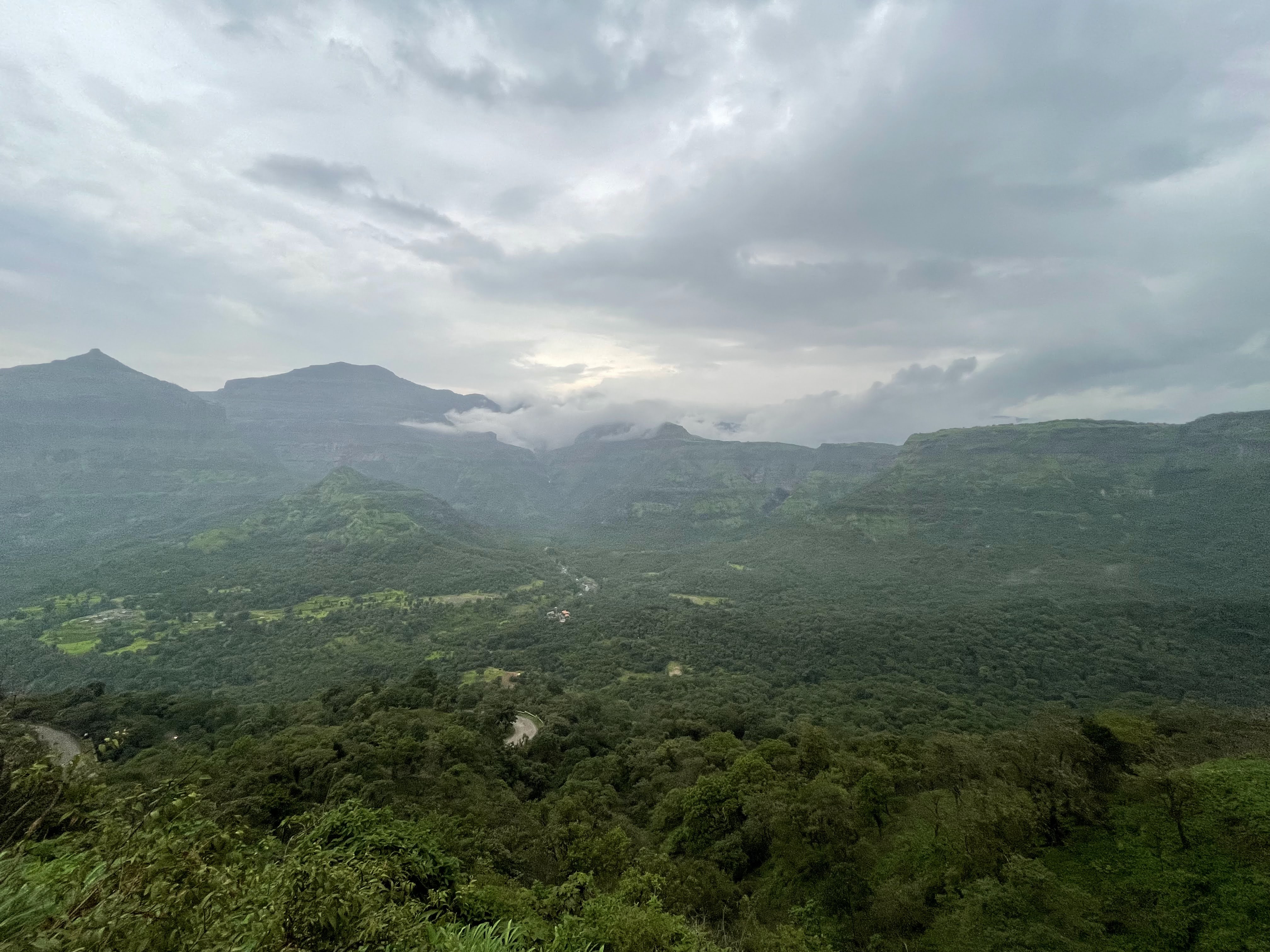
The monsoon is a season in its own right. The Western Ghats around Lonavala, Malshej and Mahabaleshwar become a landscape of mist and waterfalls, and Goa turns intensely green. But this is not beach weather: the sea is rough, swimming is strongly discouraged, and landslides and floods can close roads and railway lines.
Post-monsoon (October)
The rains ease, the land is at its greenest and the crowds have not yet arrived. In Gujarat the monsoon has usually withdrawn by October; Goa can still see showers in the first half of the month.
Closures and changes to plan around
- Gir National Park closes to safaris from 16 June to 15 October every year. See our Gir guide.
- Goa’s beaches: the state lifeguard agency advises visitors not to enter the sea during the monsoon, usually from June to September.
- Sea forts: regular boats to Sindhudurg from Malvan stop during the monsoon, and boats to Murud-Janjira depend on tides and weather. See our Konkan coast guide.
- Mumbai–Mandwa boats: passenger boats from the Gateway of India to Mandwa (for Alibaug) typically stop from late May to the end of August.
- Konkan Railway runs to a slower monsoon timetable; in 2026 it applied from 15 June to 20 October.
- Lonavala and the Maval area: the Pune district administration has issued monsoon orders restricting access to waterfalls, cliffs and dams. See our Lonavala guide.
Festivals worth timing a trip for
Many festivals follow the lunar calendar, so their dates move each year. Check the current year’s dates before you book.
- Uttarayan (14 January, Makar Sankranti): Gujarat’s kite festival fills the skies over Ahmedabad and other cities.
- Modhera Dance Festival (usually the third week of January): classical dance at the Sun Temple. See our Modhera guide.
- Goa Carnival (February or March, before Lent) and Shigmo (spring): parades and floats in Goa’s towns.
- Ganesh Chaturthi (August or September): Maharashtra’s biggest festival, celebrated in homes and public pandals across Mumbai and Pune, and widely in Goa.
- Navratri (September or October): nine nights of garba and dandiya, at their most spectacular in Gujarat.
- Diwali (October or November): celebrated across the region.
- Rann Utsav: the tented festival season on the White Rann of Kutch usually runs through the winter months. See our Kutch guide.
Which month for which trip?
| Trip | Best months | Avoid or plan carefully |
|---|---|---|
| Goa beaches | November to February | June to September |
| Mumbai city break | November to February | Peak monsoon (July) |
| Western Ghats hill stations | October to February; June to September for the monsoon | April to May for heat on the drive up |
| Konkan coast | November to March | June to September |
| Gujarat heritage | November to February | April to June |
| Gir safari | December to April | Closed 16 June to 15 October |
| White Rann of Kutch | November to February | Monsoon (salt flats flood) |
Frequently asked questions
What is the best month to visit West India?
For most trips, December or January: dry, sunny and comfortably cool across Goa, Maharashtra and Gujarat. November and February are almost as good and a little quieter.
Is it worth visiting Goa or Maharashtra in the monsoon?
Yes, if you want green landscapes, waterfalls and quiet, rather than beaches. Expect heavy rain, rough seas, some closures and travel delays, and avoid swimming in the sea or in fast-flowing water.
When does the monsoon start in Mumbai and Goa?
The IMD’s normal onset dates are 7 June for Panaji and 11 June for Mumbai, with withdrawal around 8 to 14 October. Real dates vary every year.
When is Gir National Park closed?
Safaris in Gir National Park stop from 16 June to 15 October each year for the monsoon.
Keep reading
- Getting around West India: flights, trains, roads and ferries
- How to plan a West India trip
- West India itineraries: four routes
- Kutch and the White Rann
Ready to plan? Start with the West India collection, or choose a state: Goa, Maharashtra or Gujarat.
Sources and image credits
Facts that can change were checked on 8 November 2026:
- IMD: new normal dates of monsoon onset and withdrawal
- Gir: official permit booking site, closure dates
- Konkan Railway: monsoon preparedness 2026
- Herald Goa: lifeguard advisory against entering the sea till September
- Mumbai Live: Gateway–Mandwa boat suspension
- Outlook Traveller: Maharashtra’s sea forts
- Outlook Traveller: Lonavala monsoon restrictions
- Wikipedia: Mahabaleshwar (climate data)
- Wikipedia: Sun Temple, Modhera (dance festival)
Photography: Krupa Nanda via the WordPress Photo Directory (CC0). Stock images, not the author’s own.
Weather, closures and festival dates change from year to year. Check official sources close to your travel dates.