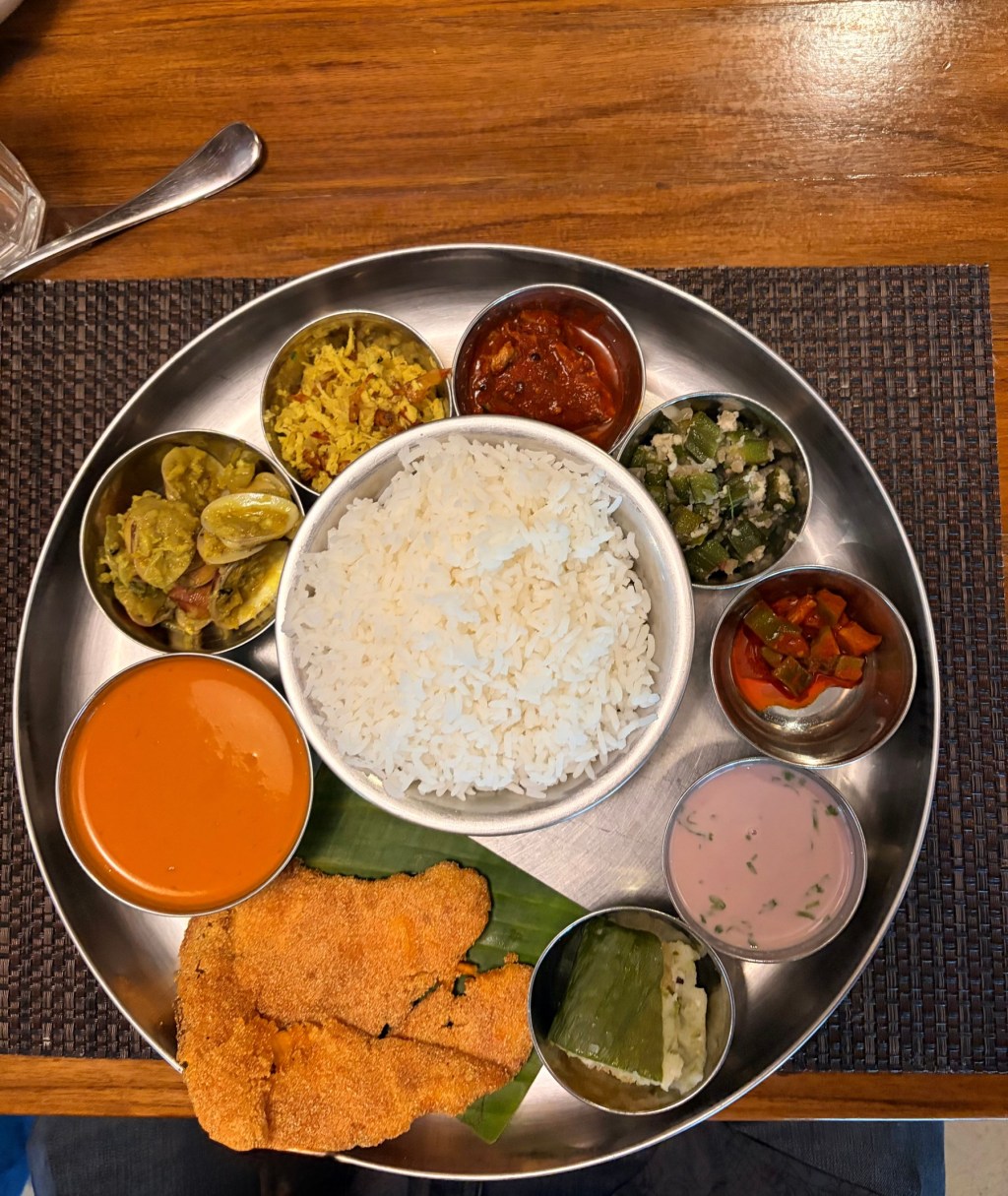
Few parts of India pack in as much variety as the west coast and its hinterland. Within a day’s travel you can move from coconut-rich Goan curries to the fiery seafood of the Konkan, the street snacks of Mumbai and the sweet-savoury balance of a Gujarati thali. This guide is about the dishes themselves: what they are, where they come from and when to look for them.
Goa
Goan food draws on Konkani traditions and on more than four centuries of Portuguese influence. Coconut, kokum, local vinegar and red chillies run through it.
- Fish curry and rice: the everyday meal, usually a coconut-based curry soured with kokum or tamarind, often served as a thali with fried fish.
- Xacuti and cafreal: xacuti is a complex curry of roasted coconut and spices; cafreal is a green, herb-heavy chicken dish.
- Vindaloo: the Goan original is a tangy pork dish built on vinegar and garlic.
- Poi and pao: Goa’s bakeries still make fresh bread every morning.
- Bebinca: a layered coconut-milk and egg dessert, often made for Christmas.
- Feni: Goa’s cashew feni has had a Geographical Indication since 2009. The cashew season, roughly March to May, is when it is distilled.
The Konkan coast
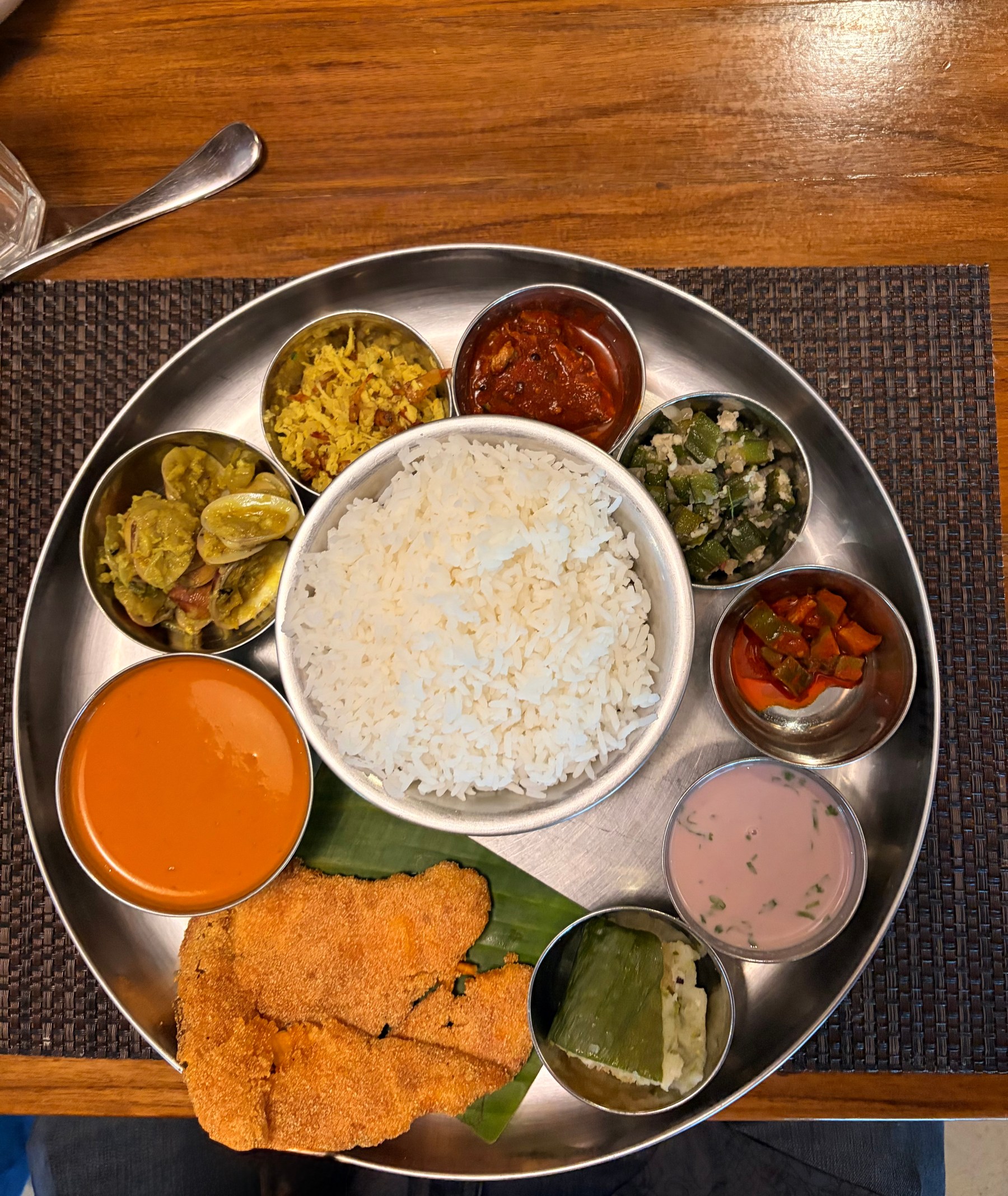
The coastal districts of Maharashtra, from Raigad to Sindhudurg, share Goa’s love of coconut and seafood but have their own style. Malvani food, from the far south, is known for its heat.
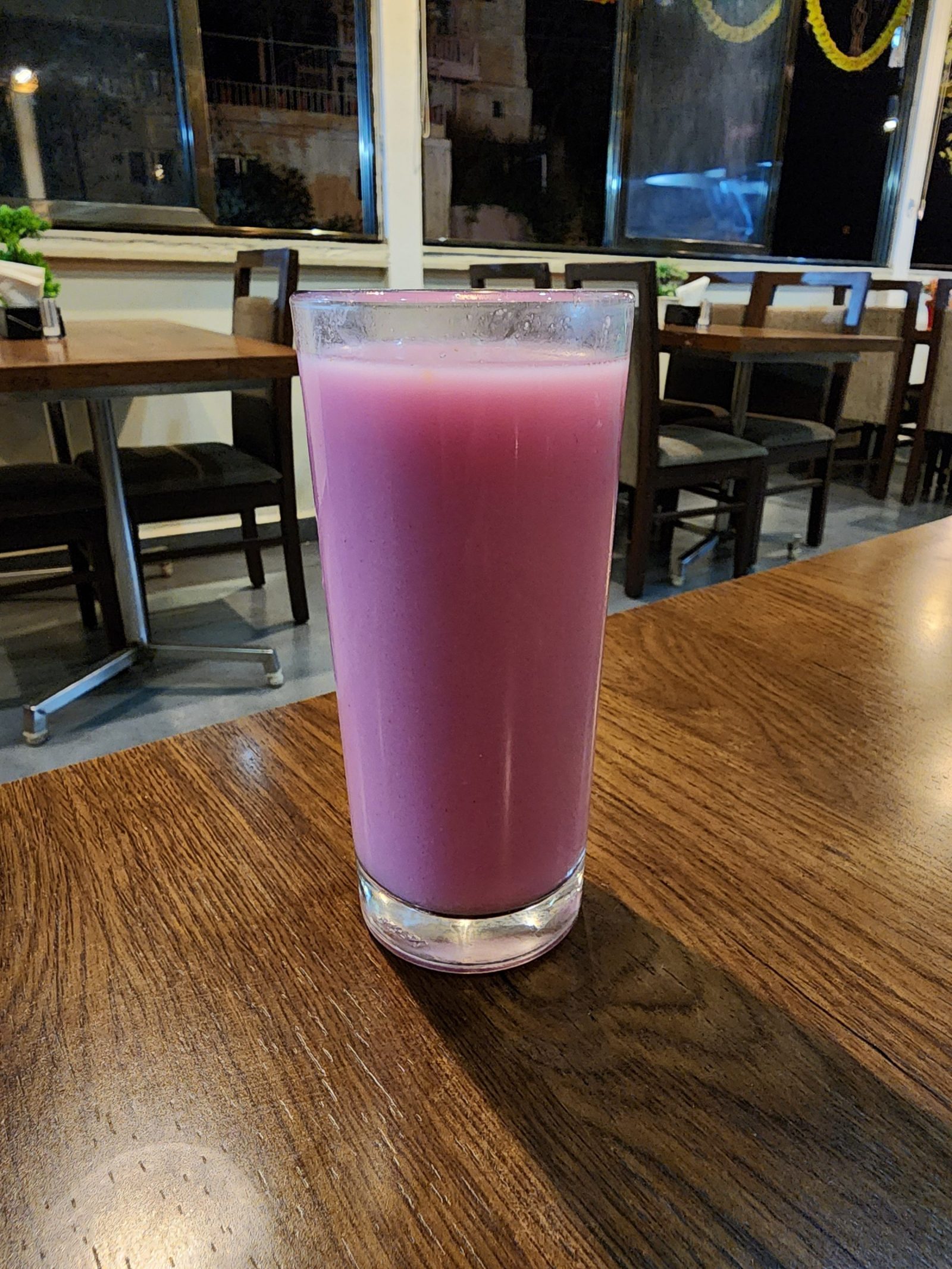
- Sol kadhi: a pink drink of kokum and coconut milk, served with or after a meal and said to cool the palate.
- Fish thalis: pomfret, surmai (kingfish), prawns and bombil (Bombay duck), fried or in curry.
- Kombdi vade: a Malvani chicken curry served with fried, puffy bread made from rice and pulses.
- Alphonso mangoes (hapus): in season in late spring. Alphonso from five Konkan districts, including Ratnagiri and Sindhudurg, received a Geographical Indication in 2018.
Mumbai and Maharashtra
Mumbai’s food is shaped by the migrants who built the city. Much of its best eating is fast, cheap and on the street.
- Vada pav: a spiced potato fritter in a soft bun with chutneys, the city’s favourite snack.
- Pav bhaji: a buttery vegetable mash with toasted buns.
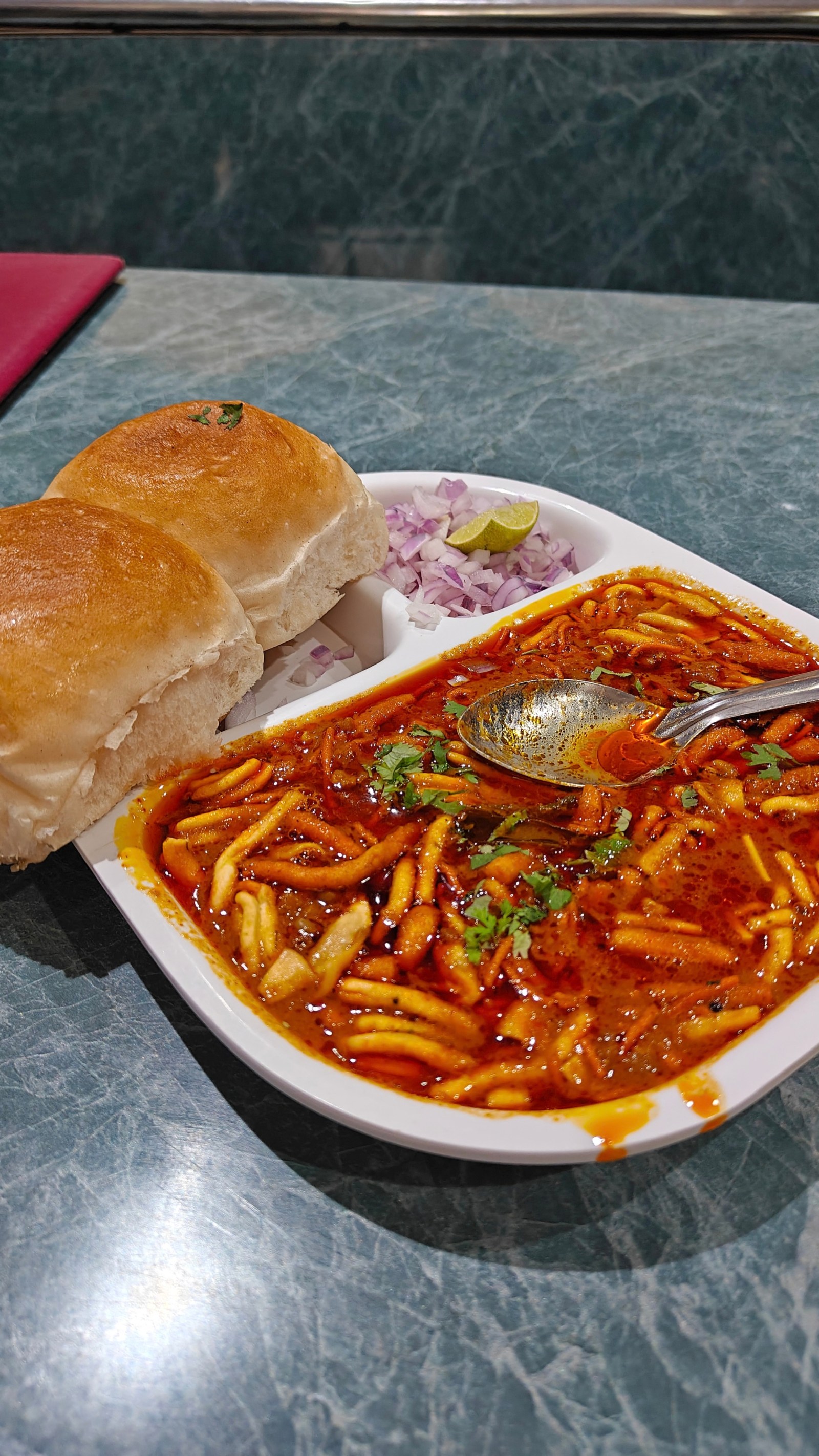
- Misal pav: a spicy sprouted-bean curry topped with farsan, served with pav. Pune, Nashik and Kolhapur each have their own style.
- Irani cafés: old-fashioned cafés serving bun maska, chai and Parsi-influenced dishes. Fewer remain each year.
- Puran poli and modak: festival sweets. Modak, a steamed rice dumpling filled with coconut and jaggery, is made for Ganesh Chaturthi.
- Strawberries: Mahabaleshwar’s strawberries, with a GI since 2010, are sold with cream in the hill town in season. See our Mahabaleshwar guide.
Gujarat
Gujarati food is largely vegetarian, and many dishes balance sweet, sour and spice. The cooking changes from region to region: Kathiyawadi food from Saurashtra is spicier and uses more millet, while Kutch has its own dishes.
- The Gujarati thali: a round platter of dals, kadhi, vegetables, breads, rice, pickles and sweets. Many thali restaurants keep refilling it until you stop them.
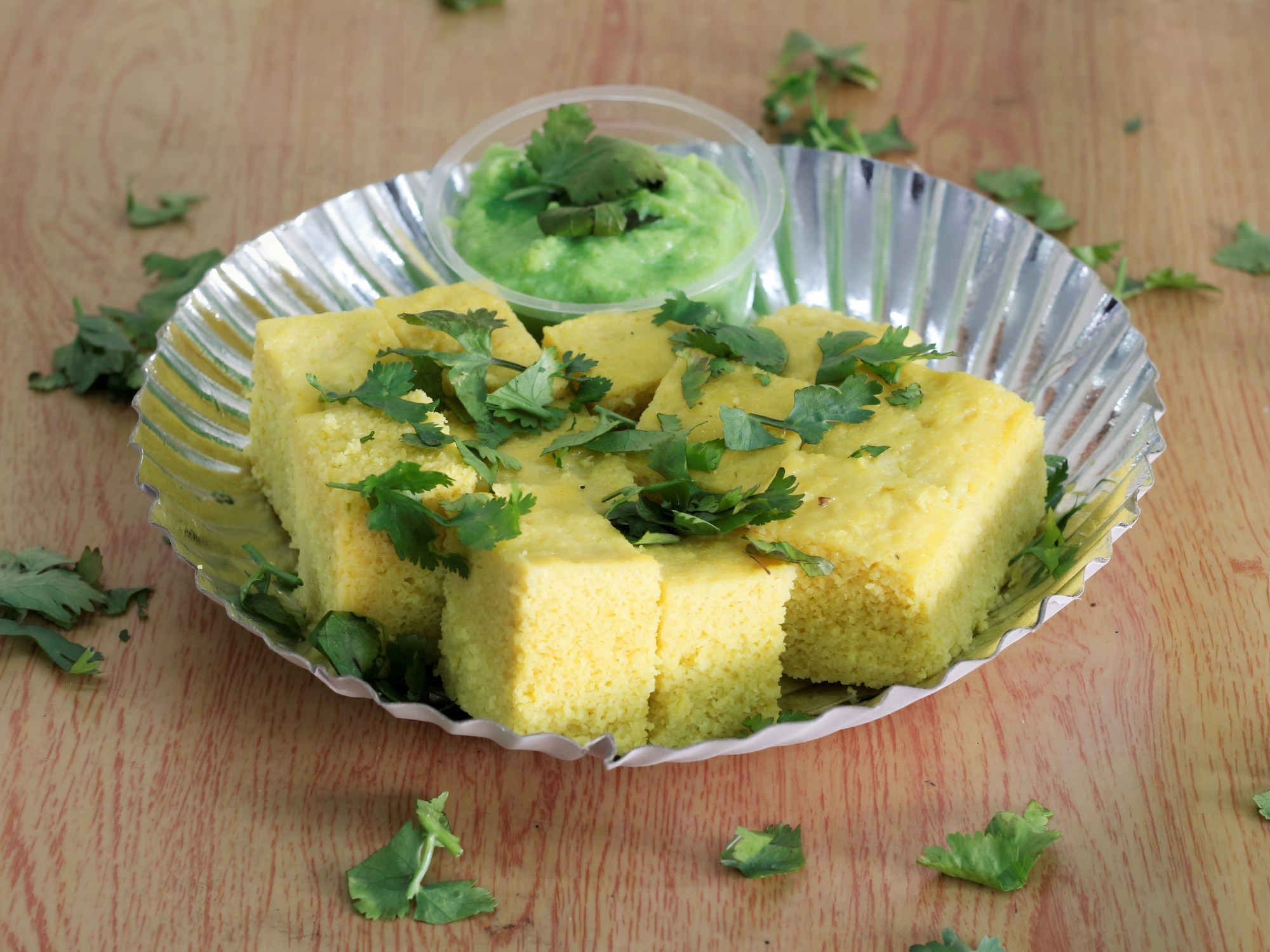
- Dhokla and khandvi: steamed and rolled gram-flour snacks.
- Thepla: spiced flatbreads, the classic travel food.
- Undhiyu: a winter dish of mixed vegetables slow-cooked with spices, eaten especially around Uttarayan in January.
- Dabeli: a Kutchi street snack of spiced potato in a bun.
Gujarat has prohibition. Visitors from outside the state can apply for temporary liquor permits under rules that change from time to time, so check the current position before you travel.
Eating well on the road
- Eat where it is busy: high turnover means fresh food.
- In Goa and the Konkan, ask what fish came in that day; the menu often depends on the catch.
- Monsoon is fishing-ban season along the west coast, so some fresh seafood is scarcer from June to July.
- Vegetarian food is widely available everywhere, and in Gujarat it is the norm.
- Drink bottled or filtered water, and go easy on the chilli at first.
Frequently asked questions
What food is West India famous for?
Goan fish curry, xacuti and bebinca; Konkan seafood and sol kadhi; Mumbai’s vada pav, pav bhaji and misal; and the Gujarati thali, dhokla and undhiyu.
Is Gujarati food always vegetarian?
Most Gujarati food is vegetarian, and many restaurants serve no meat at all, though non-vegetarian food is available in the cities and on the coast.
When is Alphonso mango season?
Usually from late spring into early summer, roughly April to May, though it varies with the weather each year.
Is alcohol available in Gujarat?
Gujarat has prohibition. Visitors from outside the state can apply for temporary permits; check the current rules before you travel.
Keep reading
- A first few days in Mumbai: heritage, the sea and the food
- The quiet charm of Goa
- The Konkan coast: Alibaug to Malvan
- Ahmedabad and its stepwells
Planning where to eat on your route? Start with the West India collection.
Sources and image credits
Facts that can change were checked on 8 November 2026:
- Wikipedia: Goan cuisine
- Wikipedia: Malvani cuisine
- Wikipedia: Gujarati cuisine
- GKToday: Alphonso mango from five districts gets GI tag
- Gomantak Times: cashew and feni season in Goa
- Wikipedia: Mahabaleshwar (strawberry GI)
Photography: Swetha B Chandran via the WordPress Photo Directory (CC0); Amit Kumar Singh via the WordPress Photo Directory (CC0); Hemant Kumar Chhapoliya via the WordPress Photo Directory (CC0); Shitalben Parmar via the WordPress Photo Directory (CC0). Stock images, not the author’s own.
We describe dishes, not specific restaurants. Menus, seasons and local rules change.