West India is one of the easiest parts of the country to travel through. Mumbai is a major air and rail hub, a scenic railway runs down the coast to Goa, and Gujarat has good roads and frequent trains. The main thing to plan around is distance: Kutch to Goa is a long way, so choose a base region rather than trying to see everything.
Arriving by air
- Mumbai: Chhatrapati Shivaji Maharaj International Airport is the region’s main gateway. Navi Mumbai International Airport, across the harbour, began commercial flights on 25 December 2025.
- Goa has two airports: Manohar International Airport at Mopa in the north, and Dabolim, closer to Vasco da Gama and South Goa. Check which one your flight uses, as they are far apart.
- Gujarat: Ahmedabad is the main airport. For Kutch fly to Bhuj, and for Gir, Keshod is the nearest airport, with Rajkot and Diu as alternatives.
- Pune serves the Western Ghats hill stations, and Aurangabad (Chhatrapati Sambhajinagar) is the airport for Ajanta and Ellora.
Trains
Indian Railways is often the most comfortable way to cover long distances. Book through IRCTC, and book early for weekends and holidays.
- The Konkan Railway runs south from near Mumbai along the coast to Goa and on to Karnataka, through tunnels and across tall bridges. It is the classic way to travel between Mumbai and Goa, with stations such as Ratnagiri, Kudal (for Malvan) and Madgaon. In the monsoon it runs to a slower timetable; in 2026 that was from 15 June to 20 October.
- Mumbai to Gujarat: frequent trains link Mumbai with Surat, Vadodara and Ahmedabad.
- Mumbai to Pune: many daily trains climb the ghats, stopping at Lonavala.
- Locals: Mumbai’s suburban trains are the fastest way around the city outside rush hour, and Pune’s suburban line runs to Lonavala.
By road
Hiring a car with a driver is common and makes sense for hill stations, the Konkan coast and Gujarat’s heritage circuits. Self-drive rentals are available in the cities and in Goa.
- Mumbai–Pune Expressway: the main road up the ghats to Lonavala and Pune.
- Mumbai–Goa: the coastal highway is slow in places and sections have been under widening for years. The train is usually more relaxing.
- Gujarat has generally good highways. Ahmedabad to Bhuj or to Sasan Gir is a full day’s drive.
- State buses: MSRTC in Maharashtra, GSRTC in Gujarat and Kadamba in Goa run extensive networks, from basic to air-conditioned sleeper services.
- In the monsoon, ghat roads can be affected by landslides and fog; avoid driving at night in heavy rain.
Ferries and boats
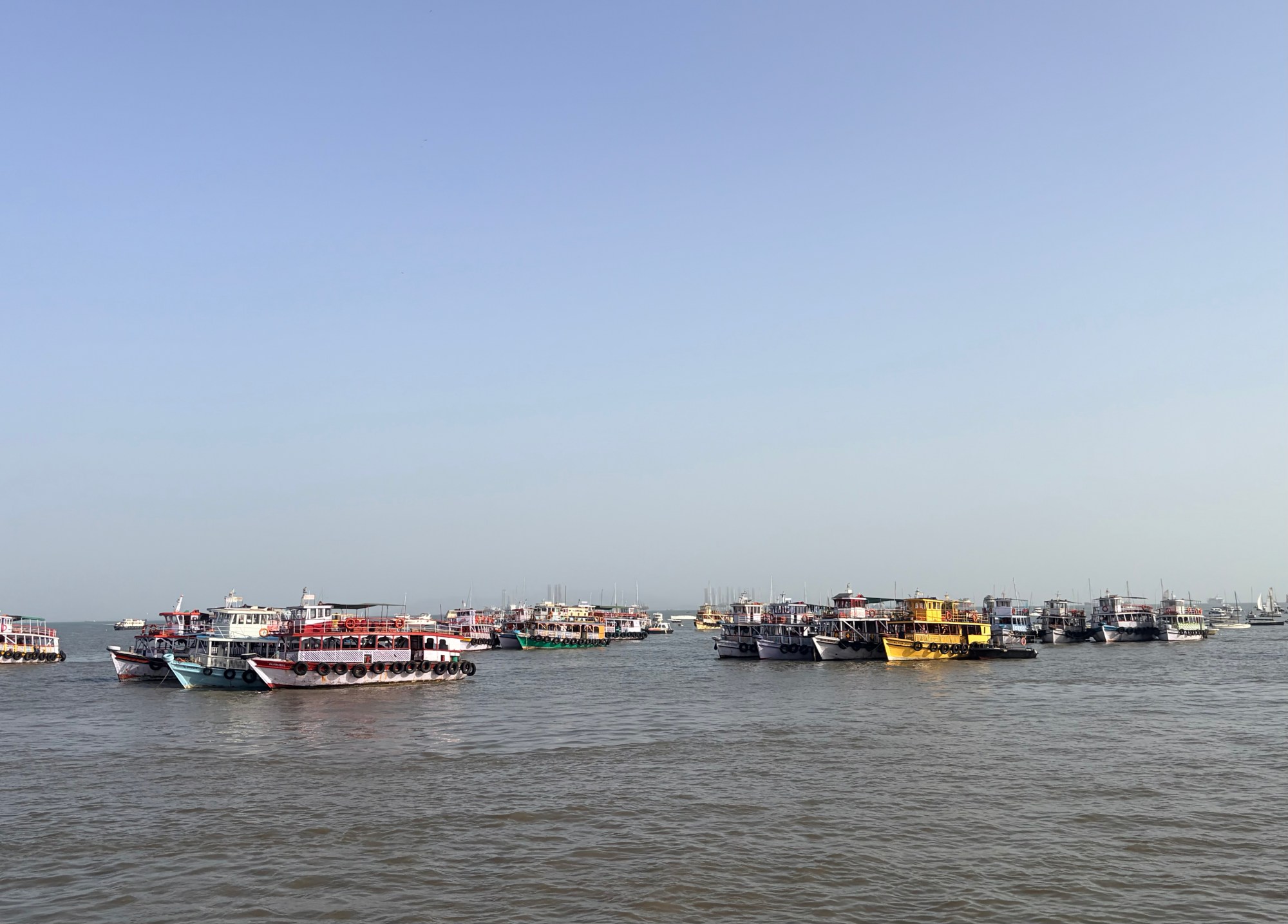
- Mumbai to Alibaug: passenger boats run from the Gateway of India to Mandwa, and a roll-on/roll-off ferry carries vehicles from Bhaucha Dhakka. The Gateway boats typically stop from late May to the end of August; the Ro-Ro continues, weather permitting.
- Elephanta Caves: boats leave from the Gateway of India.
- Goa’s river ferries link the mainland with islands such as Divar and Chorao, and carry foot passengers, two-wheelers and cars. See our slow Goa guide.
- Sea forts: Murud-Janjira is reached by sailboat from Rajapuri, and Sindhudurg by boat from Malvan, outside the monsoon.
Getting around Mumbai
Combine the suburban trains, the expanding metro, black-and-yellow taxis, autorickshaws (in the suburbs only, not in South Mumbai) and app-based cabs. Avoid trains at rush hour if you have luggage. See our first visit to Mumbai for where to go.
Getting around Goa
Public transport in Goa is limited outside the main towns, and app-based cabs are less available than in Mumbai. Most visitors hire a car with a driver, use taxis booked through their stay, or rent a scooter or car from a licensed operator. Wear a helmet, carry your licence and do not drink and drive.
Sample travel times
| Route | Flight | Train or road (indicative) |
|---|---|---|
| Mumbai to Goa | About 1 hour | Roughly 8 to 12 hours on the Konkan Railway |
| Mumbai to Ahmedabad | About 1 hour | Roughly 5½ to 9 hours by train |
| Mumbai to Lonavala | — | About 2 to 3 hours by train or road |
| Ahmedabad to Bhuj | About 1 hour | Roughly 6 to 8 hours by road or train |
| Ahmedabad to Sasan Gir | — | A full day by road, or train via Junagadh |
Times are indicative and vary with the service and traffic; check current timetables.
Frequently asked questions
What is the best way to travel from Mumbai to Goa?
The Konkan Railway is the most scenic and relaxed option, while flying is fastest. Driving is possible but slow in places.
Which Goa airport should I fly into?
Mopa (Manohar International Airport) is better for North Goa, and Dabolim for South Goa and Vasco. Check which airport your flight uses.
Is it easy to travel around Gujarat?
Yes. Ahmedabad is well connected by air and rail, highways are generally good, and hiring a car with a driver works well for heritage circuits, Kutch and Gir.
Do trains run in the monsoon?
Yes, but the Konkan Railway runs to a slower monsoon timetable and services across the region can be delayed by heavy rain.
Keep reading
- When to visit West India
- How to plan a West India trip
- West India itineraries: four routes
- The Konkan coast: Alibaug to Malvan
Choose your base next: Goa, Maharashtra or Gujarat, or browse the full West India collection.
Sources and image credits
Facts that can change were checked on 8 November 2026:
- Business Today: Navi Mumbai International Airport starts operations
- Konkan Railway: monsoon preparedness 2026
- Mumbai Live: Gateway–Mandwa boat suspension
- Outlook Traveller: Maharashtra’s sea forts
- Gir official site: how to reach Sasan Gir
- Incredible India: Dr Salim Ali Bird Sanctuary (ferry from Ribandar)
Photography: Swetha B Chandran via the WordPress Photo Directory (CC0). Stock images, not the author’s own.
Schedules, routes and fares change. Check current timetables with the operator before you travel.